
Contents

Key Takeaways
- In California, non-medical home care typically focuses on help with daily routines, supervision, companionship, and household support so many seniors can live more safely at home.
- The right services can help support safer routines, nutrition support (like meal prep and hydration reminders), memory-friendly structure at home, and respite for family caregivers.
- Medication support in non-medical home care generally means reminders and, in some cases, assistance with medication a client self-administers. It does not replace nursing care or clinical medication management.
- Social connection and transportation can help support engagement, independence, and follow-through with appointments and routines.
- A strong agency helps families plan, communicate, and adjust care as needs change.
Understanding Home Care Services and How They Enhance the Lives of Seniors
In-Home Support for Seniors in Greater Los Angeles, Dementia Care, and Family Guidance
If you’re trying to figure out what “home care” actually means, you’re not alone. Families in Greater Los Angeles often hear the term during a hospital discharge, after a concerning fall, or when memory changes start affecting daily life. Suddenly you’re comparing options, trying to keep your loved one safe, and wondering what support looks like without turning the home into a medical setting.
In California, when many families say “home care,” they mean non-medical, in-home support. This is often the missing middle. It can help older adults stay at home with practical support that reinforces routines, safety, dignity, and relationships.
Talk With CARE Homecare About a Practical Care Plan
If you’d like help mapping out what support makes sense for your situation in Los Angeles or Orange County, CARE Homecare can walk you through options and scheduling. You can reach the team through the Contact Us page to talk through a practical plan.

What Home Care Is and Who It Helps
Home care refers to non-medical services provided in someone’s home to support daily life. The goal is simple: help older adults live safely and comfortably in familiar surroundings while preserving independence as much as possible.
Home care is different from home health care, which involves skilled medical services that are typically ordered by a physician or other authorized provider and delivered by licensed clinicians. If you’re sorting that out right now, this comparison of home care vs home health care makes the distinction easier to understand.
For a deeper foundation, start with what home care is and then review what home care providers do to see how the work fits into a real day.

The Home Care Services That Make the Biggest Difference for Seniors
Not every family needs everything at once. Care plans often start with the areas most connected to daily safety and functioning, then build from there.
Help with ADLs and IADLs
A lot of “care stress” comes from the daily tasks that never stop. Home care often supports ADLs (activities of daily living) and IADLs (instrumental activities of daily living). This can include bathing, dressing, toileting, grooming, mobility support, meal prep, light housekeeping, laundry, and errands. If you want to see what counts and why it matters, ADLs and IADLs explained is a helpful guide for families.
Meal planning and preparation
Nutrition needs often change with age. Appetite can dip, chewing can become difficult, and chronic conditions may come with dietary guidelines. Home care support with meals can mean planning simple options, prepping food, encouraging hydration, and keeping the kitchen safe and organized. CARE Homecare offers support for meal planning and preparation that can be tailored to preferences and routines.
Exercise and strengthening support at home
Movement is commonly included in routines that support mobility and fall-risk reduction. In non-medical home care, activity support should stay within safe, non-clinical boundaries. That often looks like encouraging walking or light movement that the person has already been cleared to do, supporting consistency, and reinforcing safer routines. If a person needs physical therapy or a clinical exercise plan, that falls under licensed medical care. CARE Homecare provides exercise and strengthening support focused on safe daily movement and confidence within appropriate limits.
Many families notice that when an older adult is isolated, day-to-day participation can drop. Companionship is not only conversation. It can add structure, routine, and emotional steadiness to the week. CARE Homecare’s social engagement and companionship services support connection through conversation, hobbies, walks, outings, and daily routines.
Transportation assistance
When driving becomes unsafe or stressful, life can shrink quickly. Reliable transportation helps seniors get to appointments, pick up prescriptions, shop for essentials, and stay engaged with friends and community. CARE Homecare offers transportation assistance that supports both independence and safety.

Alzheimer’s and Dementia Home Care Support
Caring for someone with Alzheimer’s or dementia can be demanding, especially as symptoms and daily functioning can change over time. Familiar tasks can become confusing. Sleep patterns may shift. Anxiety and agitation can increase, and some people experience a pattern of late-day confusion or restlessness.
Home care can help by supporting steadier routines, safety oversight, and caregiver approaches that may reduce friction and distress. Support often focuses on:
- Predictable routines for mornings, meals, and bedtime
- Clear cues in the environment (lighting, labels, simplified spaces)
- Calm communication strategies that reduce power struggles
- Engagement that matches the person’s current abilities
If dementia is part of your family’s situation, CARE Homecare provides Alzheimer’s and dementia care designed for real home environments. You may also find this helpful: why dementia patients thrive with in-home memory care.

Medication Assistance and What It Usually Means in Home Care
Medication can be a daily stressor for families, especially after a hospital stay or when multiple prescriptions are involved.
In California non-medical home care, medication support commonly means reminders and, where allowed within the caregiver’s role and the care plan, assisting with medication that the client self-administers. California law includes “assisting with medication that the client self-administers” within the definition of home care services.
It also makes an important boundary clear: this does not authorize assistance that would otherwise require administration or oversight by a licensed health care professional. In plain terms, a caregiver can support the routine and the follow-through, but the caregiver cannot cross into clinical medication administration, dosing decisions, or medical judgment.
CARE Homecare offers medication reminders and assistance as part of a broader routine and safety plan.
If medication changes happened after a discharge, pair reminders with a written routine during the transition period. Families often benefit from reading discharge instructions explained so nothing important gets missed at home.

How Home Care Enhances Quality of Life for Seniors and Families
Home care is not only about tasks. It’s also about stability.
When routines are supported, many families find day-to-day life becomes more predictable. Support with meals and fluids can help families maintain more consistent routines. Companionship and scheduled outings can help reduce isolation and support engagement. When transportation is handled safely, seniors can stay connected to life outside the home.
For families, home care can reduce the day-to-day pressure of being the only safety net. It can also support healthier relationships because time together becomes more about connection and less about crisis management. If you’re weighing the “why,” this overview of home care benefits is a helpful next read.

How to Choose the Right Home Care Services
A good care plan starts with clarity, not assumptions. Before selecting services, it helps to answer a few practical questions:
- Which moments feel most unsafe right now (bathing, stairs, nights, wandering, cooking)
- Which tasks are draining the family caregiver the most
- What schedule would make life feel manageable (a few mornings per week, evenings, weekends, overnight support)
Then ask agencies how they handle caregiver matching, communication, and ongoing plan updates. In California, it can also be appropriate to ask whether the organization is licensed through CDSS and how they verify caregiver registration and background checks within the state system. This guide on how to choose a home care agency walks families through the questions that matter most.

When Home Care Might Not Be Enough
Sometimes needs change faster than a home plan can safely support. Consider reassessing if you notice frequent falls, unsafe wandering, major behavior changes, repeated hospitalizations, or caregiving becoming unsustainable for the family.
In those moments, the goal is not to do more. The goal is to do what’s safe and stable. Sometimes that means increasing in-home hours. Sometimes it means adding home health for skilled needs. Sometimes it means exploring other levels of care. A respectful reassessment can protect everyone involved.
CARE Homecare Support in Los Angeles and Orange County
CARE Homecare supports seniors and families with non-medical in-home care. Services can be tailored to daily routines, safety needs, memory support, post-hospital transitions, and caregiver relief, including respite.
To talk through what would help most right now, visit the Contact Us page.
You can also reach us via email or by giving us a call.
Address: 1156 North Gardner Street, West Hollywood, CA 90046
Telephone: (323) 851-1422
Email: info@carehomecare.com
Sources & Additional Resources
California Department of Social Services (CDSS): Home Care Services
CDSS: Home Care Aide Application Process
California Health and Safety Code Section 1796.12 (Definitions and scope of home care services)
National Institute on Aging (NIH): Caregiving
National Institute on Aging (NIH): Getting Help With Alzheimer’s Caregiving
CDC: STEADI (Older Adult Fall Prevention)
Medicare.gov: Home Health Services Coverage
Disclaimer: This article is for general educational purposes only and is not medical advice. Home care scope and permitted tasks can vary based on California law and regulations, agency policy, and the client’s care plan. For personal guidance, talk with a licensed clinician or qualified professional. If you believe someone is in immediate danger, call 911 or go to the nearest emergency room.
 https://carehomecare.com/wp-content/uploads/2026/05/Post-Surgery-Home-Care-Checklist-Non-Medical-Support-for-Recovery-at-Home-Free-PDF-and-Word-Download.jpg
839
1315
Moti Gamburd
https://a81019caredemo.wpengine.com/wp-content/uploads/2019/08/CARE-Homecare-Logo-wht.png
Moti Gamburd2026-05-14 20:03:392026-05-14 20:03:39Free Post-Surgery Home Care Checklist | Non-Medical Support for Recovery at Home | PDF or Word Print or Download
https://carehomecare.com/wp-content/uploads/2026/05/Post-Surgery-Home-Care-Checklist-Non-Medical-Support-for-Recovery-at-Home-Free-PDF-and-Word-Download.jpg
839
1315
Moti Gamburd
https://a81019caredemo.wpengine.com/wp-content/uploads/2019/08/CARE-Homecare-Logo-wht.png
Moti Gamburd2026-05-14 20:03:392026-05-14 20:03:39Free Post-Surgery Home Care Checklist | Non-Medical Support for Recovery at Home | PDF or Word Print or Download https://carehomecare.com/wp-content/uploads/2026/05/Home-Care-Supplies-Preparation-Checklist.jpg
842
1316
Moti Gamburd
https://a81019caredemo.wpengine.com/wp-content/uploads/2019/08/CARE-Homecare-Logo-wht.png
Moti Gamburd2026-05-14 18:49:452026-05-14 18:49:45Home Care Supplies Checklist | What to Have Ready Before Care Starts | Free Printable PDF
https://carehomecare.com/wp-content/uploads/2026/05/Home-Care-Supplies-Preparation-Checklist.jpg
842
1316
Moti Gamburd
https://a81019caredemo.wpengine.com/wp-content/uploads/2019/08/CARE-Homecare-Logo-wht.png
Moti Gamburd2026-05-14 18:49:452026-05-14 18:49:45Home Care Supplies Checklist | What to Have Ready Before Care Starts | Free Printable PDF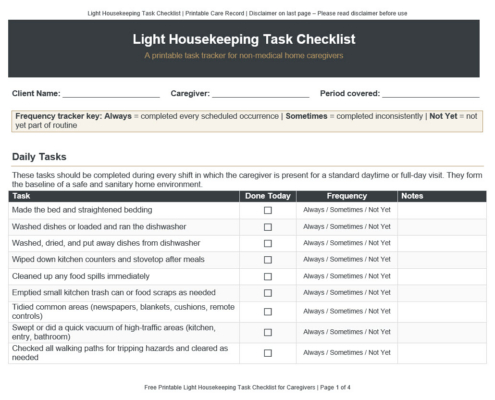 https://carehomecare.com/wp-content/uploads/2026/05/Light-Housekeeping-Checklist-for-Home-Caregivers-1.jpg
832
1080
Moti Gamburd
https://a81019caredemo.wpengine.com/wp-content/uploads/2019/08/CARE-Homecare-Logo-wht.png
Moti Gamburd2026-05-13 11:11:172026-05-14 02:13:21Light Housekeeping Checklist for Home Caregivers | Free Printable PDF
https://carehomecare.com/wp-content/uploads/2026/05/Light-Housekeeping-Checklist-for-Home-Caregivers-1.jpg
832
1080
Moti Gamburd
https://a81019caredemo.wpengine.com/wp-content/uploads/2019/08/CARE-Homecare-Logo-wht.png
Moti Gamburd2026-05-13 11:11:172026-05-14 02:13:21Light Housekeeping Checklist for Home Caregivers | Free Printable PDF https://carehomecare.com/wp-content/uploads/2026/05/Home-Safety-Checklist-for-Seniors-Free-Printable-Room-by-Room-Guide-PDF-Download.jpg
804
1042
Moti Gamburd
https://a81019caredemo.wpengine.com/wp-content/uploads/2019/08/CARE-Homecare-Logo-wht.png
Moti Gamburd2026-05-12 01:27:302026-05-13 02:09:16Home Safety Checklist for Seniors | Room by Room (Free Printable PDF)
https://carehomecare.com/wp-content/uploads/2026/05/Home-Safety-Checklist-for-Seniors-Free-Printable-Room-by-Room-Guide-PDF-Download.jpg
804
1042
Moti Gamburd
https://a81019caredemo.wpengine.com/wp-content/uploads/2019/08/CARE-Homecare-Logo-wht.png
Moti Gamburd2026-05-12 01:27:302026-05-13 02:09:16Home Safety Checklist for Seniors | Room by Room (Free Printable PDF) https://carehomecare.com/wp-content/uploads/2026/05/In-Home-Care-Agency-Checklist-Questions-to-Ask-Before-You-Hire.jpg
831
1078
Moti Gamburd
https://a81019caredemo.wpengine.com/wp-content/uploads/2019/08/CARE-Homecare-Logo-wht.png
Moti Gamburd2026-05-04 01:29:142026-05-13 02:07:13In-Home Care Agency Checklist | Questions to Ask Before You Hire
https://carehomecare.com/wp-content/uploads/2026/05/In-Home-Care-Agency-Checklist-Questions-to-Ask-Before-You-Hire.jpg
831
1078
Moti Gamburd
https://a81019caredemo.wpengine.com/wp-content/uploads/2019/08/CARE-Homecare-Logo-wht.png
Moti Gamburd2026-05-04 01:29:142026-05-13 02:07:13In-Home Care Agency Checklist | Questions to Ask Before You Hire https://carehomecare.com/wp-content/uploads/2026/05/Dementia-Daily-Caregiver-Checklist-Free-Printable-PDF-for-Home-Care.jpg
831
1078
Moti Gamburd
https://a81019caredemo.wpengine.com/wp-content/uploads/2019/08/CARE-Homecare-Logo-wht.png
Moti Gamburd2026-05-03 00:17:592026-05-13 02:09:49Dementia Daily Caregiver Checklist | Free Printable PDF for Home Care
https://carehomecare.com/wp-content/uploads/2026/05/Dementia-Daily-Caregiver-Checklist-Free-Printable-PDF-for-Home-Care.jpg
831
1078
Moti Gamburd
https://a81019caredemo.wpengine.com/wp-content/uploads/2019/08/CARE-Homecare-Logo-wht.png
Moti Gamburd2026-05-03 00:17:592026-05-13 02:09:49Dementia Daily Caregiver Checklist | Free Printable PDF for Home Care https://carehomecare.com/wp-content/uploads/2026/05/ADL-IADL-Checklist-for-Seniors-Free-Printable-Assessment-PDF-Download.jpg
795
1041
Moti Gamburd
https://a81019caredemo.wpengine.com/wp-content/uploads/2019/08/CARE-Homecare-Logo-wht.png
Moti Gamburd2026-05-01 17:41:202026-05-13 02:10:25ADL / IADL Checklist for Seniors - Free Printable Assessment (PDF Download)
https://carehomecare.com/wp-content/uploads/2026/05/ADL-IADL-Checklist-for-Seniors-Free-Printable-Assessment-PDF-Download.jpg
795
1041
Moti Gamburd
https://a81019caredemo.wpengine.com/wp-content/uploads/2019/08/CARE-Homecare-Logo-wht.png
Moti Gamburd2026-05-01 17:41:202026-05-13 02:10:25ADL / IADL Checklist for Seniors - Free Printable Assessment (PDF Download)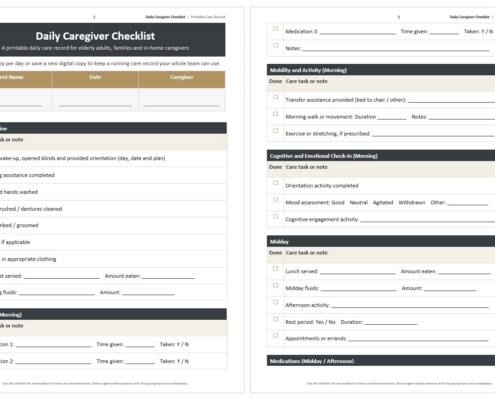 https://carehomecare.com/wp-content/uploads/2026/05/Free-Printable-Caregiver-Daily-Checklist-for-Elderly-PDF-Download.jpg
877
1352
Moti Gamburd
https://a81019caredemo.wpengine.com/wp-content/uploads/2019/08/CARE-Homecare-Logo-wht.png
Moti Gamburd2026-04-21 16:12:122026-05-14 02:01:30Free Printable Caregiver Daily Checklist for Elderly (PDF Download)
https://carehomecare.com/wp-content/uploads/2026/05/Free-Printable-Caregiver-Daily-Checklist-for-Elderly-PDF-Download.jpg
877
1352
Moti Gamburd
https://a81019caredemo.wpengine.com/wp-content/uploads/2019/08/CARE-Homecare-Logo-wht.png
Moti Gamburd2026-04-21 16:12:122026-05-14 02:01:30Free Printable Caregiver Daily Checklist for Elderly (PDF Download) https://carehomecare.com/wp-content/uploads/2026/03/24-7-vs-12-Hour-Shifts-for-Home-Care.jpg
1706
2553
Mendy Perlman
https://a81019caredemo.wpengine.com/wp-content/uploads/2019/08/CARE-Homecare-Logo-wht.png
Mendy Perlman2026-03-14 03:46:542026-03-15 03:52:2924/7 vs 12-Hour Shifts for Home Care - Coverage Models to Compare
https://carehomecare.com/wp-content/uploads/2026/03/24-7-vs-12-Hour-Shifts-for-Home-Care.jpg
1706
2553
Mendy Perlman
https://a81019caredemo.wpengine.com/wp-content/uploads/2019/08/CARE-Homecare-Logo-wht.png
Mendy Perlman2026-03-14 03:46:542026-03-15 03:52:2924/7 vs 12-Hour Shifts for Home Care - Coverage Models to Compare
