Leadership at CARE Homecare
CARE Homecare provides in-home caregivers who assist with daily routines, tasks and non-medical observation services so older adults can remain in the comfort of home while receiving needed support. The agency describes its broader care structure as including a 24/7 care management team, an initial care assessment, a personal care plan, caregiver continuity, periodic care management visits, a geriatric care manager on staff, a licensed nurse on staff, pharmacy support and visiting physician access through insurance.
In a message published on the CARE Homecare website, Moti writes that he grew up watching his mother build care communities where residents could feel happy, relaxed and nurtured. He explains that CARE Homecare extends the same standard of care provided in residential communities into clients’ private homes.
Care Philosophy
Moti’s care philosophy centers on dignity, consistency and personal attention. Through CARE Homecare, his focus is on helping older adults receive dependable support at home while giving families clearer guidance, communication and peace of mind.
His perspective reflects the care model associated with Raya’s Paradise: treating senior care as a deeply personal responsibility, not simply a service. Whether a family is exploring home care, dementia care or a higher level of daily support, Moti’s work emphasizes comfort, trust and quality of life.
Topics Moti Writes About
Moti’s articles focus on practical, family-centered senior care guidance, including how to evaluate home care options, when older adults may need additional support, how families can plan for dementia care and how professional caregivers can help seniors remain safer and more comfortable at home.
Articles by Moti Gamburd
Browse Moti’s latest articles on home care, senior care, aging in place, dementia support and family caregiving.


 https://carehomecare.com/wp-content/uploads/2025/09/Why-Discharge-Planning-Starts-Before-You-Leave-the-Hospital.jpg
1697
2548
Moti Gamburd
https://a81019caredemo.wpengine.com/wp-content/uploads/2019/08/CARE-Homecare-Logo-wht.png
Moti Gamburd2025-09-18 20:01:112026-03-14 18:51:46Why Discharge Planning Starts Before You Leave the Hospital
https://carehomecare.com/wp-content/uploads/2025/09/Why-Discharge-Planning-Starts-Before-You-Leave-the-Hospital.jpg
1697
2548
Moti Gamburd
https://a81019caredemo.wpengine.com/wp-content/uploads/2019/08/CARE-Homecare-Logo-wht.png
Moti Gamburd2025-09-18 20:01:112026-03-14 18:51:46Why Discharge Planning Starts Before You Leave the Hospital https://carehomecare.com/wp-content/uploads/2025/09/Discharge-Instructions-Explained-A-Caregivers-Guide-to-Safer-Recovery-at-Home-1.jpg
1700
2555
Moti Gamburd
https://a81019caredemo.wpengine.com/wp-content/uploads/2019/08/CARE-Homecare-Logo-wht.png
Moti Gamburd2025-09-17 13:00:442026-03-14 18:52:28Discharge Instructions Explained - A Caregiver’s Guide to Safer Recovery at Home
https://carehomecare.com/wp-content/uploads/2025/09/Discharge-Instructions-Explained-A-Caregivers-Guide-to-Safer-Recovery-at-Home-1.jpg
1700
2555
Moti Gamburd
https://a81019caredemo.wpengine.com/wp-content/uploads/2019/08/CARE-Homecare-Logo-wht.png
Moti Gamburd2025-09-17 13:00:442026-03-14 18:52:28Discharge Instructions Explained - A Caregiver’s Guide to Safer Recovery at Home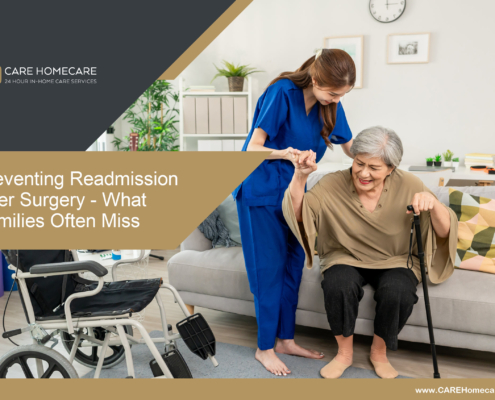 https://carehomecare.com/wp-content/uploads/2025/09/Preventing-Readmission-After-Surgery-What-Families-Often-Miss.jpg
1696
2555
Moti Gamburd
https://a81019caredemo.wpengine.com/wp-content/uploads/2019/08/CARE-Homecare-Logo-wht.png
Moti Gamburd2025-09-16 19:44:162026-03-14 18:54:02Preventing Readmission After Surgery - What Families Often Miss
https://carehomecare.com/wp-content/uploads/2025/09/Preventing-Readmission-After-Surgery-What-Families-Often-Miss.jpg
1696
2555
Moti Gamburd
https://a81019caredemo.wpengine.com/wp-content/uploads/2019/08/CARE-Homecare-Logo-wht.png
Moti Gamburd2025-09-16 19:44:162026-03-14 18:54:02Preventing Readmission After Surgery - What Families Often Miss