
Contents

Why Discharge Planning Starts Before You Leave the Hospital
Leaving the hospital after surgery, an illness or an emergency admission is a milestone. Families often assume it means the hardest part is over. In truth, the first days and weeks at home are some of the most fragile. The risk of complications, falls and readmissions is at its peak. That is why discharge planning should not wait until the last morning on the ward. It should begin as soon as hospitalization does.
As expert home care providers in Los Angeles and Orange County, we see the same challenge again and again. Families get a stack of discharge papers, instructions they barely have time to process and the responsibility to carry them out without professional help. When discharge planning starts early and includes a trusted home care agency, outcomes improve. Healing becomes smoother, families feel less overwhelmed and the chance of a return trip to the hospital is significantly reduced.
This article explores why early discharge planning matters, how to involve a home care team during hospitalization and how services like our 24 hour home care create a bridge between hospital and home.
Key Takeaways
- Discharge planning should begin early during hospitalization, not on the last day
- Medication reconciliation, nutrition, hydration and fall prevention are critical in the first days home
- Local expertise in Los Angeles and Orange County, CA helps overcome transportation and home safety challenges
- Professional caregivers close the gap between medical instructions and daily reality
- Services like 24 hour home care ensure safety during high-risk recoveries
Home Care Support Across Los Angeles and Orange County
CARE Homecare offers flexible hourly and 24-hour in-home care services tailored to your family’s needs.
Our compassionate caregivers provide assistance with daily routines, mobility, meal preparation, companionship and home safety so recovery at home is safer, smoother and less stressful.
Hospitals are designed for acute treatment. Once vital signs stabilize, patients are sent home to recover. Yet at home, new problems appear. Medication schedules can be confusing. Appetite may be poor. Stairs, loose rugs and bathrooms become hazards. Weakness and fatigue make it hard to get up safely or prepare meals.
The Agency for Healthcare Research and Quality (AHRQ) notes that poor discharge transitions are one of the leading causes of preventable readmissions. Miscommunication about medications, unclear instructions and lack of support at home are recurring themes.
By the time families realize how complex recovery is, they are already scrambling. This is why discharge planning should begin long before a patient leaves the hospital doors.
Why waiting until discharge day fails families
Too often, discharge planning is treated as paperwork. A nurse, social worker or case manager runs through a checklist. Families nod along, eager to get home. They leave with instructions but no structured plan to follow through.
The trouble is that the margin for error is narrow. A missed medication dose can lead to infection or blood clots. A skipped meal can worsen weakness. A poorly timed bathroom trip can lead to a fall. Without help, these mistakes accumulate. Families quickly feel overwhelmed.
When home care agencies are involved before discharge, there is time to prepare. The home can be assessed for safety. Meals can be planned. Caregivers can be scheduled. The medication list can be reconciled with the pharmacy. Families enter the first night at home with confidence rather than panic.
The role of a home care agency during hospitalization
Families sometimes assume home care is only relevant after discharge. In reality, agencies like CARE Homecare can begin support while the patient is still in the hospital. Our coordinators communicate directly with the hospital team, gather instructions and anticipate what daily life at home will require.
Early involvement allows us to:
- Clarify the discharge medication list before leaving the hospital
- Understand the surgeon or physician’s red flag symptoms and escalation pathways
- Identify mobility needs such as walkers, bedside commodes or shower chairs
- Arrange follow-up transportation for appointments and therapy
- Customize care plans that align with clinical instructions
By doing this while the patient is still in a hospital bed, families avoid the frantic rush of last-minute planning.
Why local expertise matters
In Los Angeles and Orange County, geography alone can complicate recovery. Traffic makes follow-up appointments harder to keep. Small apartments or multi-level homes create safety barriers. Families juggle caregiving with jobs and childcare.
When discharge planning starts early, a local team like CARE Homecare can identify these challenges before they derail recovery. Our caregivers in Los Angeles and Orange County understand neighborhood resources, local pharmacies and transportation options. This knowledge ensures that even logistical hurdles are factored into the plan.
Medications – the first major challenge at home
Medication confusion is one of the biggest reasons people return to the hospital. New prescriptions are added after surgery. Old medications may be discontinued. Dosages change. Families often misunderstand instructions, leading to skipped doses or dangerous overlaps.
When home care agencies are part of discharge planning, this risk is addressed head on. At CARE Homecare, we use medication assistance and reminders to reconcile medications, create pill organizers and anchor doses to daily routines. This work begins at the hospital, not after problems start.
Nutrition and hydration in the critical first days
Healing requires calories, protein and fluids, yet appetite often drops after surgery. Pain medications cause nausea or constipation. Families may not realize how much nutrition impacts recovery speed. The National Institute on Aging highlights the role of protein and hydration in recovery for older adults.
When a home care team is looped in early, caregivers can plan grocery shopping, meal preparation and hydration strategies before discharge. CARE Homecare’s meal planning and preparation services emphasize protein-first meals, small portions throughout the day and hydration reminders. This reduces complications linked to poor nutrition.
Preventing falls before they happen
Mobility declines quickly after hospitalization. Weakness, fatigue and changes in balance create perfect conditions for falls. Bathrooms, hallways and cluttered bedrooms add to the danger.
Falls are one of the top causes of readmissions after surgery. With early discharge planning, a caregiver can perform a home safety scan before the patient returns. Throw rugs are removed. Lighting is improved. Shower chairs or grab bars are installed. Caregivers also provide hands-on help for transfers and toileting during the vulnerable first days.
CARE Homecare also offers exercise and strengthening programs designed to rebuild balance and mobility safely.
Coordinating follow ups and therapy
Follow up visits and physical therapy are not optional. They are essential for recovery. Yet missed appointments are one of the most common reasons for readmission. Families often underestimate the difficulty of arranging transportation while managing pain and fatigue.
By planning during hospitalization, caregivers can be scheduled for transportation assistance before discharge. We ensure appointments are on the calendar, transportation is arranged and visit summaries are communicated back to the family.
Why 24 hour home care is sometimes essential
For some patients, shorter visits are not enough. Frequent nighttime pain, toileting needs or risk of delirium may make continuous care the safest option. Families rarely realize this until they are in crisis.
When discharge planning starts early, we can recommend whether 24 hour home care or live-in care is the best fit. This ensures that families are not caught off guard by the intensity of support required.
Emotional support for families
Hospitalization is stressful. Discharge can feel like being pushed off a cliff without a parachute. Families often experience anxiety, guilt or exhaustion. Having a professional care team in place before discharge eases this burden.
At CARE Homecare, our caregivers provide not only physical assistance but also social engagement and companionship. This support helps families breathe easier, knowing they are not facing the transition alone.
Contact CARE Homecare Prior to Discharge
If your loved one is preparing for a hospital discharge, do not wait until the last moment to make a plan. At CARE Homecare, we work directly with hospitals, families and physicians to create smooth transitions from hospital to home. From medication reminders to 24 hour home care, our team provides the expertise and support your family needs for safe recovery.
Get in Touch Today
Contact us today to schedule a consultation and learn how we can help your loved one return home with confidence.
Our Los Angeles Headquarters: 1156 North Gardner Street, West Hollywood, CA 90046
Telephone: (323) 851-1422
Email: info@carehomecare.com

 https://carehomecare.com/wp-content/uploads/2026/05/Post-Surgery-Home-Care-Checklist-Non-Medical-Support-for-Recovery-at-Home-Free-PDF-and-Word-Download.jpg
839
1315
Moti Gamburd
https://a81019caredemo.wpengine.com/wp-content/uploads/2019/08/CARE-Homecare-Logo-wht.png
Moti Gamburd2026-05-14 20:03:392026-05-14 20:03:39Free Post-Surgery Home Care Checklist | Non-Medical Support for Recovery at Home | PDF or Word Print or Download
https://carehomecare.com/wp-content/uploads/2026/05/Post-Surgery-Home-Care-Checklist-Non-Medical-Support-for-Recovery-at-Home-Free-PDF-and-Word-Download.jpg
839
1315
Moti Gamburd
https://a81019caredemo.wpengine.com/wp-content/uploads/2019/08/CARE-Homecare-Logo-wht.png
Moti Gamburd2026-05-14 20:03:392026-05-14 20:03:39Free Post-Surgery Home Care Checklist | Non-Medical Support for Recovery at Home | PDF or Word Print or Download https://carehomecare.com/wp-content/uploads/2026/05/Home-Care-Supplies-Preparation-Checklist.jpg
842
1316
Moti Gamburd
https://a81019caredemo.wpengine.com/wp-content/uploads/2019/08/CARE-Homecare-Logo-wht.png
Moti Gamburd2026-05-14 18:49:452026-05-14 18:49:45Home Care Supplies Checklist | What to Have Ready Before Care Starts | Free Printable PDF
https://carehomecare.com/wp-content/uploads/2026/05/Home-Care-Supplies-Preparation-Checklist.jpg
842
1316
Moti Gamburd
https://a81019caredemo.wpengine.com/wp-content/uploads/2019/08/CARE-Homecare-Logo-wht.png
Moti Gamburd2026-05-14 18:49:452026-05-14 18:49:45Home Care Supplies Checklist | What to Have Ready Before Care Starts | Free Printable PDF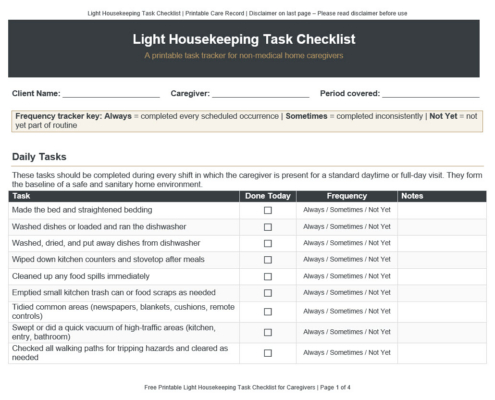 https://carehomecare.com/wp-content/uploads/2026/05/Light-Housekeeping-Checklist-for-Home-Caregivers-1.jpg
832
1080
Moti Gamburd
https://a81019caredemo.wpengine.com/wp-content/uploads/2019/08/CARE-Homecare-Logo-wht.png
Moti Gamburd2026-05-13 11:11:172026-05-14 02:13:21Light Housekeeping Checklist for Home Caregivers | Free Printable PDF
https://carehomecare.com/wp-content/uploads/2026/05/Light-Housekeeping-Checklist-for-Home-Caregivers-1.jpg
832
1080
Moti Gamburd
https://a81019caredemo.wpengine.com/wp-content/uploads/2019/08/CARE-Homecare-Logo-wht.png
Moti Gamburd2026-05-13 11:11:172026-05-14 02:13:21Light Housekeeping Checklist for Home Caregivers | Free Printable PDF https://carehomecare.com/wp-content/uploads/2026/05/Home-Safety-Checklist-for-Seniors-Free-Printable-Room-by-Room-Guide-PDF-Download.jpg
804
1042
Moti Gamburd
https://a81019caredemo.wpengine.com/wp-content/uploads/2019/08/CARE-Homecare-Logo-wht.png
Moti Gamburd2026-05-12 01:27:302026-05-13 02:09:16Home Safety Checklist for Seniors | Room by Room (Free Printable PDF)
https://carehomecare.com/wp-content/uploads/2026/05/Home-Safety-Checklist-for-Seniors-Free-Printable-Room-by-Room-Guide-PDF-Download.jpg
804
1042
Moti Gamburd
https://a81019caredemo.wpengine.com/wp-content/uploads/2019/08/CARE-Homecare-Logo-wht.png
Moti Gamburd2026-05-12 01:27:302026-05-13 02:09:16Home Safety Checklist for Seniors | Room by Room (Free Printable PDF) https://carehomecare.com/wp-content/uploads/2026/05/In-Home-Care-Agency-Checklist-Questions-to-Ask-Before-You-Hire.jpg
831
1078
Moti Gamburd
https://a81019caredemo.wpengine.com/wp-content/uploads/2019/08/CARE-Homecare-Logo-wht.png
Moti Gamburd2026-05-04 01:29:142026-05-13 02:07:13In-Home Care Agency Checklist | Questions to Ask Before You Hire
https://carehomecare.com/wp-content/uploads/2026/05/In-Home-Care-Agency-Checklist-Questions-to-Ask-Before-You-Hire.jpg
831
1078
Moti Gamburd
https://a81019caredemo.wpengine.com/wp-content/uploads/2019/08/CARE-Homecare-Logo-wht.png
Moti Gamburd2026-05-04 01:29:142026-05-13 02:07:13In-Home Care Agency Checklist | Questions to Ask Before You Hire https://carehomecare.com/wp-content/uploads/2026/05/Dementia-Daily-Caregiver-Checklist-Free-Printable-PDF-for-Home-Care.jpg
831
1078
Moti Gamburd
https://a81019caredemo.wpengine.com/wp-content/uploads/2019/08/CARE-Homecare-Logo-wht.png
Moti Gamburd2026-05-03 00:17:592026-05-13 02:09:49Dementia Daily Caregiver Checklist | Free Printable PDF for Home Care
https://carehomecare.com/wp-content/uploads/2026/05/Dementia-Daily-Caregiver-Checklist-Free-Printable-PDF-for-Home-Care.jpg
831
1078
Moti Gamburd
https://a81019caredemo.wpengine.com/wp-content/uploads/2019/08/CARE-Homecare-Logo-wht.png
Moti Gamburd2026-05-03 00:17:592026-05-13 02:09:49Dementia Daily Caregiver Checklist | Free Printable PDF for Home Care https://carehomecare.com/wp-content/uploads/2026/05/ADL-IADL-Checklist-for-Seniors-Free-Printable-Assessment-PDF-Download.jpg
795
1041
Moti Gamburd
https://a81019caredemo.wpengine.com/wp-content/uploads/2019/08/CARE-Homecare-Logo-wht.png
Moti Gamburd2026-05-01 17:41:202026-05-13 02:10:25ADL / IADL Checklist for Seniors - Free Printable Assessment (PDF Download)
https://carehomecare.com/wp-content/uploads/2026/05/ADL-IADL-Checklist-for-Seniors-Free-Printable-Assessment-PDF-Download.jpg
795
1041
Moti Gamburd
https://a81019caredemo.wpengine.com/wp-content/uploads/2019/08/CARE-Homecare-Logo-wht.png
Moti Gamburd2026-05-01 17:41:202026-05-13 02:10:25ADL / IADL Checklist for Seniors - Free Printable Assessment (PDF Download)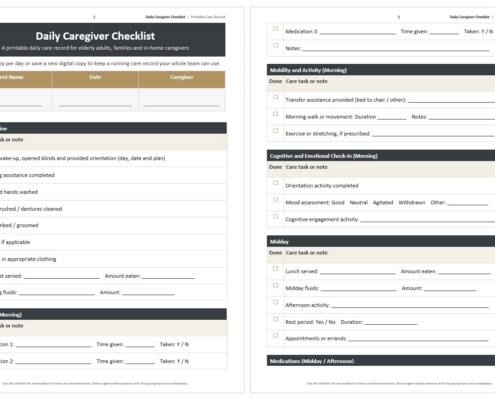 https://carehomecare.com/wp-content/uploads/2026/05/Free-Printable-Caregiver-Daily-Checklist-for-Elderly-PDF-Download.jpg
877
1352
Moti Gamburd
https://a81019caredemo.wpengine.com/wp-content/uploads/2019/08/CARE-Homecare-Logo-wht.png
Moti Gamburd2026-04-21 16:12:122026-05-14 02:01:30Free Printable Caregiver Daily Checklist for Elderly (PDF Download)
https://carehomecare.com/wp-content/uploads/2026/05/Free-Printable-Caregiver-Daily-Checklist-for-Elderly-PDF-Download.jpg
877
1352
Moti Gamburd
https://a81019caredemo.wpengine.com/wp-content/uploads/2019/08/CARE-Homecare-Logo-wht.png
Moti Gamburd2026-04-21 16:12:122026-05-14 02:01:30Free Printable Caregiver Daily Checklist for Elderly (PDF Download) https://carehomecare.com/wp-content/uploads/2026/03/24-7-vs-12-Hour-Shifts-for-Home-Care.jpg
1706
2553
Mendy Perlman
https://a81019caredemo.wpengine.com/wp-content/uploads/2019/08/CARE-Homecare-Logo-wht.png
Mendy Perlman2026-03-14 03:46:542026-03-15 03:52:2924/7 vs 12-Hour Shifts for Home Care - Coverage Models to Compare
https://carehomecare.com/wp-content/uploads/2026/03/24-7-vs-12-Hour-Shifts-for-Home-Care.jpg
1706
2553
Mendy Perlman
https://a81019caredemo.wpengine.com/wp-content/uploads/2019/08/CARE-Homecare-Logo-wht.png
Mendy Perlman2026-03-14 03:46:542026-03-15 03:52:2924/7 vs 12-Hour Shifts for Home Care - Coverage Models to Compare
