
Contents

Discharge Paperwork Decoded – A Family Caregiver’s Guide
Leaving the hospital should bring relief but for many families it also brings confusion. Every patient leaves with discharge paperwork, often a stack of forms that mix clinical language with hurried notes. These documents are not a formality. They are the blueprint for recovery.
Misreading or overlooking even one section can cause setbacks. Missed doses, skipped follow ups or uncertainty about wound care are common reasons for complications and hospital readmission. Understanding discharge paperwork is not optional. It is the first and most important step in recovery at home.
As an expert home care provider serving families across Los Angeles and Orange County, CARE Homecare guides families through this process every day and can begin planning even prior to hospital discharge. We translate clinical instructions into practical routines that work in real homes. This guide breaks down each section of discharge instructions, highlights what families often miss, where the challenges are and explains how professional caregiver support ensures nothing falls through the cracks.
–
If you or a loved one are getting ready to be discharged from the hospital, download our free hospital discharge checklist to help keep things organized and make the discharge journey easier. You can also see our comprehensive guide to home care after hospital discharge here.
Key Takeaways
- Discharge paperwork is the medical roadmap for safe recovery at home. Misunderstanding it is a leading cause of preventable readmissions.
- Families often overlook critical sections on medications, wound care, nutrition, mobility and follow up appointments.
- Red flags such as fever, swelling, uncontrolled pain or sudden confusion require immediate attention.
- Professional home care services turn complex instructions into consistent daily routines and reduce risk.
- Local, specialized post-hospital caregiver support in Los Angeles and Orange County, CA keeps follow ups, medication adherence and safety checks on track.
Home Care Help in Los Angeles and Orange County
CARE Homecare provides hourly and 24 hour in-home care across Los Angeles and Orange Counties.
Our caregivers support families with daily routines, safe mobility, meal preparation, companionship and home safety so recovery stays on track.
Why Discharge Paperwork Matters More Than Families Realize
Hospitals discharge patients once they are stable, not once they are fully recovered. Healing takes place at home, often under stressful conditions. Discharge paperwork provides the medical roadmap. It covers medications, wound care, diet, activity limits, follow up visits and warning signs.
The Agency for Healthcare Research and Quality notes that poor comprehension of discharge instructions contributes to preventable readmissions. Families who understand and follow these instructions see better outcomes and fewer setbacks. Yet the paperwork is often rushed, loaded with abbreviations and not tailored to the home environment. See AHRQ’s overview of discharge and readmission reduction for context: AHRQ Readmissions.
This is where experienced caregiver support makes a critical difference. A home care provider can sit with the family, interpret the paperwork and help design a day to day plan that is realistic and sustainable.
The Structure of Discharge Instructions
Although formats vary by hospital, most discharge paperwork includes the same essential categories. Knowing what each one means helps caregivers prioritize.
Medication Instructions
The medication section is often the most complex. It may include new prescriptions, changes to existing ones and drugs to stop. Details on dosage, timing and interactions can be written in shorthand. Families must reconcile hospital changes with what sits in the home medicine cabinet.
CARE Homecare does not administer or adjust medications. Our role is non-medical. We help you carry out the plan by providing medication assistance and reminders, setting simple organizers that you or the pharmacy supply, aligning reminders with meals or bedtime and observing for side effects that the prescriber should know about. If something looks off, like dizziness, confusion or constipation, we prompt the family to contact the clinician.
Medication mismanagement is a top cause of emergency visits among older adults, especially around care transitions. For background, see the CDC’s guidance: CDC Medication Safety Data.
Wound and Incision Care
Post-surgical instructions often include specific guidance about keeping an incision clean and dry, when to remove a dressing, and what changes require a call. Families may receive teaching before discharge yet the details can feel overwhelming once home.
CARE Homecare does not perform wound care. Our caregivers support the plan by preparing a clean space, gathering supplies, encouraging hand hygiene and reminding families of scheduled dressing routines set by the clinical team. We also observe for visible changes like new redness, warmth, swelling, drainage or fever and notify the family so the licensed provider can respond quickly. Early attention prevents infection and keeps recovery on track.
If your discharge plan includes visits from a nurse or therapist, it falls under home health care prescribed by a clinician. For clarity on who does what, review Home Care vs Home Health Care and The Differences Between Caregivers, Home Health Aides, Home Care and Home Health Care.
Activity Restrictions and Mobility Guidance
Discharge paperwork typically outlines activity limits. It may say no lifting over ten pounds or to avoid stairs without support. It may include a walking plan or instructions to begin therapy at a certain time.
Families often underestimate how fast strength declines after a hospital stay. CARE Homecare provides safe assistance with daily mobility within the boundaries of the surgeon’s guidance. We help with transfers, supervised walks and bathroom safety, and we suggest adjustments at home after a room by room safety check. We also encourage gentle exercise and strengthening approved by the family and medical team. The goals are confidence, circulation and stable balance without overexertion.
Nutrition and Hydration Guidelines
Healing demands protein, calories and fluids but appetite often dips after hospitalization. Some instructions call for high protein diets or soft foods. Others restrict fluids or certain foods because of medication interactions.
Our meal planning and preparation focuses on protein first meals, small frequent servings and textures that match comfort and safety. We keep water or tea within reach throughout the day and note any nausea or poor intake so the family can update the clinician.
Follow Up Appointments and Therapy
Most discharge packets list follow up visits with the surgeon, primary care or specialists. They may include labs and therapy start dates. Skipping these visits is a frequent driver of readmission.
Logistics are hard when energy is low. CARE Homecare provides transportation assistance so appointments are not missed. We help clients bring medication lists and symptom notes so the clinician sees a clear picture of home progress. If a person is not well enough to travel, we support families in asking whether telehealth is reasonable based on the clinician’s advice.
Common Red Flags Families Overlook
Even with discharge instructions in hand, families can miss the signals that recovery is drifting off course. Confusion about what is normal after surgery leads to delays that matter.
Red flags include pain that escalates despite medications, new or spreading swelling, fever or chills, shortness of breath, chest pain, sudden weakness, dizziness, fainting, new drainage with odor or pus, and sudden confusion or agitation. These are not minor issues. They are triggers to call the provider or return to the hospital.
Our caregivers are trained to notice subtle changes during regular routines. A small drop in appetite, slower responses during conversation or a new wobble when standing can be early clues. Acting early often prevents larger problems.
How Caregiver Support Turns Instructions Into Action
Having discharge paperwork is the first step. Following it requires daily consistency. Families juggling work and school and caregiving may not be able to provide the level of attention recovery needs.
This is where professional home care services close the gap. CARE Homecare translates instructions into daily routines that fit the home.
We organize the day around the care plan. We set medication reminders that match the schedule. We plan meals that support healing and hydration. We assist with safe mobility and bathroom routines. We manage rides to follow ups. We document what we see so families can update clinicians with specifics rather than guesswork.
If you are unsure which support level fits, see Types of Home Care. For patients living with memory changes, our Alzheimer’s and dementia care adds structure that reduces agitation and wandering which can complicate recovery.
When to Choose 24 Hour Home Care
Some recoveries are fragile. Nighttime pain, frequent toileting, high fall risk or confusion can make short visits insufficient. In these cases, 24 hour home care provides steady supervision and reassurance. Families often ask how this differs from live in care. For a side by side comparison, see 24 Hour Care vs Live In Care.
Continuous oversight is not a luxury when risk is high. It is the safeguard that keeps people safe and helps families rest.
Evidence-Based Practices to Guide Families
Research across hospitals highlights the same themes. Clear discharge education. Medication reconciliation. Early follow up. Nutrition and hydration. Fall prevention. Social support at home. AHRQ summarizes programs that reduce readmissions, including teach-back education and post-discharge calls.
Our non-medical workflows mirror these best practices at home. We do not replace nurses or therapists. We help families carry out the plan every day so the clinical team’s guidance becomes real-world habits.
Local Realities in Los Angeles and Orange County
Local context affects recovery. Traffic can turn a short drive into a long journey. Apartments and condos often have tight bathrooms or stairs that complicate transfers. Many households juggle work schedules and caregiving.
Our teams understand these realities. We know neighborhood resources and efficient routes. We stage homes for safety within the space that exists. We prioritize continuity so families see familiar caregivers which reduces anxiety and strengthens routines.
If cost planning is part of your decision, visit Cost for Home Care in the Greater Los Angeles Area for guidance. You can also learn more about our services in Los Angeles and Orange County.
Partnering for a Safer Transition Home
Hospital discharge is not the end of care. It is the start of a new and critical stage; after hospital care. The paperwork families bring home contains the instructions needed for a safe recovery. The challenge is turning those instructions into daily action.
With support from CARE Homecare, families gain a partner who understands both the medical roadmap and the practical realities of caregiving. From medication assistance and reminders to safe mobility and meal planning and preparation, we help you follow through. If the situation calls for it, 24 hour home care can stabilize nights and protect progress.
If your family is preparing for a transition from the hospital to home in Los Angeles or Orange County, contact CARE Homecare. Our caregivers are trained, compassionate and ready to make recovery safer and smoother.
Contact CARE Homecare Today
If your loved one is coming home from the hospital, do not let confusing paperwork put recovery at risk. CARE Homecare specializes in turning discharge instructions into safe, practical care plans that prevent setbacks. Whether you need short term visits or 24 hour home care, our caregivers in Los Angeles and Orange County provide guidance, hands-on help and peace of mind.
Our Los Angeles Headquarters: 1156 North Gardner Street, West Hollywood, CA 90046
Telephone: (323) 851-1422
Email: info@carehomecare.com

 https://carehomecare.com/wp-content/uploads/2026/05/Post-Surgery-Home-Care-Checklist-Non-Medical-Support-for-Recovery-at-Home-Free-PDF-and-Word-Download.jpg
839
1315
Moti Gamburd
https://a81019caredemo.wpengine.com/wp-content/uploads/2019/08/CARE-Homecare-Logo-wht.png
Moti Gamburd2026-05-14 20:03:392026-05-14 20:03:39Free Post-Surgery Home Care Checklist | Non-Medical Support for Recovery at Home | PDF or Word Print or Download
https://carehomecare.com/wp-content/uploads/2026/05/Post-Surgery-Home-Care-Checklist-Non-Medical-Support-for-Recovery-at-Home-Free-PDF-and-Word-Download.jpg
839
1315
Moti Gamburd
https://a81019caredemo.wpengine.com/wp-content/uploads/2019/08/CARE-Homecare-Logo-wht.png
Moti Gamburd2026-05-14 20:03:392026-05-14 20:03:39Free Post-Surgery Home Care Checklist | Non-Medical Support for Recovery at Home | PDF or Word Print or Download https://carehomecare.com/wp-content/uploads/2026/05/Home-Care-Supplies-Preparation-Checklist.jpg
842
1316
Moti Gamburd
https://a81019caredemo.wpengine.com/wp-content/uploads/2019/08/CARE-Homecare-Logo-wht.png
Moti Gamburd2026-05-14 18:49:452026-05-14 18:49:45Home Care Supplies Checklist | What to Have Ready Before Care Starts | Free Printable PDF
https://carehomecare.com/wp-content/uploads/2026/05/Home-Care-Supplies-Preparation-Checklist.jpg
842
1316
Moti Gamburd
https://a81019caredemo.wpengine.com/wp-content/uploads/2019/08/CARE-Homecare-Logo-wht.png
Moti Gamburd2026-05-14 18:49:452026-05-14 18:49:45Home Care Supplies Checklist | What to Have Ready Before Care Starts | Free Printable PDF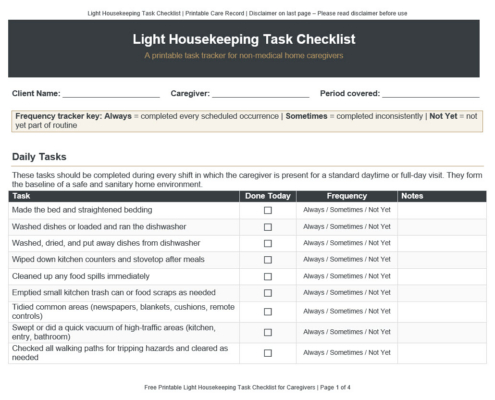 https://carehomecare.com/wp-content/uploads/2026/05/Light-Housekeeping-Checklist-for-Home-Caregivers-1.jpg
832
1080
Moti Gamburd
https://a81019caredemo.wpengine.com/wp-content/uploads/2019/08/CARE-Homecare-Logo-wht.png
Moti Gamburd2026-05-13 11:11:172026-05-14 02:13:21Light Housekeeping Checklist for Home Caregivers | Free Printable PDF
https://carehomecare.com/wp-content/uploads/2026/05/Light-Housekeeping-Checklist-for-Home-Caregivers-1.jpg
832
1080
Moti Gamburd
https://a81019caredemo.wpengine.com/wp-content/uploads/2019/08/CARE-Homecare-Logo-wht.png
Moti Gamburd2026-05-13 11:11:172026-05-14 02:13:21Light Housekeeping Checklist for Home Caregivers | Free Printable PDF https://carehomecare.com/wp-content/uploads/2026/05/Home-Safety-Checklist-for-Seniors-Free-Printable-Room-by-Room-Guide-PDF-Download.jpg
804
1042
Moti Gamburd
https://a81019caredemo.wpengine.com/wp-content/uploads/2019/08/CARE-Homecare-Logo-wht.png
Moti Gamburd2026-05-12 01:27:302026-05-13 02:09:16Home Safety Checklist for Seniors | Room by Room (Free Printable PDF)
https://carehomecare.com/wp-content/uploads/2026/05/Home-Safety-Checklist-for-Seniors-Free-Printable-Room-by-Room-Guide-PDF-Download.jpg
804
1042
Moti Gamburd
https://a81019caredemo.wpengine.com/wp-content/uploads/2019/08/CARE-Homecare-Logo-wht.png
Moti Gamburd2026-05-12 01:27:302026-05-13 02:09:16Home Safety Checklist for Seniors | Room by Room (Free Printable PDF) https://carehomecare.com/wp-content/uploads/2026/05/In-Home-Care-Agency-Checklist-Questions-to-Ask-Before-You-Hire.jpg
831
1078
Moti Gamburd
https://a81019caredemo.wpengine.com/wp-content/uploads/2019/08/CARE-Homecare-Logo-wht.png
Moti Gamburd2026-05-04 01:29:142026-05-13 02:07:13In-Home Care Agency Checklist | Questions to Ask Before You Hire
https://carehomecare.com/wp-content/uploads/2026/05/In-Home-Care-Agency-Checklist-Questions-to-Ask-Before-You-Hire.jpg
831
1078
Moti Gamburd
https://a81019caredemo.wpengine.com/wp-content/uploads/2019/08/CARE-Homecare-Logo-wht.png
Moti Gamburd2026-05-04 01:29:142026-05-13 02:07:13In-Home Care Agency Checklist | Questions to Ask Before You Hire https://carehomecare.com/wp-content/uploads/2026/05/Dementia-Daily-Caregiver-Checklist-Free-Printable-PDF-for-Home-Care.jpg
831
1078
Moti Gamburd
https://a81019caredemo.wpengine.com/wp-content/uploads/2019/08/CARE-Homecare-Logo-wht.png
Moti Gamburd2026-05-03 00:17:592026-05-13 02:09:49Dementia Daily Caregiver Checklist | Free Printable PDF for Home Care
https://carehomecare.com/wp-content/uploads/2026/05/Dementia-Daily-Caregiver-Checklist-Free-Printable-PDF-for-Home-Care.jpg
831
1078
Moti Gamburd
https://a81019caredemo.wpengine.com/wp-content/uploads/2019/08/CARE-Homecare-Logo-wht.png
Moti Gamburd2026-05-03 00:17:592026-05-13 02:09:49Dementia Daily Caregiver Checklist | Free Printable PDF for Home Care https://carehomecare.com/wp-content/uploads/2026/05/ADL-IADL-Checklist-for-Seniors-Free-Printable-Assessment-PDF-Download.jpg
795
1041
Moti Gamburd
https://a81019caredemo.wpengine.com/wp-content/uploads/2019/08/CARE-Homecare-Logo-wht.png
Moti Gamburd2026-05-01 17:41:202026-05-13 02:10:25ADL / IADL Checklist for Seniors - Free Printable Assessment (PDF Download)
https://carehomecare.com/wp-content/uploads/2026/05/ADL-IADL-Checklist-for-Seniors-Free-Printable-Assessment-PDF-Download.jpg
795
1041
Moti Gamburd
https://a81019caredemo.wpengine.com/wp-content/uploads/2019/08/CARE-Homecare-Logo-wht.png
Moti Gamburd2026-05-01 17:41:202026-05-13 02:10:25ADL / IADL Checklist for Seniors - Free Printable Assessment (PDF Download)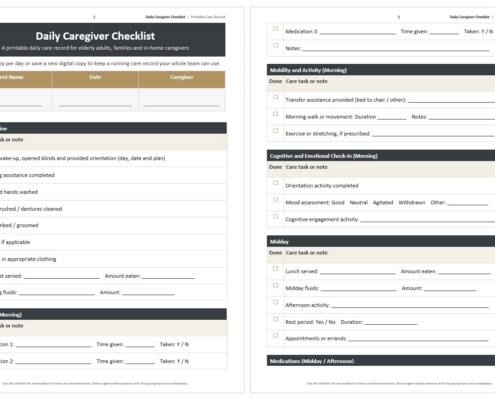 https://carehomecare.com/wp-content/uploads/2026/05/Free-Printable-Caregiver-Daily-Checklist-for-Elderly-PDF-Download.jpg
877
1352
Moti Gamburd
https://a81019caredemo.wpengine.com/wp-content/uploads/2019/08/CARE-Homecare-Logo-wht.png
Moti Gamburd2026-04-21 16:12:122026-05-14 02:01:30Free Printable Caregiver Daily Checklist for Elderly (PDF Download)
https://carehomecare.com/wp-content/uploads/2026/05/Free-Printable-Caregiver-Daily-Checklist-for-Elderly-PDF-Download.jpg
877
1352
Moti Gamburd
https://a81019caredemo.wpengine.com/wp-content/uploads/2019/08/CARE-Homecare-Logo-wht.png
Moti Gamburd2026-04-21 16:12:122026-05-14 02:01:30Free Printable Caregiver Daily Checklist for Elderly (PDF Download) https://carehomecare.com/wp-content/uploads/2026/03/24-7-vs-12-Hour-Shifts-for-Home-Care.jpg
1706
2553
Mendy Perlman
https://a81019caredemo.wpengine.com/wp-content/uploads/2019/08/CARE-Homecare-Logo-wht.png
Mendy Perlman2026-03-14 03:46:542026-03-15 03:52:2924/7 vs 12-Hour Shifts for Home Care - Coverage Models to Compare
https://carehomecare.com/wp-content/uploads/2026/03/24-7-vs-12-Hour-Shifts-for-Home-Care.jpg
1706
2553
Mendy Perlman
https://a81019caredemo.wpengine.com/wp-content/uploads/2019/08/CARE-Homecare-Logo-wht.png
Mendy Perlman2026-03-14 03:46:542026-03-15 03:52:2924/7 vs 12-Hour Shifts for Home Care - Coverage Models to Compare
