
How to Choose a Home Care Agency
Choosing the right home care for a family member is a big decision. You want to make sure your loved ones receive the best care so you just trust anyone.
With so many options available, knowing where to begin can be difficult. But don’t worry, we’re here to help.
By focusing on a few key factors like caregiver experience, agency credentials, communication, and cost, you can make a well-informed decision.
In this guide, we’ll walk you through the steps to finding the right care your loved ones deserve.
Download the In-Home Care Agency Checklist – Questions to Ask Before You Hire
Contents
Key Takeaways
Selecting a home care agency involves more than ticking boxes. It’s about finding a partner in care who aligns with your loved one’s unique needs and your family’s expectations. Focus on agencies that demonstrate trustworthiness through proper licensing, transparent communication, and an emphasis on caregiver expertise.
Prioritize flexibility and adaptability, ensuring the care plan evolves as your loved one’s needs change. Don’t shy away from asking tough questions about costs, qualifications, and caregiver oversight—it’s the foundation of making an informed decision.
Reputation matters. Reliable testimonials and positive reviews can often reveal what a home care brochure or consultation cannot: the real-life experiences of families who’ve trusted the agency before you.
6 Steps to Help You Choose the Right Home Care or Home Health Care Agency
Step 1: Understand Your Needs and Types of Services
The first step is simple: In order to find the right type of home care service for your loved one, you need to know exactly what kind of care your loved one needs.
Do they need assistance in daily activities like dressing or bathing? Or do they need more in-depth medical assistance? Do they need a skilled nurse or therapy services?
Compare Home Care vs. Home Health Care
Medical care services will typically be provided by trained, licensed professionals who can address specific health conditions like diabetes, Alzheimer’s, and a few others. While non-medical services include more general care like companionship, light housekeeping, transportation and dining.
It is important to understand these differences and to discuss follow-up procedures as well. Additionally, you also need to be aware of how the care plan can adapt over time to your loved one’s shifting needs.
Step 2: Confirm Qualifications, Licensing, and Insurance
While conducting your research, you need to make sure that any at-home care service you shortlist has these three important requirements: Insurance, proper licensing, and staff that truly care and can form a bond with your loved one.
These credentials are required to make sure the agency follows professional standards and keeps your family members safe. Since each state has different rules, it’s important to verify that the agency meets your state’s requirements.
Determine if the agency is reliable, by asking questions related to background checks and caregiver screenings. Finding out whether the caregivers are properly vetted is the most important step.
Lastly, you also need to confirm their insurance policies and worker’s compensation in order to keep both yourself and your loved one from falling into a trap you can’t get out of.

Step 3: Assess Caregiver Expertise and Oversight
If your loved one absolutely needs special treatment or post-operative care due to medical conditions like Dementia or Alzheimer’s, choose agencies that provide caregivers with expertise in these areas. If you choose to be a caregiver, see our guide to caring for loved ones with dementia.
Question agencies about their education programs, regular supervision, and again, their vetting criteria to confirm a consistent quality of care.
Additionally, it is also good to check whether their caregivers are trained to provide immediate aid in case of any unprecedented emergencies.
Step 4: Communication, Scheduling, and Flexibility
Open communication is a cornerstone of a good home care agency. The agencies that truly care about their residents will maintain clear communication and provide regular updates and be readily responsive to feedback.
Of course, it’s only natural that you want to stay updated on your loved one’s condition. Which is why, before committing to any agency, confirm how transparent they are with their clients.
Do they lay out a clear care plan and possibly ask for your advice in devising it? Are they open about their policies, contracts, and billing? Are they flexible in their schedule?
Flexibility is an important aspect of home care. Whether your loved one needs 24/7 care or a few hours of assistance, the agency should be able to accommodate them and if those needs should shift, they should be able to adjust their care plan accordingly.

Step 5: Costs, Payment Options, and Reputation
Naturally, it is absolutely key to understand the costs associated with home care for the sake of planning and budgeting. The hallmark of a trustworthy agency is its transparency in discussing its fees.
Reputable agencies will lay out payment plans and detailed breakdowns of fees, including any additional costs that you might have to pay.
Being honest and clear about your finances will help you make the best choice for you, keeping both affordability and appropriate care in mind. It’s good to be direct and enquire about payment options, including Medicaid, Medicare, Veterans benefits, and so on.
If you want to be completely sure about an agency, your next step should be researching its reputation. An agency’s reputation is a good indicator of its quality. Especially, if they have a bunch of testimonials verifying the quality of its services.
Search for any references, reviews, or industry recognition. The more positive feedback a company has, the more likely they are to deliver high-quality care.
Step 6: Making Your Final Decision
Before going ahead with your final decision, make sure you have conducted proper interviews, thoroughly reviewed each shortlisted agency’s care plans, and have personally met their caregivers (if possible).
The right agency should feel like a proper fit and should balance cost, communication, and personalized attention throughout your loved one’s stay.
If you aim to discover trusted, certified and dependable at-home care services, consider reaching out to your local agencies to discuss your options.
You can even schedule a consultation to ensure your loved one is being provided the highest level of care and comfort they require.
And remember, if an agency isn’t the right fit for you, you can always switch to another one.

Why CARE Homecare May Be a Good Fit
Finding the right at-home care for your loved one can feel overwhelming. But you don’t have to look any further.
At CARE Homecare, you can rest assured that your loved ones are in good hands.
Whether you need help with daily tasks or more specialized care, like support for Dementia or Alzheimer’s, we’re here to help.
You can learn more about our services through our brochure or directly contact us to discuss the specific needs of your loved one.
Los Angeles Home Care Services by CARE Homecare
Personalized Support for Comfort, Independence, and Peace of Mind
Choosing the right home care agency can make all the difference for your loved one’s quality of life. With Los Angeles home care services provided by CARE Homecare, your family members can enjoy the comfort of their own home while receiving the dedicated, high-quality care they deserve. From assistance with daily tasks to specialized medical support, CARE Homecare offers solutions that prioritize safety, independence, and continuity of care.
Home is where the heart is, and for seniors, staying in a familiar environment often leads to greater happiness and well-being. Our Los Angeles home care services empower your loved ones to remain close to their family, friends, and community while receiving professional support tailored to their needs.
Take the next step toward ensuring your loved one’s safety, comfort, and happiness.
Ready to learn more about CARE Homecare? Contact CARE Homecare today to explore personalized care solutions that meet your loved one’s unique needs.
 https://carehomecare.com/wp-content/uploads/2026/05/Post-Surgery-Home-Care-Checklist-Non-Medical-Support-for-Recovery-at-Home-Free-PDF-and-Word-Download.jpg
839
1315
Moti Gamburd
https://a81019caredemo.wpengine.com/wp-content/uploads/2019/08/CARE-Homecare-Logo-wht.png
Moti Gamburd2026-05-14 20:03:392026-05-14 20:03:39Free Post-Surgery Home Care Checklist | Non-Medical Support for Recovery at Home | PDF or Word Print or Download
https://carehomecare.com/wp-content/uploads/2026/05/Post-Surgery-Home-Care-Checklist-Non-Medical-Support-for-Recovery-at-Home-Free-PDF-and-Word-Download.jpg
839
1315
Moti Gamburd
https://a81019caredemo.wpengine.com/wp-content/uploads/2019/08/CARE-Homecare-Logo-wht.png
Moti Gamburd2026-05-14 20:03:392026-05-14 20:03:39Free Post-Surgery Home Care Checklist | Non-Medical Support for Recovery at Home | PDF or Word Print or Download https://carehomecare.com/wp-content/uploads/2026/05/Home-Care-Supplies-Preparation-Checklist.jpg
842
1316
Moti Gamburd
https://a81019caredemo.wpengine.com/wp-content/uploads/2019/08/CARE-Homecare-Logo-wht.png
Moti Gamburd2026-05-14 18:49:452026-05-14 18:49:45Home Care Supplies Checklist | What to Have Ready Before Care Starts | Free Printable PDF
https://carehomecare.com/wp-content/uploads/2026/05/Home-Care-Supplies-Preparation-Checklist.jpg
842
1316
Moti Gamburd
https://a81019caredemo.wpengine.com/wp-content/uploads/2019/08/CARE-Homecare-Logo-wht.png
Moti Gamburd2026-05-14 18:49:452026-05-14 18:49:45Home Care Supplies Checklist | What to Have Ready Before Care Starts | Free Printable PDF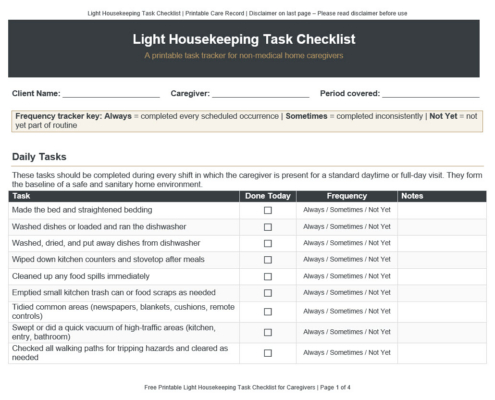 https://carehomecare.com/wp-content/uploads/2026/05/Light-Housekeeping-Checklist-for-Home-Caregivers-1.jpg
832
1080
Moti Gamburd
https://a81019caredemo.wpengine.com/wp-content/uploads/2019/08/CARE-Homecare-Logo-wht.png
Moti Gamburd2026-05-13 11:11:172026-05-14 02:13:21Light Housekeeping Checklist for Home Caregivers | Free Printable PDF
https://carehomecare.com/wp-content/uploads/2026/05/Light-Housekeeping-Checklist-for-Home-Caregivers-1.jpg
832
1080
Moti Gamburd
https://a81019caredemo.wpengine.com/wp-content/uploads/2019/08/CARE-Homecare-Logo-wht.png
Moti Gamburd2026-05-13 11:11:172026-05-14 02:13:21Light Housekeeping Checklist for Home Caregivers | Free Printable PDF https://carehomecare.com/wp-content/uploads/2026/05/Home-Safety-Checklist-for-Seniors-Free-Printable-Room-by-Room-Guide-PDF-Download.jpg
804
1042
Moti Gamburd
https://a81019caredemo.wpengine.com/wp-content/uploads/2019/08/CARE-Homecare-Logo-wht.png
Moti Gamburd2026-05-12 01:27:302026-05-13 02:09:16Home Safety Checklist for Seniors | Room by Room (Free Printable PDF)
https://carehomecare.com/wp-content/uploads/2026/05/Home-Safety-Checklist-for-Seniors-Free-Printable-Room-by-Room-Guide-PDF-Download.jpg
804
1042
Moti Gamburd
https://a81019caredemo.wpengine.com/wp-content/uploads/2019/08/CARE-Homecare-Logo-wht.png
Moti Gamburd2026-05-12 01:27:302026-05-13 02:09:16Home Safety Checklist for Seniors | Room by Room (Free Printable PDF) https://carehomecare.com/wp-content/uploads/2026/05/In-Home-Care-Agency-Checklist-Questions-to-Ask-Before-You-Hire.jpg
831
1078
Moti Gamburd
https://a81019caredemo.wpengine.com/wp-content/uploads/2019/08/CARE-Homecare-Logo-wht.png
Moti Gamburd2026-05-04 01:29:142026-05-13 02:07:13In-Home Care Agency Checklist | Questions to Ask Before You Hire
https://carehomecare.com/wp-content/uploads/2026/05/In-Home-Care-Agency-Checklist-Questions-to-Ask-Before-You-Hire.jpg
831
1078
Moti Gamburd
https://a81019caredemo.wpengine.com/wp-content/uploads/2019/08/CARE-Homecare-Logo-wht.png
Moti Gamburd2026-05-04 01:29:142026-05-13 02:07:13In-Home Care Agency Checklist | Questions to Ask Before You Hire https://carehomecare.com/wp-content/uploads/2026/05/Dementia-Daily-Caregiver-Checklist-Free-Printable-PDF-for-Home-Care.jpg
831
1078
Moti Gamburd
https://a81019caredemo.wpengine.com/wp-content/uploads/2019/08/CARE-Homecare-Logo-wht.png
Moti Gamburd2026-05-03 00:17:592026-05-13 02:09:49Dementia Daily Caregiver Checklist | Free Printable PDF for Home Care
https://carehomecare.com/wp-content/uploads/2026/05/Dementia-Daily-Caregiver-Checklist-Free-Printable-PDF-for-Home-Care.jpg
831
1078
Moti Gamburd
https://a81019caredemo.wpengine.com/wp-content/uploads/2019/08/CARE-Homecare-Logo-wht.png
Moti Gamburd2026-05-03 00:17:592026-05-13 02:09:49Dementia Daily Caregiver Checklist | Free Printable PDF for Home Care https://carehomecare.com/wp-content/uploads/2026/05/ADL-IADL-Checklist-for-Seniors-Free-Printable-Assessment-PDF-Download.jpg
795
1041
Moti Gamburd
https://a81019caredemo.wpengine.com/wp-content/uploads/2019/08/CARE-Homecare-Logo-wht.png
Moti Gamburd2026-05-01 17:41:202026-05-13 02:10:25ADL / IADL Checklist for Seniors - Free Printable Assessment (PDF Download)
https://carehomecare.com/wp-content/uploads/2026/05/ADL-IADL-Checklist-for-Seniors-Free-Printable-Assessment-PDF-Download.jpg
795
1041
Moti Gamburd
https://a81019caredemo.wpengine.com/wp-content/uploads/2019/08/CARE-Homecare-Logo-wht.png
Moti Gamburd2026-05-01 17:41:202026-05-13 02:10:25ADL / IADL Checklist for Seniors - Free Printable Assessment (PDF Download)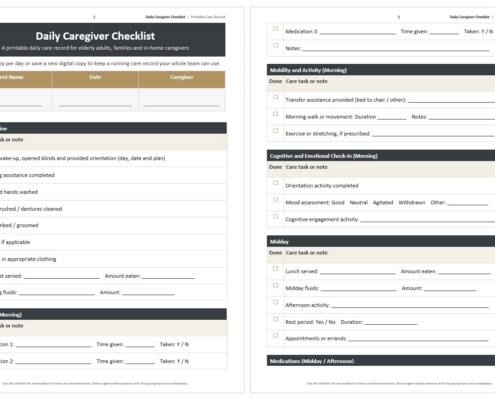 https://carehomecare.com/wp-content/uploads/2026/05/Free-Printable-Caregiver-Daily-Checklist-for-Elderly-PDF-Download.jpg
877
1352
Moti Gamburd
https://a81019caredemo.wpengine.com/wp-content/uploads/2019/08/CARE-Homecare-Logo-wht.png
Moti Gamburd2026-04-21 16:12:122026-05-14 02:01:30Free Printable Caregiver Daily Checklist for Elderly (PDF Download)
https://carehomecare.com/wp-content/uploads/2026/05/Free-Printable-Caregiver-Daily-Checklist-for-Elderly-PDF-Download.jpg
877
1352
Moti Gamburd
https://a81019caredemo.wpengine.com/wp-content/uploads/2019/08/CARE-Homecare-Logo-wht.png
Moti Gamburd2026-04-21 16:12:122026-05-14 02:01:30Free Printable Caregiver Daily Checklist for Elderly (PDF Download) https://carehomecare.com/wp-content/uploads/2026/03/24-7-vs-12-Hour-Shifts-for-Home-Care.jpg
1706
2553
Mendy Perlman
https://a81019caredemo.wpengine.com/wp-content/uploads/2019/08/CARE-Homecare-Logo-wht.png
Mendy Perlman2026-03-14 03:46:542026-03-15 03:52:2924/7 vs 12-Hour Shifts for Home Care - Coverage Models to Compare
https://carehomecare.com/wp-content/uploads/2026/03/24-7-vs-12-Hour-Shifts-for-Home-Care.jpg
1706
2553
Mendy Perlman
https://a81019caredemo.wpengine.com/wp-content/uploads/2019/08/CARE-Homecare-Logo-wht.png
Mendy Perlman2026-03-14 03:46:542026-03-15 03:52:2924/7 vs 12-Hour Shifts for Home Care - Coverage Models to Compare
