
Benefits of In-Home Care Services for LA Seniors
In larger cities like Los Angeles, there are a lot of reasons why home care can be beneficial. When the older people in your life are struggling with the challenges of aging or chronic conditions, they often want to be at home, embedded in their own communities. However, this desire to be at home can complicate things since aging often comes with limited mobility and added health challenges.

Contents
When you choose to utilize a home care company in Los Angeles like CARE Homecare, you allow your loved ones to stay in their homes without having to sacrifice on the quality of care. Beyond this, there are many benefits of at-home care.
Here are the Benefits of In-Home Care Services
Keep reading to learn the advantages of home care services in Los Angeles:

Specialized Care
One of the top benefits of home care services is personalization. With an in-home caregiver, your loved one will always have specialized attention at their fingertips. First, specialized care means that the caregivers will always treat your loved ones with their specific challenges and conditions in mind. Secondly, it means that their caretakers are intimately aware of their situation, so you don’t have to constantly onboard new staff. The result? Top-rated care that is consistent and personalized.

Stay at Home
At-home care is an excellent option versus long-term care facilities or nursing homes, since it helps older adults stay in their homes. In-home care helps older adults remain embedded in their communities, with the people they care about. This means they’re less likely to feel lonely or forgotten. Beyond this, it can be vitally important for anyone suffering from Alzheimer’s or dementia, since staying at home can help reinforce their memories. Finally, in a big city like Los Angeles, keeping a loved one at home may make it easier for others to continue to visit them.
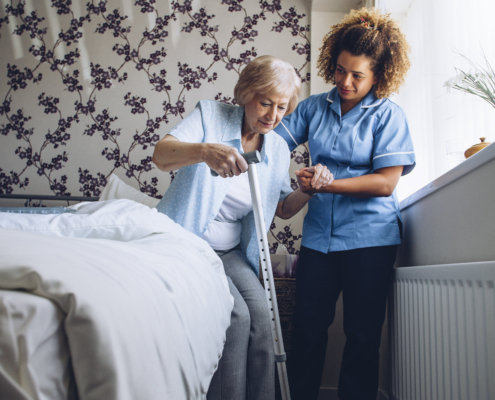

Minimize Falls
Unfortunately, one challenge most older adults face is falling and the consequences of a fall. In the later years, a fall can seriously impact your loved one’s mobility and health outcomes overall. Regaining mobility after a fall is extremely challenging for older adults, since their physical abilities may already be limited. Ultimately, the best way to avoid a costly and difficult recovery process is to avoid falls in the first place. Having 24-hour home care means your loved one will have constant supervision, so falls are far less likely to occur. Even if a fall does happen, a caregiver can quickly attend to your loved one, so they’re not laying without help until someone happens to drop by.
Save Money Over Time
As you know, the first step to treating an older adult is noticing changes in their behavior or any potential symptoms. Often, the first signs of a new problem appear slowly over time and can be difficult to catch. However, with 24-hour care services, your loved one will always have someone looking out for them. This attention is one of the key benefits of home care services. With someone always there, you may catch things early and save on medical expenses throughout the years.
Lower Risk of Infections or Illness
If you’ve ever been to a hospital, you know that illnesses can spread quickly. Just remembering how quickly COVID-19 spread through nursing homes, it is clear that dense living conditions can be a health risk for older adults. One of the benefits of home care services is lower exposure to these high-risk environments. By allowing your loved ones to stay at home, they will avoid spending time in crowded nursing homes. This can also save you money over time, by avoiding unnecessary doctor visits or treatments.

Higher Independence
Other options for older adult care, like nursing homes, can make your loved one feel as though you’re stealing their independence. No one wants to feel like they’ve lost their autonomy, even as they need more help in aging. For your loved one, being allowed to stay in their home stands for independence. In-home care ensures older adults always have someone around the house to help with day-to-day things, so they can continue to run their households as they always have.

Enhanced Access
While it is incredibly beneficial for your loved one to be able to stay home, it also has benefits for other people in their life. Keeping your loved one at home means it is easier for family and friends to visit. With 24-care services, your loved one always has someone by their side, meaning family and friends can visit without feeling that they have to provide care. This means your loved one will likely have more visitors to keep their spirits high. In Los Angeles, this is a big benefit, since traffic patterns can make it challenging to move around the city.

Continuity of Care
One of the saddest aspects of nursing homes is the constantly rotating staff of caregivers. Always having someone new as part of your care makes it hard to connect with people. Home care means you won’t have a revolving door of staffers around your loved one. With home care, your loved one has a consistent team, with minimal turnover. This allows for a personal relationship between the caregivers and your loved one. All of this makes home care feel more comfortable versus other options.
Complementary Services
In addition to all of these day-to-day benefits, utilizing home care for your loved one gives you access to additional support. With CARE Homecare, some of these services include a 24-hour care management team, pharmacy support, and much more! Access to these other services and support network helps provide excellent care for older adults and reduces stress for the care coordinator as well. Taking care of an older adult can be extremely challenging; CARE Homecare’s additional support and services help manage the burden.
Ultimately, what does home care do? It allows you to provide top-level care for the older adults in your life, without removing them from their home or community. This care allows your loved one to maintain higher independence, reduce medical risks like falls, and have a consistent staff. Finally, home care benefits not only the older adult, but also their care coordinator. Having specialized support and personalized care for their loved one allows family members to relax with reassurance.

Los Angeles At-Home Care Services by CARE Homecare
Providing Comfort, Independence, and Peace of Mind
Los Angeles at-home care services offer a unique and effective way to support the older adults in your life. By choosing personalized care through an established provider like CARE Homecare, your loved ones can continue living at home while receiving the high-quality support they deserve. The benefits are numerous—from reducing health risks and minimizing falls to enhancing independence and providing continuity of care
Staying at home is often the most comfortable and fulfilling option for seniors, allowing them to remain close to family, friends, and their community. With Los Angeles at-home care services, you can rest easy knowing your loved one is safe, comfortable, and thriving in the environment they love.
Ready to learn more about how in-home care can benefit your family? Contact CARE Homecare today to explore personalized care solutions that meet your loved one’s unique needs.
 https://carehomecare.com/wp-content/uploads/2026/02/Printable-Caregiver-Burnout-Self-Check-Worksheet.jpg
748
1166
Mendy Perlman
https://a81019caredemo.wpengine.com/wp-content/uploads/2019/08/CARE-Homecare-Logo-wht.png
Mendy Perlman2026-02-15 20:32:402026-02-15 20:32:40Free Printable Caregiver Burnout Self-Check Worksheet PDF and Burnout Prevention Guide
https://carehomecare.com/wp-content/uploads/2026/02/Printable-Caregiver-Burnout-Self-Check-Worksheet.jpg
748
1166
Mendy Perlman
https://a81019caredemo.wpengine.com/wp-content/uploads/2019/08/CARE-Homecare-Logo-wht.png
Mendy Perlman2026-02-15 20:32:402026-02-15 20:32:40Free Printable Caregiver Burnout Self-Check Worksheet PDF and Burnout Prevention Guide https://carehomecare.com/wp-content/uploads/2026/02/Why-Caregiver-Resentment-Builds-and-How-to-Stop-It-Early.jpg
1691
2553
Mendy Perlman
https://a81019caredemo.wpengine.com/wp-content/uploads/2019/08/CARE-Homecare-Logo-wht.png
Mendy Perlman2026-02-15 19:20:082026-02-16 16:53:24Why Caregiver Resentment Builds and How to Stop It Early
https://carehomecare.com/wp-content/uploads/2026/02/Why-Caregiver-Resentment-Builds-and-How-to-Stop-It-Early.jpg
1691
2553
Mendy Perlman
https://a81019caredemo.wpengine.com/wp-content/uploads/2019/08/CARE-Homecare-Logo-wht.png
Mendy Perlman2026-02-15 19:20:082026-02-16 16:53:24Why Caregiver Resentment Builds and How to Stop It Early https://carehomecare.com/wp-content/uploads/2026/01/The-Emotional-Difference-Between-Caring-for-a-Parent-and-a-Spouse.jpeg
1700
2555
Mendy Perlman
https://a81019caredemo.wpengine.com/wp-content/uploads/2019/08/CARE-Homecare-Logo-wht.png
Mendy Perlman2026-01-13 19:32:432026-02-15 20:35:26The Emotional Difference Between Caring for a Parent and a Spouse
https://carehomecare.com/wp-content/uploads/2026/01/The-Emotional-Difference-Between-Caring-for-a-Parent-and-a-Spouse.jpeg
1700
2555
Mendy Perlman
https://a81019caredemo.wpengine.com/wp-content/uploads/2019/08/CARE-Homecare-Logo-wht.png
Mendy Perlman2026-01-13 19:32:432026-02-15 20:35:26The Emotional Difference Between Caring for a Parent and a Spouse https://carehomecare.com/wp-content/uploads/2026/01/Sibling-Conflict-Over-Parent-Care-and-How-to-Avoid-Family-Feuds.jpg
1693
2555
Moti Gamburd
https://a81019caredemo.wpengine.com/wp-content/uploads/2019/08/CARE-Homecare-Logo-wht.png
Moti Gamburd2026-01-06 20:23:322026-02-15 20:35:48Sibling Conflict Over Parent Care - How to Avoid Family Feuds
https://carehomecare.com/wp-content/uploads/2026/01/Sibling-Conflict-Over-Parent-Care-and-How-to-Avoid-Family-Feuds.jpg
1693
2555
Moti Gamburd
https://a81019caredemo.wpengine.com/wp-content/uploads/2019/08/CARE-Homecare-Logo-wht.png
Moti Gamburd2026-01-06 20:23:322026-02-15 20:35:48Sibling Conflict Over Parent Care - How to Avoid Family Feuds https://carehomecare.com/wp-content/uploads/2025/12/Why-Family-Caregiver-Guilt-Keeps-People-From-Asking-for-Help.jpeg
1697
2555
Moti Gamburd
https://a81019caredemo.wpengine.com/wp-content/uploads/2019/08/CARE-Homecare-Logo-wht.png
Moti Gamburd2025-12-18 17:44:272026-02-15 20:36:25Why Family Caregiver Guilt Keeps People From Asking for Help
https://carehomecare.com/wp-content/uploads/2025/12/Why-Family-Caregiver-Guilt-Keeps-People-From-Asking-for-Help.jpeg
1697
2555
Moti Gamburd
https://a81019caredemo.wpengine.com/wp-content/uploads/2019/08/CARE-Homecare-Logo-wht.png
Moti Gamburd2025-12-18 17:44:272026-02-15 20:36:25Why Family Caregiver Guilt Keeps People From Asking for Help https://carehomecare.com/wp-content/uploads/2025/12/The-Hidden-Toll-of-Being-the-Default-Caregiver-and-How-to-Prevent-Burnout.jpeg
1697
2551
Moti Gamburd
https://a81019caredemo.wpengine.com/wp-content/uploads/2019/08/CARE-Homecare-Logo-wht.png
Moti Gamburd2025-12-18 00:32:032026-02-15 20:37:11The Hidden Toll of Being the “Default” Caregiver
https://carehomecare.com/wp-content/uploads/2025/12/The-Hidden-Toll-of-Being-the-Default-Caregiver-and-How-to-Prevent-Burnout.jpeg
1697
2551
Moti Gamburd
https://a81019caredemo.wpengine.com/wp-content/uploads/2019/08/CARE-Homecare-Logo-wht.png
Moti Gamburd2025-12-18 00:32:032026-02-15 20:37:11The Hidden Toll of Being the “Default” Caregiver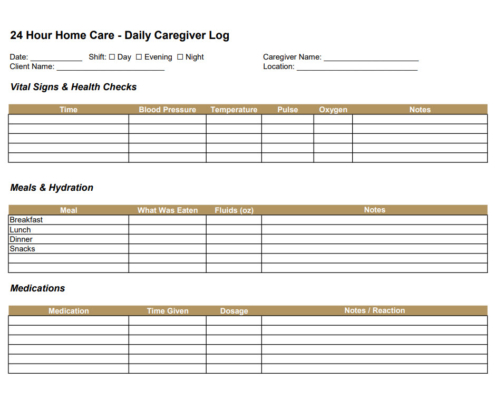 https://carehomecare.com/wp-content/uploads/2025/10/24-Hour-Home-Care-Daily-Caregiver-Log.jpg
759
988
Moti Gamburd
https://a81019caredemo.wpengine.com/wp-content/uploads/2019/08/CARE-Homecare-Logo-wht.png
Moti Gamburd2025-10-31 18:49:032025-10-31 18:49:0324/7 Home Care Documentation - Daily Logs, Checklists & Family Updates
https://carehomecare.com/wp-content/uploads/2025/10/24-Hour-Home-Care-Daily-Caregiver-Log.jpg
759
988
Moti Gamburd
https://a81019caredemo.wpengine.com/wp-content/uploads/2019/08/CARE-Homecare-Logo-wht.png
Moti Gamburd2025-10-31 18:49:032025-10-31 18:49:0324/7 Home Care Documentation - Daily Logs, Checklists & Family Updates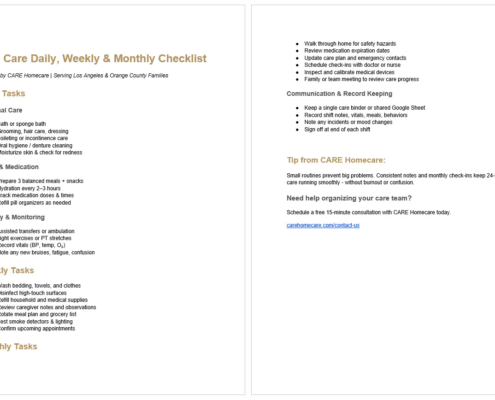 https://carehomecare.com/wp-content/uploads/2025/10/24-7-Care-Checklist-PDF-Daily-Weekly-Monthly.jpg
868
1346
Moti Gamburd
https://a81019caredemo.wpengine.com/wp-content/uploads/2019/08/CARE-Homecare-Logo-wht.png
Moti Gamburd2025-10-30 04:03:262026-02-15 20:43:33Printable 24/7 Care Checklist PDF - Daily, Weekly and Monthly Tasks
https://carehomecare.com/wp-content/uploads/2025/10/24-7-Care-Checklist-PDF-Daily-Weekly-Monthly.jpg
868
1346
Moti Gamburd
https://a81019caredemo.wpengine.com/wp-content/uploads/2019/08/CARE-Homecare-Logo-wht.png
Moti Gamburd2025-10-30 04:03:262026-02-15 20:43:33Printable 24/7 Care Checklist PDF - Daily, Weekly and Monthly Tasks https://carehomecare.com/wp-content/uploads/2025/09/Hospital-Discharge-Checklist.jpg
865
1335
Moti Gamburd
https://a81019caredemo.wpengine.com/wp-content/uploads/2019/08/CARE-Homecare-Logo-wht.png
Moti Gamburd2025-09-21 15:46:452025-10-31 13:53:18Hospital Discharge Checklist - Your Complete Guide to a Safe Transition Home
https://carehomecare.com/wp-content/uploads/2025/09/Hospital-Discharge-Checklist.jpg
865
1335
Moti Gamburd
https://a81019caredemo.wpengine.com/wp-content/uploads/2019/08/CARE-Homecare-Logo-wht.png
Moti Gamburd2025-09-21 15:46:452025-10-31 13:53:18Hospital Discharge Checklist - Your Complete Guide to a Safe Transition Home
