

Contents
Why Dementia Patients Thrive with In-Home Memory Care
Key Takeaways
- In-home memory care offers a familiar, calming environment that helps reduce confusion and anxiety for dementia patients.
- Personalized, one-on-one support allows caregivers to adapt to the patient’s changing needs while encouraging independence and emotional stability.
- Families benefit from peace of mind, reduced stress, and the ability to stay closely involved without becoming full-time caregivers.
The Case for Familiarity and Comfort
Caring for someone with dementia can be deeply emotional, especially as memory loss and cognitive changes begin to reshape daily life. The condition often brings confusion, personality shifts, and difficulty with once-routine tasks. These changes can leave families feeling overwhelmed, unsure of how best to help their loved one maintain quality of life.
One of the most important factors in managing dementia is consistency. People living with dementia often respond best to familiar environments, predictable routines, and stable relationships. This is where in-home memory care offers a powerful advantage. Rather than adjusting to the unfamiliar setting of a care facility, patients can receive professional, compassionate support in the comfort of their own home—a place that holds meaning, history, and emotional safety.

Understanding Dementia and Its Progression
Dementia is not a single disease but a group of conditions that impact memory, decision-making, and overall cognitive function. Alzheimer’s disease is the most common form, but there are others, including vascular dementia, Lewy body dementia, and frontotemporal dementia. Regardless of the type, the symptoms generally progress over time and can include memory loss, confusion, disorientation, mood swings, and difficulty communicating.
As dementia advances, it disrupts not only memory but also behavior, relationships, and the ability to perform daily tasks. Changes in environment can heighten disorientation, leading to increased anxiety, agitation, or withdrawal. Even small alterations in surroundings or routines can be unsettling. This is why maintaining a consistent, supportive environment becomes essential for emotional and cognitive stability.
The Power of Home: Why Environment Matters
Home is more than a physical space. It’s where we form memories, feel secure, and engage in the routines that shape our days. For dementia patients, these familiar surroundings play a critical role in minimizing confusion and promoting a sense of stability.
The ability to remain at home often reduces the emotional stress that comes with transitions to institutional settings. Being surrounded by recognizable furniture, photos, and daily routines can help individuals with dementia feel more grounded. Unlike memory care facilities, where patients must adapt to new environments, new caregivers, and unfamiliar schedules, in-home care allows the person to stay in a space they know and trust.

What Makes In-Home Memory Care Different
In-home memory care offers a highly personalized approach that facility care often struggles to replicate. One-on-one support allows caregivers to fully focus on the individual’s needs, preferences, and pace. Care plans are flexible and evolve as the patient’s condition changes, ensuring continuity of care.
Caregiver consistency is another defining feature. Rather than seeing a rotation of staff, the patient is able to build a relationship with one or two trusted caregivers who learn their routines, moods, and communication style. This trust-building is crucial for patients who may already feel anxious or confused.
Family members are also more closely involved in the care process. From participating in care decisions to daily check-ins, in-home care encourages open communication and collaboration. Services may include assistance with bathing and grooming, meal preparation, medication reminders, safety supervision, memory stimulation activities, and transportation to appointments—all tailored to the individual’s level of need.
Emotional and Cognitive Benefits for Patients
When care is delivered in a familiar setting, patients often show lower levels of agitation and anxiety. The emotional security of home supports more positive interactions and makes it easier for caregivers to redirect or soothe during moments of confusion.
Because the environment is calm and consistent, patients are also more likely to engage in meaningful activities. Whether it’s listening to music, looking through photo albums, or participating in light exercises, these daily interactions can help preserve skills, stimulate memory, and enhance mood. Encouraging retained abilities—even small ones—can provide a sense of purpose and dignity.

Benefits for Family Members
In-home care isn’t just beneficial for patients. It also eases the emotional and physical burden on families. Being a full-time caregiver can be exhausting and isolating, especially when faced with the emotional weight of watching a loved one change.
Professional memory care allows family members to step out of the caregiving role and focus on simply being a spouse, child, or sibling again. With trained support in place, families gain peace of mind knowing their loved one is safe, supported, and receiving care that adapts with them.
In-home care can be scheduled around the family’s routine, offering flexibility whether the need is for part-time support or 24-hour supervision.
Signs It Might Be Time for In-Home Memory Care
It can be difficult to know when to seek professional help, but there are clear signs that it may be time to consider in-home memory care. If your loved one is becoming increasingly forgetful, is confused even in familiar surroundings, or is showing signs of agitation, it may be time to act.
Other indicators include noticeable weight loss, medication errors, wandering, or falls. Caregiver burnout is also a significant factor. If providing care is beginning to affect your own health, relationships, or emotional well-being, it is not only okay but necessary to bring in help. Recommendations from a healthcare provider can also guide this decision.

Support That Feels Like Home
In-home memory care provides a powerful combination of professional support and emotional familiarity. It offers patients the chance to stay in their own space, surrounded by the people and objects they know and love. It also gives families the ability to stay involved without becoming overwhelmed.
At CARE Homecare, we believe memory care should be personal, consistent, and delivered with compassion. Our caregivers are trained not just in tasks, but in presence—offering calm, trust, and dignity to those navigating the challenges of dementia.
Alzheimer’s and Dementia Home Care in Los Angeles & Orange County, CA
Schedule a free consultation with CARE Homecare to learn how our memory care team can help your loved one thrive at home. Call (323) 851-1422 or contact us online today.
Ready to learn more about how in-home care can benefit your family? Contact CARE Homecare today to explore personalized care solutions that meet your loved one’s unique needs.
 https://carehomecare.com/wp-content/uploads/2026/05/Post-Surgery-Home-Care-Checklist-Non-Medical-Support-for-Recovery-at-Home-Free-PDF-and-Word-Download.jpg
839
1315
Moti Gamburd
https://a81019caredemo.wpengine.com/wp-content/uploads/2019/08/CARE-Homecare-Logo-wht.png
Moti Gamburd2026-05-14 20:03:392026-05-14 20:03:39Free Post-Surgery Home Care Checklist | Non-Medical Support for Recovery at Home | PDF or Word Print or Download
https://carehomecare.com/wp-content/uploads/2026/05/Post-Surgery-Home-Care-Checklist-Non-Medical-Support-for-Recovery-at-Home-Free-PDF-and-Word-Download.jpg
839
1315
Moti Gamburd
https://a81019caredemo.wpengine.com/wp-content/uploads/2019/08/CARE-Homecare-Logo-wht.png
Moti Gamburd2026-05-14 20:03:392026-05-14 20:03:39Free Post-Surgery Home Care Checklist | Non-Medical Support for Recovery at Home | PDF or Word Print or Download https://carehomecare.com/wp-content/uploads/2026/05/Home-Care-Supplies-Preparation-Checklist.jpg
842
1316
Moti Gamburd
https://a81019caredemo.wpengine.com/wp-content/uploads/2019/08/CARE-Homecare-Logo-wht.png
Moti Gamburd2026-05-14 18:49:452026-05-14 18:49:45Home Care Supplies Checklist | What to Have Ready Before Care Starts | Free Printable PDF
https://carehomecare.com/wp-content/uploads/2026/05/Home-Care-Supplies-Preparation-Checklist.jpg
842
1316
Moti Gamburd
https://a81019caredemo.wpengine.com/wp-content/uploads/2019/08/CARE-Homecare-Logo-wht.png
Moti Gamburd2026-05-14 18:49:452026-05-14 18:49:45Home Care Supplies Checklist | What to Have Ready Before Care Starts | Free Printable PDF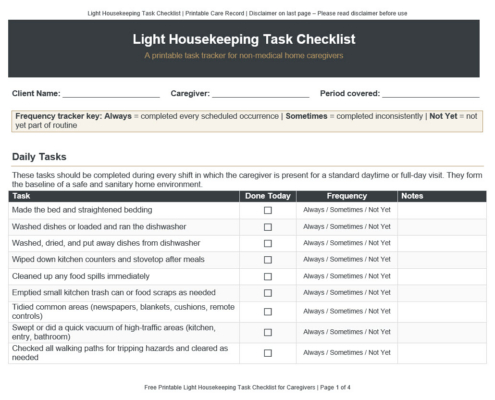 https://carehomecare.com/wp-content/uploads/2026/05/Light-Housekeeping-Checklist-for-Home-Caregivers-1.jpg
832
1080
Moti Gamburd
https://a81019caredemo.wpengine.com/wp-content/uploads/2019/08/CARE-Homecare-Logo-wht.png
Moti Gamburd2026-05-13 11:11:172026-05-14 02:13:21Light Housekeeping Checklist for Home Caregivers | Free Printable PDF
https://carehomecare.com/wp-content/uploads/2026/05/Light-Housekeeping-Checklist-for-Home-Caregivers-1.jpg
832
1080
Moti Gamburd
https://a81019caredemo.wpengine.com/wp-content/uploads/2019/08/CARE-Homecare-Logo-wht.png
Moti Gamburd2026-05-13 11:11:172026-05-14 02:13:21Light Housekeeping Checklist for Home Caregivers | Free Printable PDF https://carehomecare.com/wp-content/uploads/2026/05/Home-Safety-Checklist-for-Seniors-Free-Printable-Room-by-Room-Guide-PDF-Download.jpg
804
1042
Moti Gamburd
https://a81019caredemo.wpengine.com/wp-content/uploads/2019/08/CARE-Homecare-Logo-wht.png
Moti Gamburd2026-05-12 01:27:302026-05-13 02:09:16Home Safety Checklist for Seniors | Room by Room (Free Printable PDF)
https://carehomecare.com/wp-content/uploads/2026/05/Home-Safety-Checklist-for-Seniors-Free-Printable-Room-by-Room-Guide-PDF-Download.jpg
804
1042
Moti Gamburd
https://a81019caredemo.wpengine.com/wp-content/uploads/2019/08/CARE-Homecare-Logo-wht.png
Moti Gamburd2026-05-12 01:27:302026-05-13 02:09:16Home Safety Checklist for Seniors | Room by Room (Free Printable PDF) https://carehomecare.com/wp-content/uploads/2026/05/In-Home-Care-Agency-Checklist-Questions-to-Ask-Before-You-Hire.jpg
831
1078
Moti Gamburd
https://a81019caredemo.wpengine.com/wp-content/uploads/2019/08/CARE-Homecare-Logo-wht.png
Moti Gamburd2026-05-04 01:29:142026-05-13 02:07:13In-Home Care Agency Checklist | Questions to Ask Before You Hire
https://carehomecare.com/wp-content/uploads/2026/05/In-Home-Care-Agency-Checklist-Questions-to-Ask-Before-You-Hire.jpg
831
1078
Moti Gamburd
https://a81019caredemo.wpengine.com/wp-content/uploads/2019/08/CARE-Homecare-Logo-wht.png
Moti Gamburd2026-05-04 01:29:142026-05-13 02:07:13In-Home Care Agency Checklist | Questions to Ask Before You Hire https://carehomecare.com/wp-content/uploads/2026/05/Dementia-Daily-Caregiver-Checklist-Free-Printable-PDF-for-Home-Care.jpg
831
1078
Moti Gamburd
https://a81019caredemo.wpengine.com/wp-content/uploads/2019/08/CARE-Homecare-Logo-wht.png
Moti Gamburd2026-05-03 00:17:592026-05-13 02:09:49Dementia Daily Caregiver Checklist | Free Printable PDF for Home Care
https://carehomecare.com/wp-content/uploads/2026/05/Dementia-Daily-Caregiver-Checklist-Free-Printable-PDF-for-Home-Care.jpg
831
1078
Moti Gamburd
https://a81019caredemo.wpengine.com/wp-content/uploads/2019/08/CARE-Homecare-Logo-wht.png
Moti Gamburd2026-05-03 00:17:592026-05-13 02:09:49Dementia Daily Caregiver Checklist | Free Printable PDF for Home Care https://carehomecare.com/wp-content/uploads/2026/05/ADL-IADL-Checklist-for-Seniors-Free-Printable-Assessment-PDF-Download.jpg
795
1041
Moti Gamburd
https://a81019caredemo.wpengine.com/wp-content/uploads/2019/08/CARE-Homecare-Logo-wht.png
Moti Gamburd2026-05-01 17:41:202026-05-13 02:10:25ADL / IADL Checklist for Seniors - Free Printable Assessment (PDF Download)
https://carehomecare.com/wp-content/uploads/2026/05/ADL-IADL-Checklist-for-Seniors-Free-Printable-Assessment-PDF-Download.jpg
795
1041
Moti Gamburd
https://a81019caredemo.wpengine.com/wp-content/uploads/2019/08/CARE-Homecare-Logo-wht.png
Moti Gamburd2026-05-01 17:41:202026-05-13 02:10:25ADL / IADL Checklist for Seniors - Free Printable Assessment (PDF Download)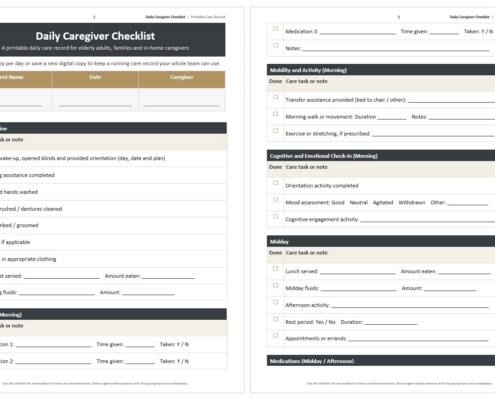 https://carehomecare.com/wp-content/uploads/2026/05/Free-Printable-Caregiver-Daily-Checklist-for-Elderly-PDF-Download.jpg
877
1352
Moti Gamburd
https://a81019caredemo.wpengine.com/wp-content/uploads/2019/08/CARE-Homecare-Logo-wht.png
Moti Gamburd2026-04-21 16:12:122026-05-14 02:01:30Free Printable Caregiver Daily Checklist for Elderly (PDF Download)
https://carehomecare.com/wp-content/uploads/2026/05/Free-Printable-Caregiver-Daily-Checklist-for-Elderly-PDF-Download.jpg
877
1352
Moti Gamburd
https://a81019caredemo.wpengine.com/wp-content/uploads/2019/08/CARE-Homecare-Logo-wht.png
Moti Gamburd2026-04-21 16:12:122026-05-14 02:01:30Free Printable Caregiver Daily Checklist for Elderly (PDF Download) https://carehomecare.com/wp-content/uploads/2026/03/24-7-vs-12-Hour-Shifts-for-Home-Care.jpg
1706
2553
Mendy Perlman
https://a81019caredemo.wpengine.com/wp-content/uploads/2019/08/CARE-Homecare-Logo-wht.png
Mendy Perlman2026-03-14 03:46:542026-03-15 03:52:2924/7 vs 12-Hour Shifts for Home Care - Coverage Models to Compare
https://carehomecare.com/wp-content/uploads/2026/03/24-7-vs-12-Hour-Shifts-for-Home-Care.jpg
1706
2553
Mendy Perlman
https://a81019caredemo.wpengine.com/wp-content/uploads/2019/08/CARE-Homecare-Logo-wht.png
Mendy Perlman2026-03-14 03:46:542026-03-15 03:52:2924/7 vs 12-Hour Shifts for Home Care - Coverage Models to Compare
