
Contents
What Do Home Care Providers Do?
A Detailed Guide for Families Seeking In-Home Support
Key Takeaways
- Home care providers deliver non-medical assistance that helps older adults and individuals with disabilities remain safely at home.
- Home care services range from help with daily personal care tasks to support with errands, meals, and light housekeeping.
- Companionship plays a meaningful role in reducing loneliness and supporting emotional health.
- Specialized care plans can assist people living with dementia, Alzheimer’s, or chronic conditions.
- Home care is different from home health care, which involves licensed medical professionals and skilled nursing care.
- Payment options may include private pay, long-term care insurance, Medi-Cal, Medicaid waivers, or veterans benefits.
- CARE Homecare provides personalized in-home support across Los Angeles and Orange County, with trained caregivers and flexible service plans.
Looking for Home Care in Southern California?
CARE Homecare offers hourly and 24-hour in-home care services across LA and Orange Counties.
Speak with one of our home care specialists today.
What’s Included
For many older adults, staying at home feels far more comforting than moving into an unfamiliar facility. Living in familiar surroundings can bring a sense of stability, especially for those recovering from illness, managing chronic conditions, or navigating the changes that come with aging.
Home care providers play a key part in making this possible. Their work goes far beyond helping with meals or offering a friendly conversation. From assisting with daily activities to providing specialized dementia care, these professionals help people maintain safety, dignity, and independence in the place they cherish most.
This guide will walk you through what home care providers do, the differences between home care and home health care, who delivers each service, and what families should know when considering support at home.
Understanding Home Care Providers and What They Do
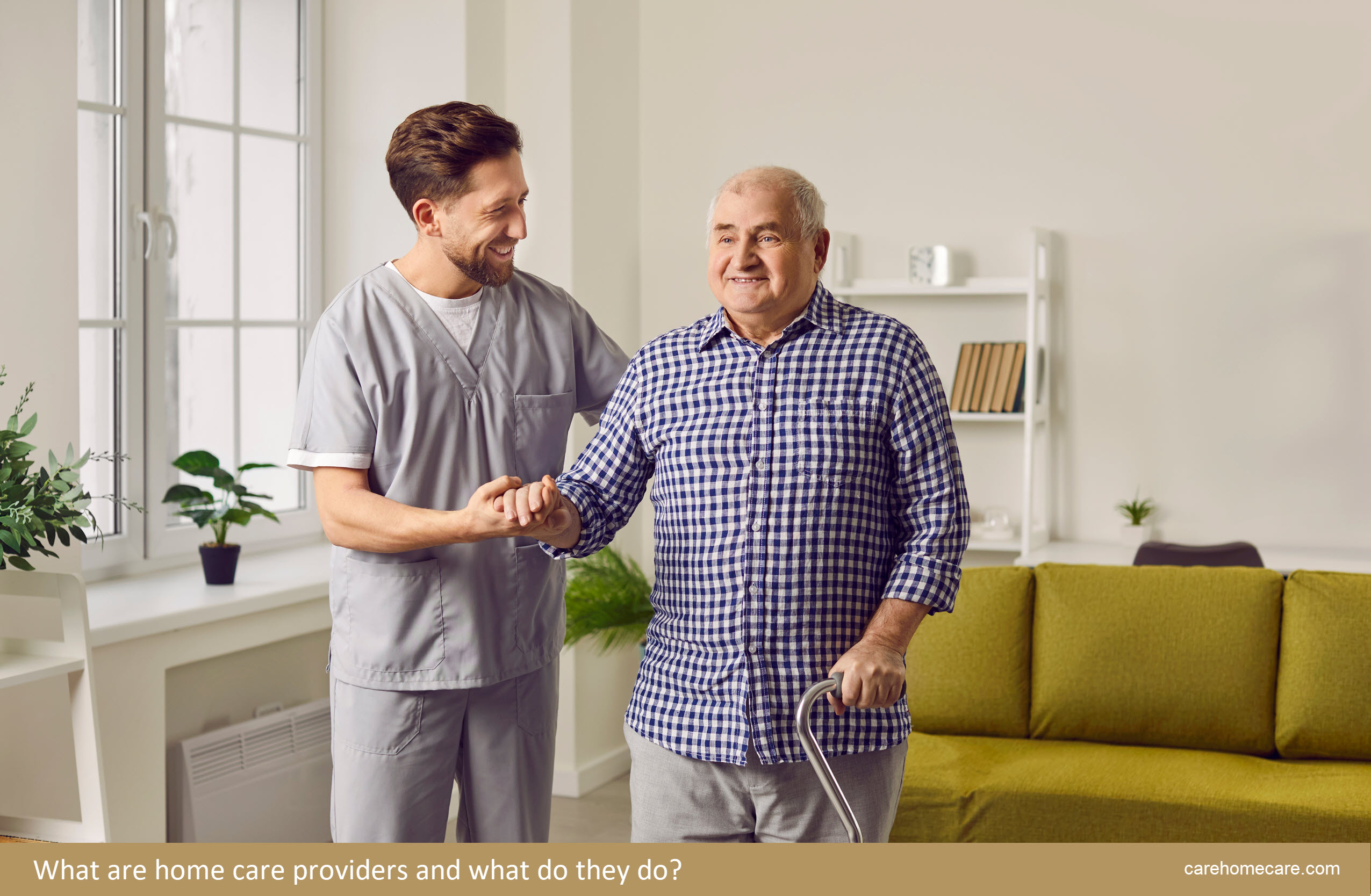
What do home care providers offer? Home care providers offer non-medical support that helps people live safely and comfortably at home. These professionals assist with daily routines, help reduce loneliness, and give family caregivers much-needed relief.
It’s common to hear different terms used interchangeably – personal care aides, in-home caregivers, homemakers – but they all describe those who help with daily living rather than deliver skilled medical treatments.
How is home care different than home health care? Home care differs from home health care, which requires licensed nurses, therapists, or clinicians to perform services like wound care, injections, or therapy sessions under a doctor’s prescription. The U.S. Bureau of Labor Statistics defines personal care aides as workers who assist clients with activities of daily living and offer companionship rather than clinical care.
Whether someone needs a few hours of help each week or ongoing assistance every day, in-home caregivers provide the support that keeps life moving forward.
Daily Personal Care Assistance
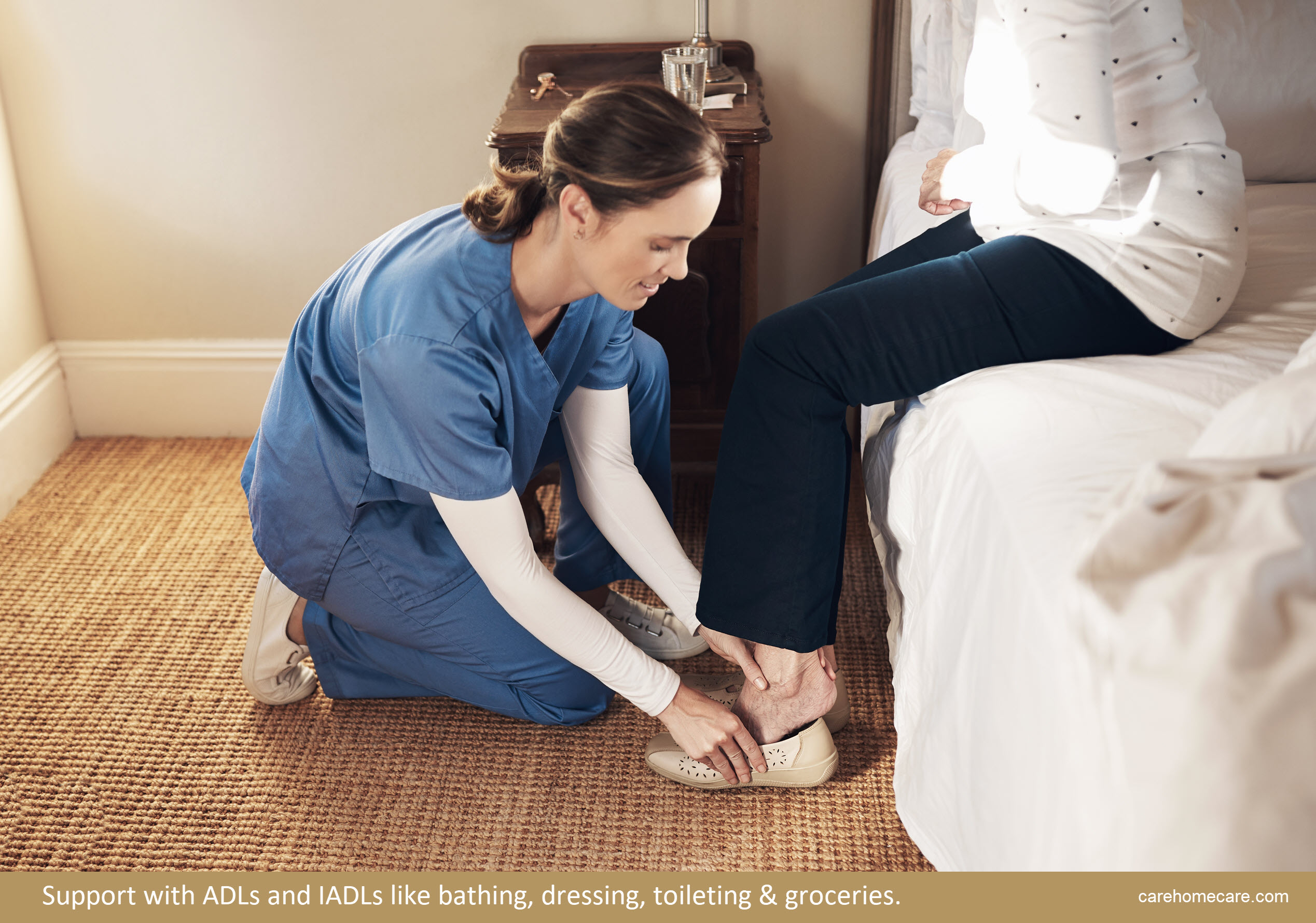
One of the most common reasons families hire a home care provider is help with Activities of Daily Living (ADLs). ADLs are tasks essential for health and hygiene, such as:
– Bathing and personal hygiene
– Dressing
– Toileting
– Eating assistance
– Mobility, like transferring from bed to chair
Along with ADLs, many people also need help with Instrumental Activities of Daily Living (IADLs). These tasks support a safe and comfortable household. Examples include:
– Grocery shopping and picking up prescriptions
– Reminders to take medications on schedule
– Light housekeeping and laundry
– Transportation to medical appointments or social outings
– Preparing meals that match dietary needs
At CARE Homecare, clients across Los Angeles and Orange County rely on these services to maintain their independence. For example, a caregiver may visit each morning to assist with bathing and breakfast, return later to help with errands, and spend time in the afternoon keeping the client engaged in conversation or hobbies.
These supports often make the difference between staying safely at home or needing to move to a care facility. For more details about ADLs and IADLs, visit the National Institute on Aging.

Emotional Support and Companionship
Home care providers offer more than practical help. They bring connection and companionship that strengthen emotional well-being.
Social isolation is common among older adults, and it carries serious health risks. According to the CDC, loneliness increases the risk of dementia and heart disease.
A trusted caregiver can ease these challenges by:
– Sharing daily conversations and stories
– Playing board games or listening to music together
– Assisting with hobbies like gardening or art projects
– Encouraging participation in community or family activities
These interactions build trust and brighten each day. Over time, many clients see their caregiver as an extended part of the family, offering reassurance and companionship that improves their quality of life.
Specialized Care for Memory Loss and Chronic Conditions
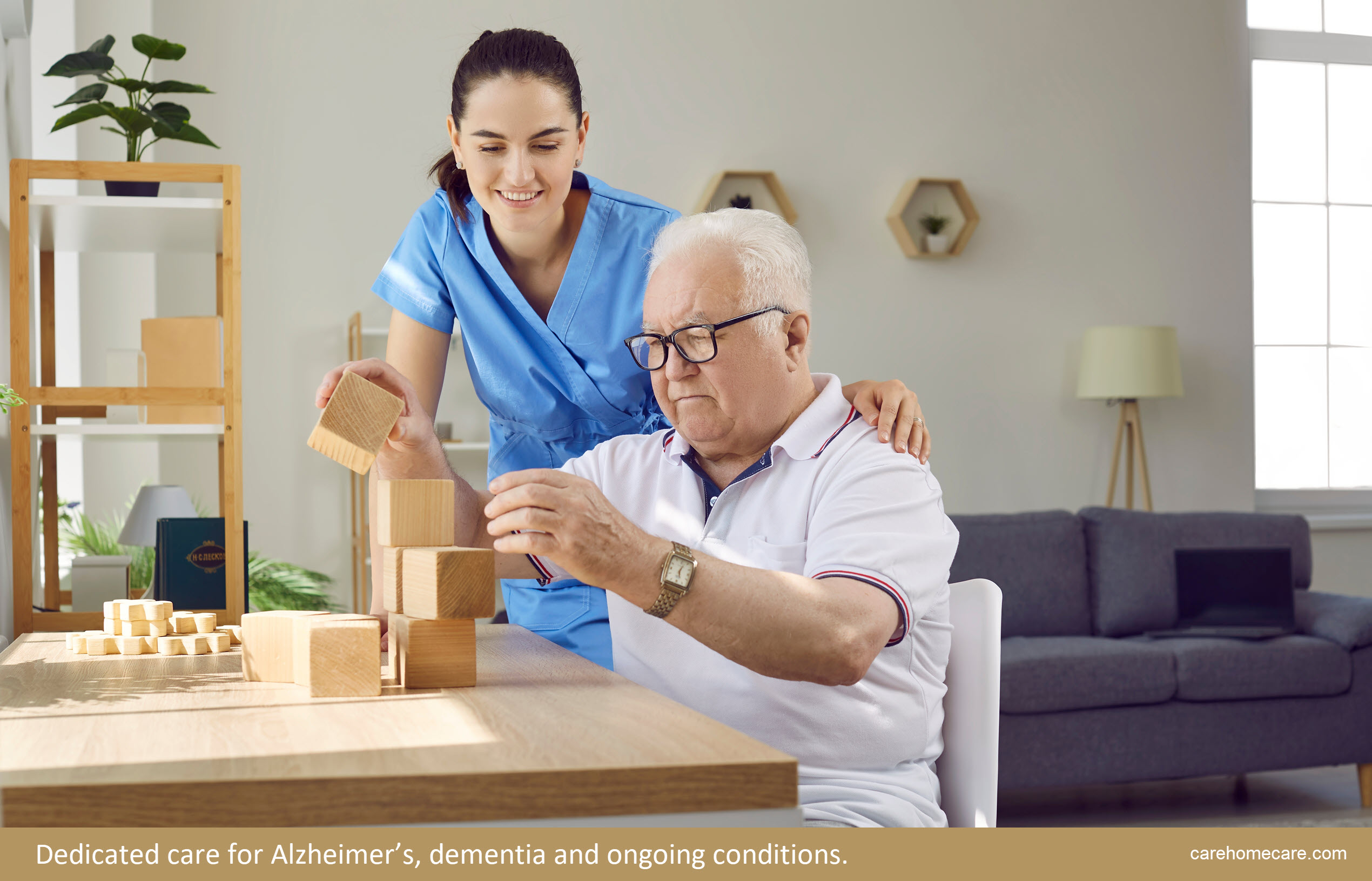
People living with Alzheimer’s, dementia, or chronic illnesses often need extra help to remain safe at home. CARE Homecare’s team includes caregivers trained in techniques that promote comfort and reduce anxiety.
For memory loss, structured routines and gentle reminders can help a person feel more secure. Caregivers use calm redirection when confusion arises, assist with daily tasks, and monitor changes in behavior.
Chronic conditions such as arthritis, Parkinson’s, and COPD also call for thoughtful support. Care plans may include:
– Assistance with movement to prevent falls
– Help using adaptive equipment
– Encouragement to participate in light exercises
– Observing and documenting any changes in symptoms
These services combine respect for each person’s abilities with the goal of maintaining independence for as long as possible. Learn more about specialized Alzheimer’s and dementia home care services offered by CARE Homecare.

Coordinating with Health Professionals
While home care providers do not offer medical treatments, they play an important part in a person’s care team.
Caregivers often:
– Share observations about changes in health or behavior with family and healthcare professionals
– Help clients remember medical appointments
– Provide reminders to take prescribed medications
– Collaborate with hospice or home health agencies when medical care is needed
This coordination helps families stay informed and ensures that health concerns are addressed quickly. For an overview of what Medicare covers in home health services, visit Medicare.gov Home Health Services.
Who Delivers In-Home Care?
At CARE Homecare, caregivers are carefully screened and trained before they enter a client’s home. Each must complete background checks and demonstrate a commitment to compassionate care.

While home care aides are not required to hold a nursing license, they may have other certifications such as Certified Nursing Assistant (CNA) or Home Health Aide (HHA). They also complete regular training in topics like infection control, dementia support, and safe transfer techniques.
This differs from home health care, where services are provided by licensed nurses, therapists, or physicians. To learn about California’s standards for in-home supportive services, see the California Department of Social Services IHSS.

When Home Care May Be the Right Choice
Home care supports a wide range of situations, such as:
- Recovery after surgery or illness, when help is needed with bathing, meals, or mobility
- Managing a chronic condition while maintaining daily routines
- Early-stage dementia, when familiar surroundings can ease anxiety
- Family caregivers needing respite and peace of mind
CARE Homecare offers assessments to help determine which services fit best. Whether someone needs occasional support or daily visits, personalized plans are created to match each individual’s goals and preferences.
Home care providers deliver practical help and companionship that allow older adults and those with health challenges to remain in the comfort of home. Their work helps people feel respected, safe, and connected to the life they love.
If you are exploring options for your loved one, CARE Homecare is here to answer questions and guide you through every step.
To learn more or schedule a consultation, visit our Contact Page or call us at (323) 851-1422.
SoCal Home Care Support
CARE Homecare offers home care services across Los Angeles and Orange Counties!
Call CARE Homecare at (323) 851-1422 to schedule a complimentary care assessment. Our team is here to help your family make confident decisions about in-home support.
 https://carehomecare.com/wp-content/uploads/2026/05/Post-Surgery-Home-Care-Checklist-Non-Medical-Support-for-Recovery-at-Home-Free-PDF-and-Word-Download.jpg
839
1315
Moti Gamburd
https://a81019caredemo.wpengine.com/wp-content/uploads/2019/08/CARE-Homecare-Logo-wht.png
Moti Gamburd2026-05-14 20:03:392026-05-14 20:03:39Free Post-Surgery Home Care Checklist | Non-Medical Support for Recovery at Home | PDF or Word Print or Download
https://carehomecare.com/wp-content/uploads/2026/05/Post-Surgery-Home-Care-Checklist-Non-Medical-Support-for-Recovery-at-Home-Free-PDF-and-Word-Download.jpg
839
1315
Moti Gamburd
https://a81019caredemo.wpengine.com/wp-content/uploads/2019/08/CARE-Homecare-Logo-wht.png
Moti Gamburd2026-05-14 20:03:392026-05-14 20:03:39Free Post-Surgery Home Care Checklist | Non-Medical Support for Recovery at Home | PDF or Word Print or Download https://carehomecare.com/wp-content/uploads/2026/05/Home-Care-Supplies-Preparation-Checklist.jpg
842
1316
Moti Gamburd
https://a81019caredemo.wpengine.com/wp-content/uploads/2019/08/CARE-Homecare-Logo-wht.png
Moti Gamburd2026-05-14 18:49:452026-05-14 18:49:45Home Care Supplies Checklist | What to Have Ready Before Care Starts | Free Printable PDF
https://carehomecare.com/wp-content/uploads/2026/05/Home-Care-Supplies-Preparation-Checklist.jpg
842
1316
Moti Gamburd
https://a81019caredemo.wpengine.com/wp-content/uploads/2019/08/CARE-Homecare-Logo-wht.png
Moti Gamburd2026-05-14 18:49:452026-05-14 18:49:45Home Care Supplies Checklist | What to Have Ready Before Care Starts | Free Printable PDF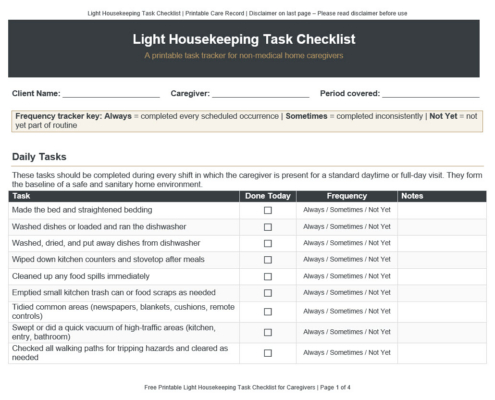 https://carehomecare.com/wp-content/uploads/2026/05/Light-Housekeeping-Checklist-for-Home-Caregivers-1.jpg
832
1080
Moti Gamburd
https://a81019caredemo.wpengine.com/wp-content/uploads/2019/08/CARE-Homecare-Logo-wht.png
Moti Gamburd2026-05-13 11:11:172026-05-14 02:13:21Light Housekeeping Checklist for Home Caregivers | Free Printable PDF
https://carehomecare.com/wp-content/uploads/2026/05/Light-Housekeeping-Checklist-for-Home-Caregivers-1.jpg
832
1080
Moti Gamburd
https://a81019caredemo.wpengine.com/wp-content/uploads/2019/08/CARE-Homecare-Logo-wht.png
Moti Gamburd2026-05-13 11:11:172026-05-14 02:13:21Light Housekeeping Checklist for Home Caregivers | Free Printable PDF https://carehomecare.com/wp-content/uploads/2026/05/Home-Safety-Checklist-for-Seniors-Free-Printable-Room-by-Room-Guide-PDF-Download.jpg
804
1042
Moti Gamburd
https://a81019caredemo.wpengine.com/wp-content/uploads/2019/08/CARE-Homecare-Logo-wht.png
Moti Gamburd2026-05-12 01:27:302026-05-13 02:09:16Home Safety Checklist for Seniors | Room by Room (Free Printable PDF)
https://carehomecare.com/wp-content/uploads/2026/05/Home-Safety-Checklist-for-Seniors-Free-Printable-Room-by-Room-Guide-PDF-Download.jpg
804
1042
Moti Gamburd
https://a81019caredemo.wpengine.com/wp-content/uploads/2019/08/CARE-Homecare-Logo-wht.png
Moti Gamburd2026-05-12 01:27:302026-05-13 02:09:16Home Safety Checklist for Seniors | Room by Room (Free Printable PDF) https://carehomecare.com/wp-content/uploads/2026/05/In-Home-Care-Agency-Checklist-Questions-to-Ask-Before-You-Hire.jpg
831
1078
Moti Gamburd
https://a81019caredemo.wpengine.com/wp-content/uploads/2019/08/CARE-Homecare-Logo-wht.png
Moti Gamburd2026-05-04 01:29:142026-05-13 02:07:13In-Home Care Agency Checklist | Questions to Ask Before You Hire
https://carehomecare.com/wp-content/uploads/2026/05/In-Home-Care-Agency-Checklist-Questions-to-Ask-Before-You-Hire.jpg
831
1078
Moti Gamburd
https://a81019caredemo.wpengine.com/wp-content/uploads/2019/08/CARE-Homecare-Logo-wht.png
Moti Gamburd2026-05-04 01:29:142026-05-13 02:07:13In-Home Care Agency Checklist | Questions to Ask Before You Hire https://carehomecare.com/wp-content/uploads/2026/05/Dementia-Daily-Caregiver-Checklist-Free-Printable-PDF-for-Home-Care.jpg
831
1078
Moti Gamburd
https://a81019caredemo.wpengine.com/wp-content/uploads/2019/08/CARE-Homecare-Logo-wht.png
Moti Gamburd2026-05-03 00:17:592026-05-13 02:09:49Dementia Daily Caregiver Checklist | Free Printable PDF for Home Care
https://carehomecare.com/wp-content/uploads/2026/05/Dementia-Daily-Caregiver-Checklist-Free-Printable-PDF-for-Home-Care.jpg
831
1078
Moti Gamburd
https://a81019caredemo.wpengine.com/wp-content/uploads/2019/08/CARE-Homecare-Logo-wht.png
Moti Gamburd2026-05-03 00:17:592026-05-13 02:09:49Dementia Daily Caregiver Checklist | Free Printable PDF for Home Care https://carehomecare.com/wp-content/uploads/2026/05/ADL-IADL-Checklist-for-Seniors-Free-Printable-Assessment-PDF-Download.jpg
795
1041
Moti Gamburd
https://a81019caredemo.wpengine.com/wp-content/uploads/2019/08/CARE-Homecare-Logo-wht.png
Moti Gamburd2026-05-01 17:41:202026-05-13 02:10:25ADL / IADL Checklist for Seniors - Free Printable Assessment (PDF Download)
https://carehomecare.com/wp-content/uploads/2026/05/ADL-IADL-Checklist-for-Seniors-Free-Printable-Assessment-PDF-Download.jpg
795
1041
Moti Gamburd
https://a81019caredemo.wpengine.com/wp-content/uploads/2019/08/CARE-Homecare-Logo-wht.png
Moti Gamburd2026-05-01 17:41:202026-05-13 02:10:25ADL / IADL Checklist for Seniors - Free Printable Assessment (PDF Download)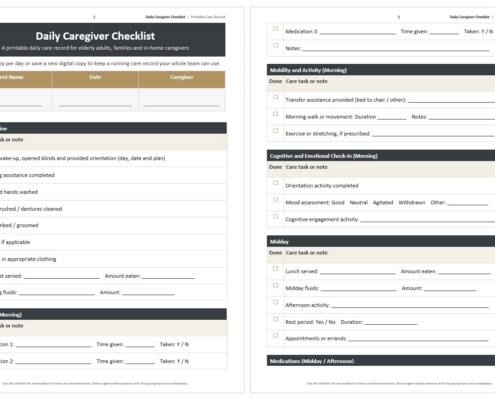 https://carehomecare.com/wp-content/uploads/2026/05/Free-Printable-Caregiver-Daily-Checklist-for-Elderly-PDF-Download.jpg
877
1352
Moti Gamburd
https://a81019caredemo.wpengine.com/wp-content/uploads/2019/08/CARE-Homecare-Logo-wht.png
Moti Gamburd2026-04-21 16:12:122026-05-14 02:01:30Free Printable Caregiver Daily Checklist for Elderly (PDF Download)
https://carehomecare.com/wp-content/uploads/2026/05/Free-Printable-Caregiver-Daily-Checklist-for-Elderly-PDF-Download.jpg
877
1352
Moti Gamburd
https://a81019caredemo.wpengine.com/wp-content/uploads/2019/08/CARE-Homecare-Logo-wht.png
Moti Gamburd2026-04-21 16:12:122026-05-14 02:01:30Free Printable Caregiver Daily Checklist for Elderly (PDF Download) https://carehomecare.com/wp-content/uploads/2026/03/24-7-vs-12-Hour-Shifts-for-Home-Care.jpg
1706
2553
Mendy Perlman
https://a81019caredemo.wpengine.com/wp-content/uploads/2019/08/CARE-Homecare-Logo-wht.png
Mendy Perlman2026-03-14 03:46:542026-03-15 03:52:2924/7 vs 12-Hour Shifts for Home Care - Coverage Models to Compare
https://carehomecare.com/wp-content/uploads/2026/03/24-7-vs-12-Hour-Shifts-for-Home-Care.jpg
1706
2553
Mendy Perlman
https://a81019caredemo.wpengine.com/wp-content/uploads/2019/08/CARE-Homecare-Logo-wht.png
Mendy Perlman2026-03-14 03:46:542026-03-15 03:52:2924/7 vs 12-Hour Shifts for Home Care - Coverage Models to Compare
