
Contents
Free Printable Caregiver Daily Checklist for Elderly (PDF Download)
A free daily care log for elderly loved ones covering medications, meals, mobility, and more – so every caregiver stays on the same page and nothing gets missed.
Download or Print the Caregiver Daily Checklist
Most caregiving mistakes don’t happen because someone stopped caring. They happen because there was no system. This checklist gives every task, medication, meal, and observation a dedicated place on paper so the mental load comes off your shoulders and nothing slips through on a hard day.
It’s designed for family caregivers managing care at home, professional aides working with elderly clients, and anyone coordinating care across multiple people or shifts.
Tip: Print one copy per day, laminate a master copy to fill in with a dry-erase marker, or use a PDF reader that supports typing to complete it digitally.

There is a specific kind of exhaustion that comes with caring for an aging parent or loved one. It is not just the physical demands. It is the mental weight of holding everything at once: the medications, the meals, the appointments, the moods, the worries. You forget whether your father took his blood pressure pill at noon or whether you just thought about giving it to him. You realize at 4pm that your mother has not had anything to drink since breakfast. You lie awake running through tomorrow’s list, terrified you will drop something important.
This is what caregiving without a system feels like. And it is how the most devoted, loving caregivers end up burning out, not because they stopped caring, but because the mental load became unsustainable.
A daily caregiver checklist does not solve everything. But it does something quietly powerful: it takes the mental weight of remembering off your shoulders and puts it on paper. Every task, every reminder, every observation has a place. You stop trying to hold it all in your head. You start showing up for your loved one with more presence and less panic.
This page is for family caregivers managing care at home, professional aides working with elderly clients, and anyone coordinating care across a team of family members or paid helpers. Below you will find everything you need to build and use an effective daily caregiver checklist, including free printable PDF and Word downloads you can edit and use starting today.
In-home care support across Los Angeles and Orange County by CARE Homecare
A checklist helps you track the details. Professional caregivers help you manage them. CARE Homecare provides flexible in-home care throughout Los Angeles and Orange County, including structured daily support that keeps routines consistent and takes the mental load off family members.
Families often start with a few hours per week to cover morning routines, medication reminders, and meals, then adjust as needs evolve. If your loved one is living with memory loss or cognitive decline, explore our Alzheimer’s and dementia care services for specialized daily support built around their routine.
If you’re not sure what non-medical caregiving can actually cover day to day, this breakdown of what home care providers do makes it easier to match the right support to real needs.

Why Family Caregivers Need a Daily Checklist
According to the 2025 Caregiving in the US report by AARP and the National Alliance for Caregiving, approximately 63 million Americans now serve as unpaid family caregivers, representing nearly one in four adults in the United States. Most of them did not plan for this role. They stepped into it gradually, then found themselves responsible for tasks they had never been trained for, with no clear system and no backup.
The result is a form of cognitive overload that researchers call “caregiver burden.” Every task that has to be remembered takes up mental bandwidth. Every missed task generates guilt. Every unexpected change in routine creates anxiety. Over time, the cumulative effect on a caregiver’s health, relationships, and emotional stability is significant.
A daily checklist addresses this problem directly. Here is what it actually does for caregivers:
It reduces cognitive load. When tasks are written down and organized, your brain is no longer serving as the sole storage system. You can stop mentally rehearsing the list and focus on the person in front of you.
It prevents missed tasks. Medication reminders, fluid intake, skin checks, and appointment notes are easy to overlook in a busy day. A checklist creates a reliable system that does not depend on memory or mood.
It creates documentation. A completed daily checklist is a care record. If another caregiver takes over, if a physician asks about recent symptoms, or if a family member wants to know how things have been going, the checklist answers those questions without anyone having to reconstruct events from memory.
It builds consistency for the person receiving care. For seniors, especially those with dementia, Alzheimer’s disease, or anxiety, a predictable routine reduces confusion and behavioral disturbance. The checklist enforces that routine even when multiple caregivers are involved.
It protects the caregiver legally and professionally. For paid caregivers and home care agencies, a completed daily log provides documentation of the care provided. This matters in situations involving insurance, dispute resolution, or care coordination.

What to Include in a Caregiver Daily Checklist for Elderly
The right caregiver checklist is not a generic form. It reflects the specific person receiving care, the scope of the caregiver’s role, and the rhythm of that household. That said, most effective daily checklists for elderly care share a common structure. The following categories represent the core components every checklist should address.
Morning Routine
The morning sets the tone for the entire day. For many older adults, particularly those with cognitive changes, a consistent and unhurried morning routine reduces anxiety and creates a sense of safety.
Waking the person gently, opening curtains to let in natural light, and providing brief orientation to the day are natural first steps. Orientation is especially important for those with dementia or memory loss: a simple verbal or written reminder of the day, date, and what is planned helps the brain get organized.
Toileting assistance comes next. For seniors with limited mobility or incontinence, early morning toileting is a priority. This is also the time to check for any skin concerns, particularly in areas prone to pressure sores or rash.
Personal hygiene follows. This includes washing the face and hands, brushing teeth or cleaning dentures, combing hair, and shaving if appropriate. Oral hygiene is frequently neglected in elderly care, yet research published in Gerodontology has found that poor oral hygiene is directly associated with aspiration pneumonia, a leading cause of illness and death in older adults. The checklist ensures oral care is never skipped.
Dressing comes after hygiene. Caregivers should lay out appropriate clothing for the weather and assist as needed based on the person’s mobility and cognitive level. Allowing the person to make choices when possible, even choosing between two shirt options, preserves dignity and independence.
Breakfast closes the morning routine. The checklist should note what was served, how much was eaten, and any concerns about appetite or swallowing.
Medication Reminders
Medication management is one of the most consequential responsibilities in elderly home care. Older adults frequently take multiple medications with complex schedules, and errors, whether missing a dose, double-dosing, or taking the wrong medication, can have serious health consequences.
It is important to clarify scope here. Non-medical home caregivers provide medication reminders, not medication administration in a clinical sense. They prompt the person to take their medication at the scheduled time, observe that the person takes it, and log the time. They do not administer injections, manage IV lines, or make clinical decisions about dosing. If the scope of medication management exceeds this, a licensed home health provider is required. It is also worth noting that scope-of-practice rules for non-medical caregivers vary by state. In California, the regulations governing what non-licensed caregivers may and may not do are set by the California Department of Social Services. Families and agencies operating in California should verify current guidelines directly with CDSS or a licensed care professional.
The checklist should include each medication by name and scheduled time, a checkbox confirming the reminder was given and the medication taken, and a notes field for any refusals or observations. For more on how professional caregivers handle this within their scope, see our medication assistance and reminders service page.
Nutrition and Hydration
Malnutrition and dehydration are among the most common and most preventable health problems in elderly adults living at home. Research drawing on data from Alzheimer’s Disease International notes that undernutrition affects up to 10 percent of older people living at home, and that the risk of malnutrition is substantially higher for those receiving home care. Many older adults experience reduced thirst sensation and decreased appetite, which means they can become dehydrated or undernourished without showing obvious signs.
The checklist should track three meals and fluid intake across the day. A simple tally, such as number of glasses of water or other fluids consumed, helps identify patterns. Note changes in appetite, refusals, food preferences, and any difficulty chewing or swallowing, as these can indicate dental problems, medication side effects, or early signs of illness.
If the person has specific dietary restrictions due to diabetes, heart disease, kidney disease, or dysphagia, those constraints should be noted at the top of the checklist and built into meal planning. Our meal planning and preparation service covers how professional caregivers support nutrition within the home.
Mobility and Activity
Physical movement, even modest amounts, is critical for maintaining strength, circulation, and mood in elderly adults. The checklist should include prompts for:
Safe transfers, which involve moving the person from bed to chair, chair to toilet, or any other position change. Transfers are a high-risk moment for falls and should be approached consistently with proper technique every time.
Short walks, whether around the home, to the mailbox, or in the yard, depending on the person’s mobility. Even five or ten minutes of walking provides meaningful benefit.
Light stretching or prescribed exercises, if a physical therapist has provided a home exercise program. The checklist is an effective way to ensure these exercises happen consistently, not just on good days. CARE Homecare’s exercise and strengthening service supports caregivers in keeping clients moving safely.
Activity engagement, such as time outside, a short outing, or simple household involvement like folding towels or watering plants. Meaningful activity reduces boredom and supports cognitive health.
Emotional and Cognitive Check-In
Physical care is only part of the picture. Emotional and cognitive wellbeing are equally important, and they are often the first things dropped when caregivers feel rushed or overwhelmed.
Each day’s checklist should include a prompt for a brief check-in: How does the person seem today? Are they engaged and responsive, or withdrawn and flat? Is their mood consistent with recent days, or has something shifted?
Cognitive engagement activities should also be included. These do not need to be formal. Looking through a photo album together, listening to music from the person’s era, having a brief conversation about a memory, or watching a familiar television program all provide meaningful stimulation. For those with dementia or Alzheimer’s, these moments of connection are often the most valuable part of the day. Our Alzheimer’s and dementia care service is built around this kind of consistent, relationship-centered daily support.
Afternoon Tasks
The afternoon portion of the checklist covers lunch, a rest period if typical for the person, any scheduled appointments or errands, and any afternoon activities. This is also a good time to check on hydration, since many people drink less in the middle of the day.
If the person has afternoon visitors, therapy sessions, or community programs, these should be noted and any preparation required should be included as a checklist item.
Evening Routine
The evening routine mirrors the morning in its importance. Consistency at end of day supports healthy sleep patterns, which are frequently disrupted in older adults. The checklist should include:
Dinner and evening hydration. The last meal of the day is important for overnight stability, particularly for those who are diabetic or on medications that require food.
Evening hygiene. This includes washing up, oral care, and changing into nightwear. For those who prefer evening bathing or showering, this is when that should occur.
Preparing the bedroom for sleep. Check that the room is at a comfortable temperature, nightlights are on, a path to the bathroom is clear, and the phone or emergency device is within reach.
A brief evening check-in. How did the day go? Is there anything the person needs before the caregiver leaves or the overnight period begins?
Health Observation Notes
The daily checklist should include a running section for health observations. This does not require medical training. It requires consistent attention and honest documentation.
Observations worth noting include: any new bruises, skin redness, or wounds; complaints of pain; changes in elimination patterns; unusual fatigue or lethargy; confusion that seems different from the person’s baseline; any falls or near-falls; and changes in color, temperature, or swelling in the extremities.
These notes are not a diagnosis. They are data. Over time, they help caregivers, families, and healthcare providers see patterns that might otherwise go unnoticed until a problem becomes serious.
Household Tasks
Non-medical home care typically includes light housekeeping as part of the daily routine. The checklist should include the household tasks assigned to the caregiver’s role, such as washing dishes after meals, wiping down kitchen surfaces, keeping pathways clear of clutter, taking out trash, and completing any laundry that has accumulated. For a full breakdown of what falls within scope, see our light housekeeping checklist for caregivers.
How to Personalize the Checklist for Your Loved One
No two elderly adults have the same needs, and a checklist that works well for one person may be incomplete or irrelevant for another. Personalizing the checklist is not a one-time event. It is an ongoing process that should evolve as the person’s needs change.
Start by considering the person’s current abilities and limitations. A senior who is mostly independent with mobility needs different prompts than one who requires full transfer assistance. Someone with early-stage memory loss needs orientation prompts and cognitive engagement built into their routine. Someone with incontinence needs personal care checks and supply management built in. Someone with diabetes needs blood glucose tracking and dietary consistency as non-negotiable checklist items.
If possible, involve the person receiving care in building their checklist. Even a small amount of input, such as choosing the time they prefer to shower or the activities they want included in the afternoon, reinforces their dignity and sense of control. For those who cannot actively participate due to cognitive decline, input from family members who know the person’s history, preferences, and personality is equally valuable.
Once built, the checklist should be kept somewhere visible and accessible. A binder at the care station, a laminated sheet on the refrigerator, or a digital version shared across the care team all work. What matters is that every caregiver, whether family or professional, is working from the same list.
Revisit and revise the checklist at least once a month, and sooner whenever there is a significant change: a hospitalization, a new diagnosis, a medication change, a fall, or a notable shift in cognition or behavior. A professional home care agency can assist with building and updating a care plan that informs the checklist. For help understanding what level of support your loved one may need, our ADL and IADL checklist is a useful starting point.
Morning, Afternoon, and Evening: A Sample Daily Schedule
Understanding how a well-structured caregiving day actually flows makes it easier to use a checklist effectively. The following is a sample schedule for an elderly adult receiving in-home non-medical care. It is a starting point, not a prescription. Every person is different, and the best schedule is one that fits their natural rhythms and preferences.
7:30 AM – The caregiver arrives. The home is quiet. She opens the blinds in the bedroom gently and greets the client by name with a calm, warm voice. She mentions the day and date and briefly describes what the morning will look like. For someone living with early Alzheimer’s, this simple orientation anchors the start of the day.
7:45 AM – Morning hygiene. Toileting, face washing, teeth brushing, hair combing. The caregiver moves through these tasks at the client’s pace, not hers. She hands objects rather than taking over where possible.
8:15 AM – Breakfast. Oatmeal with fruit and a full glass of water. The caregiver notes that the client ate about two-thirds of the bowl and seemed less hungry than usual. This goes in the notes section.
8:45 AM – Medication reminder. The client takes his morning medications with a second glass of water. The caregiver checks off each one on the medication list.
9:15 AM – Morning activity. They look through a photo album together. The client talks for several minutes about a trip he took decades ago. He is animated. The caregiver notes that his mood this morning is good.
10:00 AM – Light walk around the backyard. Fifteen minutes. Slow pace. The client uses his cane. No falls or near-falls.
11:00 AM – Rest period. The caregiver uses this time to tidy the kitchen, start a load of laundry, and update the care log.
12:00 PM – Lunch. Soup and a sandwich. The client drinks another glass of water and asks whether his daughter is coming today. The caregiver confirms the visit for later in the afternoon. His demeanor lifts.
1:00 PM – Afternoon rest. The client naps for about an hour in his recliner.
2:30 PM – Light cognitive activity. The caregiver has brought a simple puzzle. They work on it together. The client manages several pieces independently.
3:30 PM – Daughter visits. Caregiver gives a brief verbal update and shows the completed checklist. The daughter reviews the health observation notes.
5:00 PM – Evening hygiene and dinner preparation. The caregiver helps with washing up, assists with getting into more comfortable clothing, and begins preparing dinner.
6:00 PM – Dinner and evening medication reminder.
6:45 PM – Wind-down. Familiar television program. Nightlight on in the bathroom. A brief check-in before the caregiver leaves: how is he feeling, is there anything he needs, does he have his phone and his alert device within reach?
7:00 PM – End of shift. The caregiver completes the day’s checklist, signs the care log, and prepares notes for tomorrow’s caregiver.
This kind of day is not perfect every time. Moods shift. Routines get interrupted. The checklist does not eliminate unpredictability, but it ensures that the essential tasks and observations get done regardless of what else happens.

Free Printable Caregiver Daily Checklist for Elderly (PDF Download)
The checklist below is designed for non-medical in-home care for elderly adults. It covers all the core categories described above in a clean, printable format. You can fill it in by hand, photocopy it for daily use, or download the PDF version.
Daily Caregiver Checklist
Client Name: _______________ Date: _______________ Caregiver: _______________
Morning Routine
- Gentle wake-up, opened blinds, provided orientation (day, date, plan)
- Toileting assistance completed
- Face and hands washed
- Teeth brushed / dentures cleaned
- Hair combed / groomed
- Shaved (if applicable)
- Dressed in appropriate clothing
- Breakfast served: ____________ Amount eaten: ____________
- Morning fluids: ____________ Amount: ____________
Medications (Morning)
- Medication 1: ____________ Time given: ____________ Taken: Y / N
- Medication 2: ____________ Time given: ____________ Taken: Y / N
- Medication 3: ____________ Time given: ____________ Taken: Y / N
- Notes: ____________
Mobility and Activity (Morning)
- Transfer assistance provided (bed to chair / other): ____________
- Morning walk or movement: Duration ____________ Notes: ____________
- Exercise or stretching (if prescribed): ____________
Cognitive and Emotional Check-In (Morning)
- Orientation activity completed
- Mood assessment: Good Neutral Agitated Withdrawn Other: ____________
- Cognitive engagement activity: ____________
Midday
- Lunch served: ____________ Amount eaten: ____________
- Midday fluids: ____________ Amount: ____________
- Afternoon activity: ____________
- Rest period: Yes No Duration: ____________
- Appointments or errands: ____________
Medications (Midday / Afternoon)
- Medication 1: ____________ Time given: ____________ Taken: Y / N
- Medication 2: ____________ Time given: ____________ Taken: Y / N
- Notes: ____________
Evening Routine
- Dinner served: ____________ Amount eaten: ____________
- Evening fluids: ____________ Amount: ____________
- Evening hygiene: washed up / bath or shower / oral care
- Changed into nightwear
- Bedroom prepared: nightlight on, path to bathroom clear, phone/alert device within reach
- Evening check-in completed: Mood / concerns noted below
Medications (Evening)
- Medication 1: ____________ Time given: ____________ Taken: Y / N
- Medication 2: ____________ Time given: ____________ Taken: Y / N
- Notes: ____________
Household Tasks Completed
- Dishes washed / kitchen wiped down
- Pathways cleared
- Trash emptied (if applicable)
- Laundry: Washed Dried Folded Put away
- Other: ____________
Health Observation Notes
Skin condition (redness, bruising, wounds): ____________
Pain or discomfort reported: ____________
Elimination: Normal Constipation Diarrhea Incontinence noted
Falls or near-falls: ____________
Changes in behavior, cognition, or mood from baseline: ____________
Other observations: ____________
Total fluids for the day: ____________ glasses / cups
Caregiver signature: ____________________ Time completed: ____________________
Tips for Using the Checklist Effectively
Keep it simple and visible. The checklist should be accessible at a glance, not buried in a folder. Post it at the care station, on the refrigerator, or in a binder that stays in the main care area.
Use the checklist in real time, not at the end of the shift. Completing checkboxes as tasks are done is far more accurate than trying to reconstruct the day at the end. It also ensures that nothing gets overlooked simply because the day got busy.
Share it across everyone involved in care. If multiple family members or professional caregivers are involved, they should all use the same checklist format. Consistency makes the documentation meaningful and reduces the chance of duplication or gaps.
Review it weekly. Sit down at the end of each week and look for patterns. Are certain medications frequently being refused? Is appetite consistently poor at dinner? Is the person sleeping more than usual? The checklist turns individual observations into useful information.
Treat missed items as data, not failure. A missed checkbox is not a reason for guilt. It is information. If the same item is being missed repeatedly, that is a signal to look at whether the task is realistic, whether the routine needs adjustment, or whether the care load has grown beyond the current system.
Pair the checklist with a care log. The checklist tracks completion. The care log tracks narrative. Both together give the most complete picture. If you are managing 24-hour care or coordinating multiple caregivers, our 24-hour care documentation logs and checklists provide a full framework for shift-to-shift communication.

When a Daily Checklist Is Not Enough
A daily checklist is a powerful tool, but it has limits. There are situations where the care need has grown beyond what any checklist, or any single person, can adequately manage.
If you are the only caregiver and you are providing care most days of the week without reliable breaks, the checklist may be helping you stay organized, but it is not solving the underlying problem of an unsustainable care load.
If falls are happening, if overnight supervision is needed, if your loved one has become resistant to care or is experiencing significant behavioral changes related to dementia, if you are regularly missing your own medical appointments, losing sleep, or feeling resentful of a role you once embraced without hesitation, these are not signs of failure. They are signs that the care need has grown beyond what one person, or one informal system, can safely contain.
This is the moment to consider professional non-medical home care. A home care agency can provide consistent, trained caregiver support that gives your loved one structured daily care and gives you the relief you need to stay well. Whether that means a few hours a week, full-time coverage, or 24-hour care, professional support makes it possible for families to remain involved in care without sacrificing their own health.
If you are unsure where things stand, our free caregiver burnout self-check worksheet helps you identify the early warning signs before they become a crisis. And if you are already navigating a 24-hour care situation, the 24/7 care daily checklist provides a more comprehensive framework for around-the-clock coverage.
To speak with someone about personalized home care for your loved one in Los Angeles or Orange County, contact CARE Homecare for a free 15-minute consultation. Learn what sets us apart, or reach out and we will help you understand what level of support makes sense and what a care plan built around your loved one’s actual needs looks like.
When the checklist shows you need more support
A checklist tells you what happened. A care team helps make sure it keeps happening, consistently, safely, and without burning out the people who love them most.
CARE Homecare supports families across Los Angeles and Orange County with flexible in-home care plans that bring structure to daily routines, reduce the burden on family caregivers, and keep elderly loved ones safe and comfortable at home.
Talk with our team about care options that fit your loved one’s actual daily needs, whether that means a few hours of support each week or full-time coverage.
Address: 1156 North Gardner Street, West Hollywood, CA 90046
Telephone: (323) 851-1422
Email: info@carehomecare.com
Sources
- AARP and National Alliance for Caregiving. Caregiving in the US 2025. Washington, DC: AARP, July 24, 2025. https://www.aarp.org/pri/topics/ltss/family-caregiving/caregiving-in-the-us-2025/
- Scannapieco FA, Ho AW. “Potential associations between chronic respiratory disease and periodontal disease: analysis of National Health and Nutrition Examination Survey III.” Journal of Periodontology. 2001;72(1):50–56.
- Sjögren P, Nilsson E, Forsell M, Johansson O, Hoogstraate J. “A systematic review of the preventive effect of oral hygiene on pneumonia and respiratory tract infection in elderly people in hospitals and nursing homes: effect estimates and methodological quality of randomized controlled trials.” Gerodontology. 2008;25(1):3–10. https://pubmed.ncbi.nlm.nih.gov/18261707/
- Goldberg L, Crocombe L, et al. “Reducing Aspiration Pneumonia Risk for Older People: Effect of Evidence-Based Oral Care.” Innovation in Aging. 2021;5(Suppl 1). https://www.ncbi.nlm.nih.gov/pmc/articles/PMC8679899/
- Alzheimer’s Disease International. World Alzheimer Report 2014: Dementia and Risk Reduction. Cited in: “Malnutrition and Dehydration.” ATrain Education. https://www.atrainceu.com/content/10-malnutrition-and-dehydration
- Sura L, Madhavan A, Carnaby G, Crary MA. “Dysphagia in the elderly: management and nutritional considerations.” Clinical Interventions in Aging. 2012;7:287–298. https://www.ncbi.nlm.nih.gov/pmc/articles/PMC3426263/
- California Department of Social Services, Community Care Licensing Division. Caregiver scope of practice and non-medical home care regulations. Sacramento, CA: CDSS. https://www.cdss.ca.gov/inforesources/community-care-licensing
Related Resources
- What Are ADLs and IADLs? | Understand your loved one’s functional abilities and where they need support
- ADL and IADL Checklist for Seniors | Assess independence level and identify the right level of care
- Home Safety Checklist for Seniors | Identify and address fall risks and household hazards
- What Do Home care Providers Do? | Understand the full scope of non-medical home care
- What Is Home Care? | A plain-language guide for families new to home care services
Disclaimer: The information on this page is intended for general educational purposes only and does not constitute medical, legal, or professional care advice. The caregiver checklist and sample schedule provided here are illustrative guides and should be adapted to the specific needs of each individual in consultation with their physician, licensed healthcare provider, or qualified care professional. CARE Homecare provides non-medical home care services only. Tasks involving clinical judgment, wound care, medication administration, or skilled nursing require a licensed home health provider. If you have concerns about a loved one’s health or safety, please consult a qualified medical professional.
 https://carehomecare.com/wp-content/uploads/2026/05/Post-Surgery-Home-Care-Checklist-Non-Medical-Support-for-Recovery-at-Home-Free-PDF-and-Word-Download.jpg
839
1315
Moti Gamburd
https://a81019caredemo.wpengine.com/wp-content/uploads/2019/08/CARE-Homecare-Logo-wht.png
Moti Gamburd2026-05-14 20:03:392026-05-14 20:03:39Free Post-Surgery Home Care Checklist | Non-Medical Support for Recovery at Home | PDF or Word Print or Download
https://carehomecare.com/wp-content/uploads/2026/05/Post-Surgery-Home-Care-Checklist-Non-Medical-Support-for-Recovery-at-Home-Free-PDF-and-Word-Download.jpg
839
1315
Moti Gamburd
https://a81019caredemo.wpengine.com/wp-content/uploads/2019/08/CARE-Homecare-Logo-wht.png
Moti Gamburd2026-05-14 20:03:392026-05-14 20:03:39Free Post-Surgery Home Care Checklist | Non-Medical Support for Recovery at Home | PDF or Word Print or Download https://carehomecare.com/wp-content/uploads/2026/05/Home-Care-Supplies-Preparation-Checklist.jpg
842
1316
Moti Gamburd
https://a81019caredemo.wpengine.com/wp-content/uploads/2019/08/CARE-Homecare-Logo-wht.png
Moti Gamburd2026-05-14 18:49:452026-05-14 18:49:45Home Care Supplies Checklist | What to Have Ready Before Care Starts | Free Printable PDF
https://carehomecare.com/wp-content/uploads/2026/05/Home-Care-Supplies-Preparation-Checklist.jpg
842
1316
Moti Gamburd
https://a81019caredemo.wpengine.com/wp-content/uploads/2019/08/CARE-Homecare-Logo-wht.png
Moti Gamburd2026-05-14 18:49:452026-05-14 18:49:45Home Care Supplies Checklist | What to Have Ready Before Care Starts | Free Printable PDF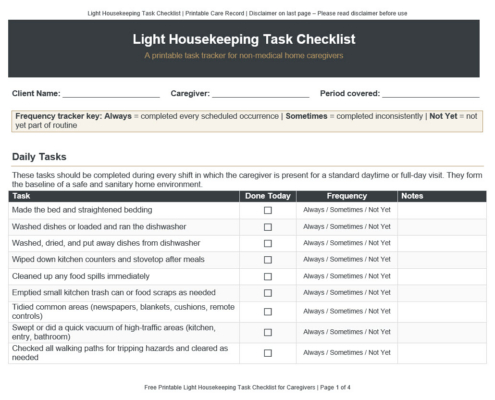 https://carehomecare.com/wp-content/uploads/2026/05/Light-Housekeeping-Checklist-for-Home-Caregivers-1.jpg
832
1080
Moti Gamburd
https://a81019caredemo.wpengine.com/wp-content/uploads/2019/08/CARE-Homecare-Logo-wht.png
Moti Gamburd2026-05-13 11:11:172026-05-14 02:13:21Light Housekeeping Checklist for Home Caregivers | Free Printable PDF
https://carehomecare.com/wp-content/uploads/2026/05/Light-Housekeeping-Checklist-for-Home-Caregivers-1.jpg
832
1080
Moti Gamburd
https://a81019caredemo.wpengine.com/wp-content/uploads/2019/08/CARE-Homecare-Logo-wht.png
Moti Gamburd2026-05-13 11:11:172026-05-14 02:13:21Light Housekeeping Checklist for Home Caregivers | Free Printable PDF https://carehomecare.com/wp-content/uploads/2026/05/Home-Safety-Checklist-for-Seniors-Free-Printable-Room-by-Room-Guide-PDF-Download.jpg
804
1042
Moti Gamburd
https://a81019caredemo.wpengine.com/wp-content/uploads/2019/08/CARE-Homecare-Logo-wht.png
Moti Gamburd2026-05-12 01:27:302026-05-13 02:09:16Home Safety Checklist for Seniors | Room by Room (Free Printable PDF)
https://carehomecare.com/wp-content/uploads/2026/05/Home-Safety-Checklist-for-Seniors-Free-Printable-Room-by-Room-Guide-PDF-Download.jpg
804
1042
Moti Gamburd
https://a81019caredemo.wpengine.com/wp-content/uploads/2019/08/CARE-Homecare-Logo-wht.png
Moti Gamburd2026-05-12 01:27:302026-05-13 02:09:16Home Safety Checklist for Seniors | Room by Room (Free Printable PDF) https://carehomecare.com/wp-content/uploads/2026/05/In-Home-Care-Agency-Checklist-Questions-to-Ask-Before-You-Hire.jpg
831
1078
Moti Gamburd
https://a81019caredemo.wpengine.com/wp-content/uploads/2019/08/CARE-Homecare-Logo-wht.png
Moti Gamburd2026-05-04 01:29:142026-05-13 02:07:13In-Home Care Agency Checklist | Questions to Ask Before You Hire
https://carehomecare.com/wp-content/uploads/2026/05/In-Home-Care-Agency-Checklist-Questions-to-Ask-Before-You-Hire.jpg
831
1078
Moti Gamburd
https://a81019caredemo.wpengine.com/wp-content/uploads/2019/08/CARE-Homecare-Logo-wht.png
Moti Gamburd2026-05-04 01:29:142026-05-13 02:07:13In-Home Care Agency Checklist | Questions to Ask Before You Hire https://carehomecare.com/wp-content/uploads/2026/05/Dementia-Daily-Caregiver-Checklist-Free-Printable-PDF-for-Home-Care.jpg
831
1078
Moti Gamburd
https://a81019caredemo.wpengine.com/wp-content/uploads/2019/08/CARE-Homecare-Logo-wht.png
Moti Gamburd2026-05-03 00:17:592026-05-13 02:09:49Dementia Daily Caregiver Checklist | Free Printable PDF for Home Care
https://carehomecare.com/wp-content/uploads/2026/05/Dementia-Daily-Caregiver-Checklist-Free-Printable-PDF-for-Home-Care.jpg
831
1078
Moti Gamburd
https://a81019caredemo.wpengine.com/wp-content/uploads/2019/08/CARE-Homecare-Logo-wht.png
Moti Gamburd2026-05-03 00:17:592026-05-13 02:09:49Dementia Daily Caregiver Checklist | Free Printable PDF for Home Care https://carehomecare.com/wp-content/uploads/2026/05/ADL-IADL-Checklist-for-Seniors-Free-Printable-Assessment-PDF-Download.jpg
795
1041
Moti Gamburd
https://a81019caredemo.wpengine.com/wp-content/uploads/2019/08/CARE-Homecare-Logo-wht.png
Moti Gamburd2026-05-01 17:41:202026-05-13 02:10:25ADL / IADL Checklist for Seniors - Free Printable Assessment (PDF Download)
https://carehomecare.com/wp-content/uploads/2026/05/ADL-IADL-Checklist-for-Seniors-Free-Printable-Assessment-PDF-Download.jpg
795
1041
Moti Gamburd
https://a81019caredemo.wpengine.com/wp-content/uploads/2019/08/CARE-Homecare-Logo-wht.png
Moti Gamburd2026-05-01 17:41:202026-05-13 02:10:25ADL / IADL Checklist for Seniors - Free Printable Assessment (PDF Download)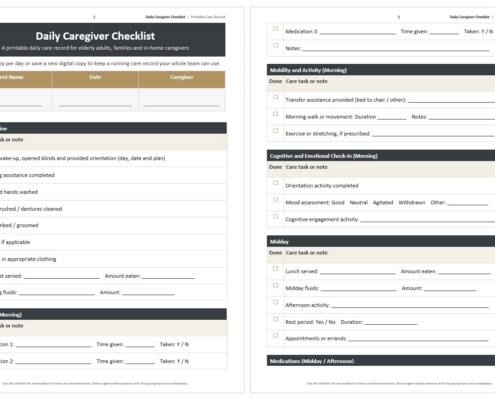 https://carehomecare.com/wp-content/uploads/2026/05/Free-Printable-Caregiver-Daily-Checklist-for-Elderly-PDF-Download.jpg
877
1352
Moti Gamburd
https://a81019caredemo.wpengine.com/wp-content/uploads/2019/08/CARE-Homecare-Logo-wht.png
Moti Gamburd2026-04-21 16:12:122026-05-14 02:01:30Free Printable Caregiver Daily Checklist for Elderly (PDF Download)
https://carehomecare.com/wp-content/uploads/2026/05/Free-Printable-Caregiver-Daily-Checklist-for-Elderly-PDF-Download.jpg
877
1352
Moti Gamburd
https://a81019caredemo.wpengine.com/wp-content/uploads/2019/08/CARE-Homecare-Logo-wht.png
Moti Gamburd2026-04-21 16:12:122026-05-14 02:01:30Free Printable Caregiver Daily Checklist for Elderly (PDF Download) https://carehomecare.com/wp-content/uploads/2026/03/24-7-vs-12-Hour-Shifts-for-Home-Care.jpg
1706
2553
Mendy Perlman
https://a81019caredemo.wpengine.com/wp-content/uploads/2019/08/CARE-Homecare-Logo-wht.png
Mendy Perlman2026-03-14 03:46:542026-03-15 03:52:2924/7 vs 12-Hour Shifts for Home Care - Coverage Models to Compare
https://carehomecare.com/wp-content/uploads/2026/03/24-7-vs-12-Hour-Shifts-for-Home-Care.jpg
1706
2553
Mendy Perlman
https://a81019caredemo.wpengine.com/wp-content/uploads/2019/08/CARE-Homecare-Logo-wht.png
Mendy Perlman2026-03-14 03:46:542026-03-15 03:52:2924/7 vs 12-Hour Shifts for Home Care - Coverage Models to Compare
