
Contents
Light Housekeeping Checklist for Home Caregivers (Free Printable PDF)
A clean, organized home is one of the most practical ways to reduce fall risk and support a senior’s health. Free printable PDF and Word doc included.
Download or Print the Light Housekeeping Task Checklist
Most housekeeping problems in home care do not happen because caregivers are careless. They happen because there is no shared standard. One caregiver changes the linens weekly. Another does it when they notice. A third was never told it was part of the job. The checklist closes that gap.
It covers daily, weekly and monthly tasks in a single printable format, with a frequency tracker that shows at a glance whether each task is being completed consistently, occasionally, or not yet built into the routine.
It is designed for professional caregivers who want a clear task standard, agencies building consistent care routines across multiple caregivers, and families who want documentation that housekeeping is actually happening.
Tip: Review the frequency tracker column at the end of each month. Tasks that consistently show “Sometimes” or “Not Yet” are a signal to revisit the care plan, adjust shift time, or have a direct conversation with the caregiver about priorities.

The free printable PDF or editable Doc are available for download by clicking the buttons below.
“Light housekeeping” is one of the most commonly listed services in non-medical home care. It appears on agency websites, in care plans, and in conversations between families and caregivers. But it is also one of the most frequently misunderstood terms in home care, because nobody ever quite defines it.
What does light housekeeping actually include? What does it not include? And when a caregiver is balancing personal care, meals, medication reminders, and household tasks in a single shift, how do they decide what to prioritize?
This checklist answers all of those questions. It defines the scope of light housekeeping for non-medical home caregivers clearly, organizes tasks by frequency, and gives families and agencies a consistent standard to reference. The checklist includes a frequency tracker so caregivers and supervisors can see at a glance how consistently each task is being completed, and a notes field for anything worth documenting.
The free printable PDF and editable Doc are available for download by clicking the buttons above.
In-home care support across Los Angeles and Orange County by CARE Homecare
A checklist defines the standard. A trained caregiver shows up and meets it, every shift, without being reminded. CARE Homecare provides flexible non-medical in-home care throughout Los Angeles and Orange County, with light housekeeping built into every personalized care plan alongside personal care, meals, medication reminders, and companionship.
To see exactly how housekeeping fits within the broader scope of daily care, visit our light housekeeping service page.

Why a Clean Home Is a Health Issue, Not Just a Comfort Issue
It is easy to frame housekeeping as a comfort issue, something that makes the home nicer to be in. For younger, healthy adults, that framing is roughly accurate. For elderly adults, those recovering from illness or surgery, or those with limited mobility, the cleanliness and organization of the home is a clinical matter.
Clutter causes falls. Objects on the floor, loose rugs, items left on stairs, and cluttered pathways are among the leading environmental contributors to falls in elderly adults. According to the CDC, ‘falls are the leading cause of both fatal and nonfatal injuries among adults aged 65 and older’. A caregiver who regularly clears pathways, removes floor hazards, and keeps the home organized is actively reducing fall risk, not just tidying up.
Dirty kitchens increase infection risk. Food residue on counters and surfaces, unwashed dishes left overnight, and expired food in the refrigerator all create conditions for bacterial growth. For an older adult with a compromised immune system, a foodborne illness that would be a minor inconvenience for a younger person can result in hospitalization.
Spoiled or missing food contributes to malnutrition. Research drawing on data from the Alzheimer’s Disease International report, cited in ATrain Education, notes that undernutrition affects up to 10 percent of older people living at home. A caregiver who checks the refrigerator regularly for spoiled or expired food, keeps the kitchen organized, and ensures supplies are adequately stocked directly supports nutritional health.
Unchanged bedding creates skin and hygiene problems. For a client who spends significant time in bed, or who has limited mobility, regular linen changes are not a nicety. Skin integrity, pressure sore prevention, and basic hygiene all depend on clean, dry bedding being changed on a consistent schedule.
Dust and allergens affect respiratory health. Regular dusting and vacuuming reduce the accumulation of dust mites, pet dander, and allergens that can worsen respiratory conditions common in older adults, including COPD and asthma. Research published in Environmental Health Perspectives by investigators at the National Institute of Environmental Health Sciences found a direct association between higher household dust levels and increased odds of asthma and respiratory wheeze, supporting the clinical value of consistent indoor cleaning.
The case for light housekeeping as part of a non-medical care plan is not about aesthetics. It is about creating and maintaining a home environment where the person receiving care can stay safe, healthy, and comfortable.

What Light Housekeeping Is (and Is Not)
Before building a housekeeping routine, it is essential that both families and caregivers share a clear understanding of what light housekeeping actually means.
Light housekeeping includes: Regular maintenance of a clean, safe, and organized living environment. This means tasks that can be completed within the normal flow of a care shift without specialized equipment, significant physical exertion, or disruption to the primary care responsibilities. Examples include making the bed, washing dishes, wiping counters, vacuuming, mopping, cleaning bathrooms, doing laundry, dusting, and taking out the trash.
Light housekeeping does not include: Deep cleaning of any kind. Moving heavy furniture. Washing windows on ladders or exterior surfaces. Yard work, gardening, or outdoor maintenance. Carpet shampooing or steam cleaning. Cleaning areas of the home that are not used by the client. Tasks that require the caregiver to kneel on hard floors for extended periods, climb ladders or step stools beyond a single step, or lift objects beyond safe physical limits.
This distinction matters for two reasons. First, it protects caregivers from being asked to perform tasks outside their physical safety and job scope. Second, it protects families from building a care plan on unrealistic expectations, then being disappointed when those expectations are not met.
The right approach is to define light housekeeping scope in writing as part of the care plan, agree on it with the family at the start of care, and revisit it whenever there is a significant change in the client’s condition or living situation. In California, the scope of tasks performed by registered Home Care Aides is governed by the CDSS Home Care Services Branch. Families and agencies should ensure all tasks assigned to non-medical caregivers fall within that defined scope.

Light Housekeeping Checklist for Home Caregivers (Free Printable PDF)
The checklist below is organized by task frequency. The frequency tracker records how consistently each task is completed (Always / Sometimes / Not Yet Established), giving supervisors and families an accurate picture of housekeeping standards over time. The notes field captures anything relevant: the client’s preferences, task adaptations, or items that need follow-up.
Light Housekeeping Task Checklist
Client Name: ____________________ Caregiver: ____________________ Period covered: ____________________
Frequency tracker key: Always = completed every scheduled occurrence | Sometimes = completed inconsistently | Not Yet = not yet part of routine
Daily Tasks
These tasks should be completed during every shift in which the caregiver is present for a standard daytime or full-day visit. They form the baseline of a safe and sanitary home environment.
| Task | Done Today | Frequency | Notes |
|---|---|---|---|
| Made the bed and straightened bedding | ☐ | Always / Sometimes / Not Yet | |
| Washed dishes or loaded and ran the dishwasher | ☐ | Always / Sometimes / Not Yet | |
| Washed, dried, and put away dishes from dishwasher | ☐ | Always / Sometimes / Not Yet | |
| Wiped down kitchen counters and stovetop after meals | ☐ | Always / Sometimes / Not Yet | |
| Cleaned up any food spills immediately | ☐ | Always / Sometimes / Not Yet | |
| Emptied small kitchen trash can or food scraps as needed | ☐ | Always / Sometimes / Not Yet | |
| Tidied common areas (newspapers, blankets, cushions, remote controls) | ☐ | Always / Sometimes / Not Yet | |
| Swept or did a quick vacuum of high-traffic areas (kitchen, entry, bathroom) | ☐ | Always / Sometimes / Not Yet | |
| Checked all walking paths for tripping hazards and cleared as needed | ☐ | Always / Sometimes / Not Yet | |
| Wiped down bathroom sink and faucet after use | ☐ | Always / Sometimes / Not Yet | |
| Replaced used towels and facecloths with fresh ones as needed | ☐ | Always / Sometimes / Not Yet |
Weekly Tasks
These tasks should be completed once per week, scheduled into the caregiver’s rotation. For clients receiving care less than five days per week, coordinate with the family or agency to ensure weekly tasks are distributed across available shifts.
| Task | Done This Week | Frequency | Notes |
|---|---|---|---|
| Vacuumed all carpeted areas (without moving furniture) | ☐ | Always / Sometimes / Not Yet | |
| Swept and mopped all hard floor surfaces | ☐ | Always / Sometimes / Not Yet | |
| Cleaned toilet (inside bowl, seat, lid, and exterior) | ☐ | Always / Sometimes / Not Yet | |
| Cleaned bathroom sink and mirror | ☐ | Always / Sometimes / Not Yet | |
| Wiped down tub or shower surfaces | ☐ | Always / Sometimes / Not Yet | |
| Changed bed linens (sheets, pillowcases) | ☐ | Always / Sometimes / Not Yet | |
| Washed, dried, folded, and put away laundry | ☐ | Always / Sometimes / Not Yet | |
| Dusted accessible surfaces (tables, shelves, dressers, windowsills) | ☐ | Always / Sometimes / Not Yet | |
| Wiped down ceiling fan blades (if reachable without climbing) | ☐ | Always / Sometimes / Not Yet | |
| Wiped down bathroom and kitchen fixtures (faucets, handles, light switches) | ☐ | Always / Sometimes / Not Yet | |
| Restocked towels, toilet paper, and soap as needed | ☐ | Always / Sometimes / Not Yet | |
| Cleaned microwave interior | ☐ | Always / Sometimes / Not Yet | |
| Checked refrigerator for expired or spoiled food and removed as needed | ☐ | Always / Sometimes / Not Yet | |
| Took out main household trash and recycling | ☐ | Always / Sometimes / Not Yet |
Monthly Tasks
These tasks should be completed at least once per month. They address accumulation over time rather than daily maintenance and can be divided across multiple shifts in the same week.
| Task | Done This Month | Frequency | Notes |
|---|---|---|---|
| Cleaned refrigerator interior (shelves, drawers, door seals) | ☐ | Always / Sometimes / Not Yet | |
| Wiped down exterior of all kitchen appliances (refrigerator, microwave, toaster) | ☐ | Always / Sometimes / Not Yet | |
| Wiped down cabinet fronts and drawer pulls in kitchen and bathroom | ☐ | Always / Sometimes / Not Yet | |
| Cleaned window sills and interior window tracks | ☐ | Always / Sometimes / Not Yet | |
| Wiped down blinds or dusted shades (accessible, without climbing) | ☐ | Always / Sometimes / Not Yet | |
| Checked pantry and cupboards for expired or stale items | ☐ | Always / Sometimes / Not Yet | |
| Organized a closet, drawer, or storage area as needed | ☐ | Always / Sometimes / Not Yet | |
| Removed accumulated clutter from common areas | ☐ | Always / Sometimes / Not Yet | |
| Checked under beds and in corners for dust accumulation | ☐ | Always / Sometimes / Not Yet |
General notes for this period:
____________________________________________________________
____________________________________________________________
Tasks that need family or supervisor attention:
____________________________________________________________
____________________________________________________________
Caregiver signature: ____________________ Date: ____________________

How to Prioritize Housekeeping Tasks Around Care Duties
A caregiver’s primary responsibility during any shift is the person in their care. Housekeeping is a secondary responsibility that must be scheduled around and after direct care tasks. This means that on a day when personal care takes longer than expected, when a behavioral challenge needs extra time, or when the client is having a difficult morning, housekeeping is the thing that gets deferred, not compressed.
The practical framework for prioritizing housekeeping within a care shift follows three tiers:
Tier 1: Safety. These tasks happen before anything else, because they directly reduce fall and injury risk. Checking and clearing all walking paths, removing tripping hazards, and ensuring the bathroom floor is dry before the client uses it. These take five minutes and cannot be skipped.
Tier 2: Sanitation. These tasks protect health. Washing dishes after meals, wiping down kitchen surfaces, disposing of food scraps, and cleaning up any spills. Left undone, these tasks create conditions for bacterial growth and pest activity that directly affect the client’s health.
Tier 3: Comfort and maintenance. Making the bed, tidying common areas, vacuuming, and doing laundry are important but deferrable on a hard day. They should be completed whenever the shift allows but should not come at the expense of direct care quality.
This tiering also gives caregivers a clear answer when the shift runs long: assess what tier each remaining task falls into and make the call accordingly. Document what was deferred and why.
Adapting the Checklist to the Client’s Needs
No two clients have the same housekeeping needs, and a checklist that works well for one person may need significant adaptation for another. Here are the most common scenarios that require adjustment.
The highly independent client. A senior who is mostly independent in daily tasks may prefer to manage their own tidying and bed-making, wanting the caregiver to focus on the deeper cleaning tasks they cannot manage safely, vacuuming, bathroom cleaning, laundry. In this case, the caregiver’s role shifts from daily maintenance toward weekly tasks, and the care plan should reflect this explicitly.
The client with advanced dementia. For clients who are largely bed-bound or who have limited functional awareness of their environment, daily bed changes may be appropriate rather than weekly. Soiling, skin moisture, and the risk of pressure sores make linen management a clinical priority. The checklist should be adjusted to reflect a more frequent linen change schedule, and this should be documented in the care plan.
The post-surgery or post-hospitalization client. For someone recovering from a procedure, the priority in the first days and weeks at home is a clear, safe environment above all else. The checklist should front-load fall-prevention tasks such as pathway clearing, bathroom safety checks, and floor management, and defer cosmetic tasks until the client is more stable.
The client with respiratory conditions. For clients with COPD, asthma, or significant allergies, regular dusting and vacuuming are not optional. These should be elevated from weekly to more frequent tasks if the client’s condition warrants it, and the caregiver should use unscented cleaning products to avoid respiratory irritation.
These adaptations should always be documented in the care plan and communicated to all caregivers on the rotation.

Light Housekeeping as Part of a Complete Care Plan
Light housekeeping does not stand alone. In a well-built non-medical care plan, it is one component of a comprehensive package of support that also includes personal care, meal planning and preparation, medication reminders, transportation, and companionship. Each of these components supports the others.
A caregiver who keeps the home clean and organized makes personal care safer. A caregiver who manages the kitchen makes nutritional support possible. A caregiver who clears pathways and checks the environment supports fall prevention. These are not separate services, they are a system.
Understanding how these components work together also helps families set realistic expectations for what can be accomplished in a given shift. A two-hour shift focused on personal care and breakfast cannot also include vacuuming the entire home. A four-hour shift allows for personal care, a meal, and most of the daily and several of the weekly housekeeping tasks. Care plans should be built around realistic time allocations.
For a complete breakdown of what non-medical home caregivers do within their scope, see our guide to what home care providers do. For more on the supplies and equipment that support a well-prepared home for caregiving, our home care supplies checklist covers what families should have ready before care begins.
Light housekeeping is also closely integrated with the daily caregiver routine. Our free printable caregiver daily checklist for elderly adults organizes all care tasks, including housekeeping, within the structure of a full care day.
To learn more about CARE Homecare’s light housekeeping service and how it fits within a personalized care plan, visit our light housekeeping service page.
In-home care support across Los Angeles and Orange County by CARE Homecare
A clean, organized home is one of the most practical ways to support a senior’s safety and independence. CARE Homecare provides flexible non-medical in-home care throughout Los Angeles and Orange County, including light housekeeping as part of a personalized daily care plan.
If you are not sure what a complete non-medical care plan covers day to day, see what home care providers do for a plain-language breakdown of every service within scope.
Call (323) 851-1422 Email: info@carehomecare.com
Sources
- Centers for Disease Control and Prevention. “Facts About Falls.” National Center for Injury Prevention and Control. Updated January 2026. https://www.cdc.gov/falls/data-research/facts-stats/index.html
- Centers for Disease Control and Prevention. “Older Adult Falls Data.” Updated 2026. https://www.cdc.gov/falls/data-research/index.html
- Alzheimer’s Disease International. World Alzheimer Report 2014: Dementia and Risk Reduction. Cited in: “Malnutrition and Dehydration.” ATrain Education. https://www.atrainceu.com/content/10-malnutrition-and-dehydration
- Sura L, Madhavan A, Carnaby G, Crary MA. “Dysphagia in the elderly: management and nutritional considerations.” Clinical Interventions in Aging. 2012;7:287–298. https://www.ncbi.nlm.nih.gov/pmc/articles/PMC3426263/
- Elliott L, Arbes SJ, Harvey ES, et al. “Dust Weight and Asthma Prevalence in the National Survey of Lead and Allergens in Housing (NSLAH).” Environmental Health Perspectives. 2007;115(2):215–220. National Institute of Environmental Health Sciences, NIH. https://www.ncbi.nlm.nih.gov/pmc/articles/PMC1817708/
- California Department of Social Services. Home Care Services Branch. “Home Care Services Consumer Protection Act.” https://www.cdss.ca.gov/inforesources/community-care/home-care-services
Related Resources
- What Do Home Care Providers Do? | A complete breakdown of non-medical caregiver responsibilities
- Free Printable Caregiver Daily Checklist for Elderly | Organize all daily care tasks including housekeeping in one printable log
- Home Care Supplies Checklist | What to have ready at home before care begins
- Home Safety Checklist for Seniors | Identify fall hazards and home safety risks room by room
- Light Housekeeping Service | Learn how CARE Homecare provides light housekeeping as part of a personalized care plan
Disclaimer: The information on this page is intended for general educational purposes only and does not constitute medical, legal, or professional care advice. The light housekeeping checklist provided here is a general guide for non-medical home care settings. Specific tasks included in any caregiver’s scope of work should be defined in a written care plan agreed upon by the client, family, and home care agency. CARE Homecare provides non-medical home care services only. If you have concerns about a loved one’s health, safety, or care needs, please consult a qualified care professional.
 https://carehomecare.com/wp-content/uploads/2026/05/Post-Surgery-Home-Care-Checklist-Non-Medical-Support-for-Recovery-at-Home-Free-PDF-and-Word-Download.jpg
839
1315
Moti Gamburd
https://a81019caredemo.wpengine.com/wp-content/uploads/2019/08/CARE-Homecare-Logo-wht.png
Moti Gamburd2026-05-14 20:03:392026-05-14 20:03:39Free Post-Surgery Home Care Checklist | Non-Medical Support for Recovery at Home | PDF or Word Print or Download
https://carehomecare.com/wp-content/uploads/2026/05/Post-Surgery-Home-Care-Checklist-Non-Medical-Support-for-Recovery-at-Home-Free-PDF-and-Word-Download.jpg
839
1315
Moti Gamburd
https://a81019caredemo.wpengine.com/wp-content/uploads/2019/08/CARE-Homecare-Logo-wht.png
Moti Gamburd2026-05-14 20:03:392026-05-14 20:03:39Free Post-Surgery Home Care Checklist | Non-Medical Support for Recovery at Home | PDF or Word Print or Download https://carehomecare.com/wp-content/uploads/2026/05/Home-Care-Supplies-Preparation-Checklist.jpg
842
1316
Moti Gamburd
https://a81019caredemo.wpengine.com/wp-content/uploads/2019/08/CARE-Homecare-Logo-wht.png
Moti Gamburd2026-05-14 18:49:452026-05-14 18:49:45Home Care Supplies Checklist | What to Have Ready Before Care Starts | Free Printable PDF
https://carehomecare.com/wp-content/uploads/2026/05/Home-Care-Supplies-Preparation-Checklist.jpg
842
1316
Moti Gamburd
https://a81019caredemo.wpengine.com/wp-content/uploads/2019/08/CARE-Homecare-Logo-wht.png
Moti Gamburd2026-05-14 18:49:452026-05-14 18:49:45Home Care Supplies Checklist | What to Have Ready Before Care Starts | Free Printable PDF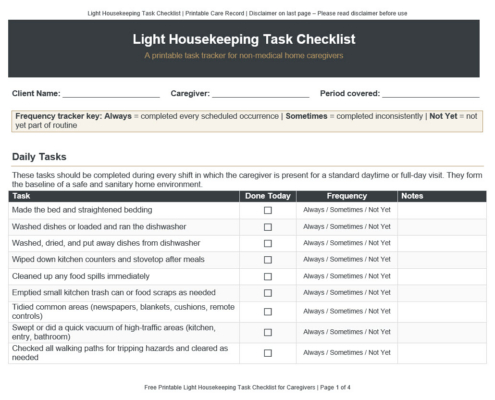 https://carehomecare.com/wp-content/uploads/2026/05/Light-Housekeeping-Checklist-for-Home-Caregivers-1.jpg
832
1080
Moti Gamburd
https://a81019caredemo.wpengine.com/wp-content/uploads/2019/08/CARE-Homecare-Logo-wht.png
Moti Gamburd2026-05-13 11:11:172026-05-14 02:13:21Light Housekeeping Checklist for Home Caregivers | Free Printable PDF
https://carehomecare.com/wp-content/uploads/2026/05/Light-Housekeeping-Checklist-for-Home-Caregivers-1.jpg
832
1080
Moti Gamburd
https://a81019caredemo.wpengine.com/wp-content/uploads/2019/08/CARE-Homecare-Logo-wht.png
Moti Gamburd2026-05-13 11:11:172026-05-14 02:13:21Light Housekeeping Checklist for Home Caregivers | Free Printable PDF https://carehomecare.com/wp-content/uploads/2026/05/Home-Safety-Checklist-for-Seniors-Free-Printable-Room-by-Room-Guide-PDF-Download.jpg
804
1042
Moti Gamburd
https://a81019caredemo.wpengine.com/wp-content/uploads/2019/08/CARE-Homecare-Logo-wht.png
Moti Gamburd2026-05-12 01:27:302026-05-13 02:09:16Home Safety Checklist for Seniors | Room by Room (Free Printable PDF)
https://carehomecare.com/wp-content/uploads/2026/05/Home-Safety-Checklist-for-Seniors-Free-Printable-Room-by-Room-Guide-PDF-Download.jpg
804
1042
Moti Gamburd
https://a81019caredemo.wpengine.com/wp-content/uploads/2019/08/CARE-Homecare-Logo-wht.png
Moti Gamburd2026-05-12 01:27:302026-05-13 02:09:16Home Safety Checklist for Seniors | Room by Room (Free Printable PDF) https://carehomecare.com/wp-content/uploads/2026/05/In-Home-Care-Agency-Checklist-Questions-to-Ask-Before-You-Hire.jpg
831
1078
Moti Gamburd
https://a81019caredemo.wpengine.com/wp-content/uploads/2019/08/CARE-Homecare-Logo-wht.png
Moti Gamburd2026-05-04 01:29:142026-05-13 02:07:13In-Home Care Agency Checklist | Questions to Ask Before You Hire
https://carehomecare.com/wp-content/uploads/2026/05/In-Home-Care-Agency-Checklist-Questions-to-Ask-Before-You-Hire.jpg
831
1078
Moti Gamburd
https://a81019caredemo.wpengine.com/wp-content/uploads/2019/08/CARE-Homecare-Logo-wht.png
Moti Gamburd2026-05-04 01:29:142026-05-13 02:07:13In-Home Care Agency Checklist | Questions to Ask Before You Hire https://carehomecare.com/wp-content/uploads/2026/05/Dementia-Daily-Caregiver-Checklist-Free-Printable-PDF-for-Home-Care.jpg
831
1078
Moti Gamburd
https://a81019caredemo.wpengine.com/wp-content/uploads/2019/08/CARE-Homecare-Logo-wht.png
Moti Gamburd2026-05-03 00:17:592026-05-13 02:09:49Dementia Daily Caregiver Checklist | Free Printable PDF for Home Care
https://carehomecare.com/wp-content/uploads/2026/05/Dementia-Daily-Caregiver-Checklist-Free-Printable-PDF-for-Home-Care.jpg
831
1078
Moti Gamburd
https://a81019caredemo.wpengine.com/wp-content/uploads/2019/08/CARE-Homecare-Logo-wht.png
Moti Gamburd2026-05-03 00:17:592026-05-13 02:09:49Dementia Daily Caregiver Checklist | Free Printable PDF for Home Care https://carehomecare.com/wp-content/uploads/2026/05/ADL-IADL-Checklist-for-Seniors-Free-Printable-Assessment-PDF-Download.jpg
795
1041
Moti Gamburd
https://a81019caredemo.wpengine.com/wp-content/uploads/2019/08/CARE-Homecare-Logo-wht.png
Moti Gamburd2026-05-01 17:41:202026-05-13 02:10:25ADL / IADL Checklist for Seniors - Free Printable Assessment (PDF Download)
https://carehomecare.com/wp-content/uploads/2026/05/ADL-IADL-Checklist-for-Seniors-Free-Printable-Assessment-PDF-Download.jpg
795
1041
Moti Gamburd
https://a81019caredemo.wpengine.com/wp-content/uploads/2019/08/CARE-Homecare-Logo-wht.png
Moti Gamburd2026-05-01 17:41:202026-05-13 02:10:25ADL / IADL Checklist for Seniors - Free Printable Assessment (PDF Download) https://carehomecare.com/wp-content/uploads/2026/05/Free-Printable-Caregiver-Daily-Checklist-for-Elderly-PDF-Download.jpg
877
1352
Moti Gamburd
https://a81019caredemo.wpengine.com/wp-content/uploads/2019/08/CARE-Homecare-Logo-wht.png
Moti Gamburd2026-04-21 16:12:122026-05-14 02:01:30Free Printable Caregiver Daily Checklist for Elderly (PDF Download)
https://carehomecare.com/wp-content/uploads/2026/05/Free-Printable-Caregiver-Daily-Checklist-for-Elderly-PDF-Download.jpg
877
1352
Moti Gamburd
https://a81019caredemo.wpengine.com/wp-content/uploads/2019/08/CARE-Homecare-Logo-wht.png
Moti Gamburd2026-04-21 16:12:122026-05-14 02:01:30Free Printable Caregiver Daily Checklist for Elderly (PDF Download) https://carehomecare.com/wp-content/uploads/2026/03/24-7-vs-12-Hour-Shifts-for-Home-Care.jpg
1706
2553
Mendy Perlman
https://a81019caredemo.wpengine.com/wp-content/uploads/2019/08/CARE-Homecare-Logo-wht.png
Mendy Perlman2026-03-14 03:46:542026-03-15 03:52:2924/7 vs 12-Hour Shifts for Home Care - Coverage Models to Compare
https://carehomecare.com/wp-content/uploads/2026/03/24-7-vs-12-Hour-Shifts-for-Home-Care.jpg
1706
2553
Mendy Perlman
https://a81019caredemo.wpengine.com/wp-content/uploads/2019/08/CARE-Homecare-Logo-wht.png
Mendy Perlman2026-03-14 03:46:542026-03-15 03:52:2924/7 vs 12-Hour Shifts for Home Care - Coverage Models to Compare
