
What is 24/7 Home Care? What It Includes, Who It’s For and How Scheduling Works
When a loved one starts needing more help at home, families usually ask the same questions first. What does 24/7 home care actually include? Is it the same as live-in care? Does someone stay awake overnight? How do scheduling and caregiver handoffs work? And most importantly, how do you know when this level of care is truly necessary?
At CARE Homecare, we help families answer these questions every day. Our 24-hour home care services are designed for seniors and adults who need steady support, day and night, while remaining in the comfort and familiarity of home. For families looking specifically in Southern California, we also provide 24-hour home care in Los Angeles. Our goal is to make the decision process clearer, less overwhelming, and more grounded in what your loved one actually needs.
Contents

Key Takeaways
- 24/7 home care means continuous, around-the-clock caregiver coverage for people who are not safe being alone for long stretches, including nights, weekends, and high-risk moments.
- The biggest decision point is nighttime. 24-hour care uses rotating shifts so someone is alert all night, overnight care focuses on nights only, and live-in care usually includes sleep time and scheduled breaks.
- Around-the-clock care is often needed when there are repeated falls, unsafe transfers, frequent nighttime bathroom trips, wandering, sundowning, or escalating Alzheimer’s disease and dementia symptoms.
- A safe plan is more than hours on a calendar. Strong caregiver handoffs, documentation, and care coordination protect continuity, especially during care transitions like hospital discharge and post-hospital care.
- Most non-medical home care includes personal care, mobility support, meals, companionship, transportation, and medication reminders, but it does not replace skilled nursing or home health care.
- Scheduling is typically built as two 12-hour shifts, three 8-hour shifts, or a custom blend, and the right structure depends on real risks, not a one-size model.
- Families often choose 24/7 home care to support aging in place with safety and dignity while also reducing caregiver burnout, caregiver stress, and the pressure of being the default caregiver.
- If you’re unsure, the clearest test is this: are there unsafe gaps where help might be needed and no one can reliably respond? If yes, 24-hour home care is worth considering.
Talk With CARE Homecare About 24/7 Home Care Scheduling
If you’re trying to figure out whether 24/7 home care, overnight care, or live-in care is the safest fit, a quick planning conversation can bring a lot of clarity. We’ll walk through your loved one’s day and night routines, the real safety risks, and what a sustainable schedule looks like for your family in Los Angeles or Orange County. Reach out through our Contact Us page to discuss a practical care plan built around real life at home.
What 24/7 home care means in real life
24/7 home care means caregiver coverage is arranged around the clock to provide support, supervision, and hands-on help whenever it is needed. That includes daytime routines, evening care, overnight needs, weekends, and holidays. It is not just occasional help. It is ongoing support for people who are no longer safe being left alone for extended periods.
In real life, that may mean helping someone get to the bathroom at 2 a.m., assisting with transfers in and out of bed, preparing meals throughout the day, providing medication reminders, reducing fall risk, or staying close by when confusion, wandering, or mobility issues create safety concerns. According to the National Institute on Aging, older adults who remain at home may need help with personal care, household tasks, transportation, safety, and health-related services to live at home more safely.
At CARE Homecare, our 24-hour home care services are built around exactly that kind of real-world support. We create personalized care plans that reflect each client’s health, routine, home environment, and family goals.

The difference between 24-hour care, overnight care, and live-in care
Families often hear these terms used interchangeably, but they are not the same. Understanding the difference can make it much easier to choose the right level of support.
24-hour care
True 24-hour care means caregivers work in rotating shifts so someone is present and alert at all times. This is often the safest choice when a loved one wakes frequently during the night, needs hands-on assistance after dark, is at high risk of falling, or cannot be left unsupervised because of confusion or wandering. On our 24-hour home care page, we explain that rotating-shift care is often the best fit when support is needed both day and night without interruption.
Overnight care
Overnight care is more limited. It usually focuses on nighttime hours only. Some families choose this option when daytime routines are manageable, but evenings bring new risks, such as sundowning, bathroom trips, anxiety, or mobility issues. The Alzheimer’s Association notes that sundowning is increased confusion that people living with Alzheimer’s disease and other dementias may experience from dusk through night, and symptoms may include difficulty sleeping, anxiety, agitation, pacing, and disorientation.
Live-in care
Live-in care is different from rotating-shift 24-hour care. In many live-in arrangements, one caregiver stays in the home for an extended shift and provides significant support throughout the day and evening, but also has designated breaks and sleep time. This can be a strong option when someone benefits from continuity and companionship, but does not need active hands-on care throughout the entire night. We outline this distinction directly in our service model because the best choice depends on how much overnight help is truly required.
A simple way to think about it is this. If your loved one needs someone available overnight, live-in or overnight care may work. If your loved one needs someone awake and ready to assist repeatedly during the night, rotating 24-hour care may be the better fit.
Who 24/7 home care is usually for
Not everyone who receives home care needs 24/7 support. Many people do well with a few hours a day, help after a hospital discharge, or a schedule built around specific tasks. Around-the-clock care becomes more appropriate when needs are frequent, safety risks are high, or there are no longer safe gaps in supervision.
In our experience, 24/7 home care is often the right fit for people who:
- have advanced mobility limitations
- need help with transfers, toileting, bathing, or dressing throughout the day and night
- are recovering from surgery, hospitalization, or a major health event
- live with Alzheimer’s disease or another form of dementia
- have a history of falls or near-falls
- cannot safely be left alone because of confusion, wandering, or poor judgment
- live alone and need more support than occasional visits can provide
- rely on a spouse or adult child who is reaching burnout
We commonly support people with memory loss, mobility limitations, post-surgical recovery needs, stroke-related challenges, and other conditions that make continuous support safer and more realistic at home. Our service pages also reflect that we provide specialized support such as post-hospital home care, after surgery home care and Alzheimer’s and dementia home care.

Signs your loved one may need round-the-clock support
Most families do not start with 24/7 care. They get there because smaller issues begin turning into a bigger pattern.
Some of the clearest signs include:
Frequent nighttime wake-ups
If your loved one is waking multiple times a night for toileting, confusion, pain, repositioning, or restlessness, daytime care alone may no longer be enough.
Falls or near-falls
Repeated falls, shaky transfers, or unsafe bathroom trips are major warning signs. If your loved one is struggling with mobility, the safest solution may be more consistent help rather than waiting for another emergency.
Wandering or confusion
The Alzheimer’s Association notes that wandering can happen at any stage of dementia. It also states that six in 10 people living with dementia will wander at least once, and many do so repeatedly. This is one of the clearest reasons families begin considering continuous supervision.
Help is needed with several daily activities
The National Institute on Aging explains that tasks like bathing, dressing, grooming, using the toilet, eating, and moving around, for example getting out of bed and into a chair, are activities of daily living. When your loved one needs help with several of these throughout the day, and sometimes overnight, it may be time to consider more comprehensive support.
Family caregivers are exhausted
Sometimes the clearest sign is not the client’s condition alone. It is the fact that a spouse, adult child, or other family caregiver is no longer sleeping, no longer keeping up with work, or physically cannot continue doing it all safely.
A recent discharge changed everything
Families often do not realize how different life at home will feel after a hospitalization, stroke, or surgery. If the transition home has made it obvious that your loved one cannot manage safely between visits, 24/7 support may be the right next step.

What 24/7 home care usually includes
Our 24/7 care plans are personalized, but may include a blend of personal care, safety supervision, household support, and companionship. On our 24-hour home care services page, we outline common services families can expect.
These may include:
- help with bathing, dressing, grooming, and toileting
- mobility and transfer assistance
- meal planning, meal preparation, and feeding support
- medication reminders
- light housekeeping and home safety support
- transportation to appointments and errands
- companionship and emotional support
- overnight supervision
- help maintaining routines that reduce stress and confusion
Many of these supports overlap with what families are already looking for when they search for what is home care or what do home care providers do. That is because the difference is not just the task list. The difference is the consistency. With 24/7 care, support is woven into the entire day rather than limited to short visits.
What 24/7 home care does not usually include
This part matters just as much as what is included.
At CARE Homecare, we provide non-medical home care. That means we help with daily living, personal care, supervision, routines, companionship, and safety, but we do not replace licensed medical professionals. Our caregivers can provide medication reminders, but non-medical home care is different from home health care or skilled nursing.
In most cases, non-medical 24/7 home care does not include:
- diagnosing medical conditions
- prescribing medications
- performing skilled nursing procedures
- delivering wound care as part of non-medical home care, unless arranged through an appropriately licensed provider
- giving injections as part of non-medical home care, unless performed by an appropriate medical professional
- providing hospital-level monitoring or emergency medical treatment
For California families, this distinction is especially important. The California Department of Social Services states that, as of January 2016, the Home Care Services Consumer Protection Act requires Home Care Organizations to be licensed and creates a public online registry for Home Care Aides who have been background checked, as part of the state’s consumer protection framework for non-medical in-home support.
If your loved one needs both non-medical support and clinical care, the right solution may involve a combination of services.

How scheduling works in a true 24/7 care plan
One of the biggest misconceptions about 24/7 home care is that one caregiver somehow handles everything. In reality, safe around-the-clock support is usually built around a schedule that protects both the client and the caregiver.
Rotating shifts
At CARE Homecare, in a rotating-shift model, two or three caregivers alternate coverage over the course of the day and night. This helps ensure the caregiver on duty is rested, alert, and ready to respond. We often recommend this structure when someone needs frequent overnight assistance, active monitoring, or help that cannot wait until morning. We explain this approach on our 24-hour home care services page because it is often the safest model for higher-acuity situations.
Common scheduling structures may include:
- two 12-hour shifts
- three 8-hour shifts
- a custom schedule based on the client’s needs and family preferences
Live-in care schedules
In live-in care, the caregiver remains in the home for an extended shift and provides substantial support, but there are designated periods for sleep and rest. This can be a strong option when overnight needs are limited and the client benefits from a familiar, consistent presence.
Hybrid schedules
Some families do not need true 24/7 care right away. They may begin with daytime support, add nights during recovery, or use a short-term intensive plan after a hospital discharge. That is one reason we also offer post-hospital home care and after surgery home care, so families can build support around a real transition instead of guessing.
The best schedule is never just about filling hours. It is about matching support to real risk.

How caregiver handoffs and continuity are managed
When multiple caregivers are involved, families naturally worry about continuity. That is a fair concern. Good care should not feel disjointed or impersonal just because more than one caregiver is part of the schedule.
At CARE Homecare, we manage continuity through individualized care plans, regular communication, caregiver matching, ongoing reassessment, and clear shift-to-shift handoffs. That means the incoming caregiver should understand how the previous shift went, what changed, what the client ate, how they slept, whether transfers were difficult, whether confusion increased, and what needs close attention next. Our service page highlights this personalized and closely coordinated approach because continuity is one of the biggest differences between simply filling shifts and delivering quality care.
Families should expect:
- a written care plan
- a clear point of contact
- updates when there are meaningful changes
- consistent routines whenever possible
- reassessment as needs evolve
Continuity matters for safety. It also matters emotionally. Familiar caregivers often reduce stress and confusion, especially for people living with dementia or recovering from a major health event.
What the first home care assessment usually looks like
A strong 24/7 care plan starts with a strong assessment.
At CARE Homecare, our process begins with a consultation so we can understand the client’s needs, routines, safety concerns, and goals for care. We also look at the home environment itself, because stairs, lighting, bathroom setup, and mobility pathways can change what kind of schedule makes sense. Our service pages describe this as a personalized evaluation that helps us match caregivers and shape the care plan around the person, not just the diagnosis.
During an initial assessment, we typically look at:
Daily routine
When your loved one wakes, eats, rests, moves around the home, and needs the most help.
Personal care needs
How much support is needed for bathing, dressing, toileting, grooming, and mobility.
Nighttime risks
Whether there are bathroom trips, confusion, sundowning, insomnia, wandering, or repositioning needs.
Transfer and fall risk
Whether the client uses a walker, wheelchair, grab bars, or other equipment, and how safely they move from bed to chair or in and out of the bathroom.
Cognitive and emotional changes
Whether there is confusion, agitation, memory loss, resistance to care, isolation, or anxiety.
Family goals
Whether the goal is to avoid a facility move, recover safely at home, support an overwhelmed spouse, or put a long-term plan in place.
The most useful assessments focus on function, not just diagnosis. Two people with the same condition may need completely different schedules depending on how they live at home.
Common family questions about 24/7 home care
Families often feel pressure to make a decision quickly, especially after a fall, discharge, or sudden decline. These are some of the most common questions we hear.
Is 24/7 home care the same as live-in care?
No. In true 24/7 care, caregivers work rotating shifts so someone is available and alert at all times. In live-in care, a caregiver stays in the home but has rest periods and sleep time.
How do we know whether our loved one needs overnight help?
That depends on what is happening at night. If there are frequent bathroom trips, wandering, confusion, falls, or unpredictable care needs, overnight support may be necessary. If those needs are active and recurring, 24-hour shift coverage may be safer than live-in care.
Can care start short term and increase later?
Yes. Some families begin with short-term intensive help after surgery or hospitalization, then scale the schedule down or up depending on recovery.
How are caregivers screened?
California’s home care consumer protection framework requires Home Care Organizations to be licensed and creates a public online registry for Home Care Aides who have been background checked.
Is this better than moving to assisted living right away?
That depends on the client’s needs, goals, and home situation. For many families, the appeal of home care is that it allows a loved one to remain in familiar surroundings with personalized support. The National Institute on Aging describes aging in place as growing older in one’s own home and explains that doing so safely often requires careful planning and support.
Families comparing options often also find it helpful to read our guide on the benefits of home care vs assisted living.
How to know whether 24/7 home care is the right choice now
The real question is not whether your loved one can still do some things independently. The question is whether they can do them safely, consistently, and without dangerous gaps in support.
24/7 home care may be the right choice now if your loved one:
- is not safe alone during the day or night
- needs hands-on help overnight
- has dementia-related wandering or nighttime confusion
- has repeated falls or near-falls
- is returning home after a major health event and clearly needs round-the-clock support
- depends on a family caregiver who is exhausted or physically unable to continue without help
- wants to remain at home, but can no longer do so safely without continuous support
It may not be necessary yet if the challenges are limited to specific hours, overnight issues are rare, or a lighter schedule still covers the real risk periods safely.
That is why we always encourage families to start with the reality of the day, not the abstract idea of hours. When are the unsafe moments happening? What kind of help is really needed during those times? Once that becomes clear, the right schedule usually becomes clearer too.
Why families often choose 24/7 home care instead of a facility
For many of the families we serve, the appeal of 24/7 care is not just about assistance. It is about preserving home.
Home is where routines feel natural, where the environment is familiar, where a loved one can sleep in their own bed, and where life still feels like their own. The National Institute on Aging describes aging in place as growing older in one’s own home and explains that doing so safely often requires thoughtful planning and support.
That does not mean home is always the right setting forever. But with the right support, many families can extend safety, comfort, and quality of life at home in a way that feels more personal and less disruptive than an immediate move.
Families considering local options can explore our broader home care services in the Greater Los Angeles area and our full service area to see where we provide support.
The bottom line on 24/7 home care
24/7 home care is not simply more home care. It is a different level of support for situations where help may be needed at any hour.
At CARE Homecare, we provide 24-hour home care for families who need a safer, more consistent plan at home. Whether your loved one needs active overnight support, help after a hospital stay, memory care supervision, or continuous assistance because they can no longer be left alone safely, we build care around the real situation, not a one-size-fits-all schedule.
If you are in Southern California and trying to decide whether now is the right time, our Los Angeles 24-hour home care page is a good next step. And if you are still comparing options, we can help you understand whether full 24/7 care, live-in care, or a lighter schedule makes the most sense for your family.
24/7 CARE Homecare Support in Los Angeles and Orange County
CARE Homecare helps families build realistic in-home care plans that support safety, routines, and independence at home. Whether you need help with daily activities, medication reminders, mobility support, dementia care at home, transportation, meals, or a structured plan after a hospital discharge, we tailor care to what actually makes life easier and safer week to week.
If you want to talk through the right level of support for your loved one, start with our Contact Us page. You can also reach us directly by phone or email.
Address: 1156 North Gardner Street, West Hollywood, CA 90046
Telephone: (323) 851-1422
Email: info@carehomecare.com
Sources & Additional Resources
National Institute on Aging, Services for Older Adults Living at Home
National Institute on Aging, Aging in Place: Growing Older at Home
National Institute on Aging, What Is Long-Term Care?
Alzheimer’s Association, Wandering
Alzheimer’s Association, What Is Sundowning?
California Department of Social Services, Home Care Services
California Department of Social Services, Home Care Services Consumer Protection Act Overview
California Department of Public Health, Center for Health Care Quality
Disclaimer: This article is for general informational purposes only and is not legal, medical, or licensing advice. Home care services, caregiver duties, and care models can vary by provider, patient needs, payer rules, and applicable law. In California, non-medical home care is regulated separately from licensed home health, hospice, and skilled nursing services. Families in Greater Los Angeles should confirm current requirements, available services, and care plans directly with the provider and the appropriate state agency.
 https://carehomecare.com/wp-content/uploads/2026/05/Post-Surgery-Home-Care-Checklist-Non-Medical-Support-for-Recovery-at-Home-Free-PDF-and-Word-Download.jpg
839
1315
Moti Gamburd
https://a81019caredemo.wpengine.com/wp-content/uploads/2019/08/CARE-Homecare-Logo-wht.png
Moti Gamburd2026-05-14 20:03:392026-05-14 20:03:39Free Post-Surgery Home Care Checklist | Non-Medical Support for Recovery at Home | PDF or Word Print or Download
https://carehomecare.com/wp-content/uploads/2026/05/Post-Surgery-Home-Care-Checklist-Non-Medical-Support-for-Recovery-at-Home-Free-PDF-and-Word-Download.jpg
839
1315
Moti Gamburd
https://a81019caredemo.wpengine.com/wp-content/uploads/2019/08/CARE-Homecare-Logo-wht.png
Moti Gamburd2026-05-14 20:03:392026-05-14 20:03:39Free Post-Surgery Home Care Checklist | Non-Medical Support for Recovery at Home | PDF or Word Print or Download https://carehomecare.com/wp-content/uploads/2026/05/Home-Care-Supplies-Preparation-Checklist.jpg
842
1316
Moti Gamburd
https://a81019caredemo.wpengine.com/wp-content/uploads/2019/08/CARE-Homecare-Logo-wht.png
Moti Gamburd2026-05-14 18:49:452026-05-14 18:49:45Home Care Supplies Checklist | What to Have Ready Before Care Starts | Free Printable PDF
https://carehomecare.com/wp-content/uploads/2026/05/Home-Care-Supplies-Preparation-Checklist.jpg
842
1316
Moti Gamburd
https://a81019caredemo.wpengine.com/wp-content/uploads/2019/08/CARE-Homecare-Logo-wht.png
Moti Gamburd2026-05-14 18:49:452026-05-14 18:49:45Home Care Supplies Checklist | What to Have Ready Before Care Starts | Free Printable PDF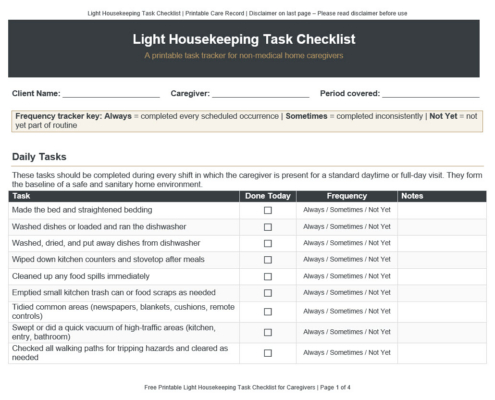 https://carehomecare.com/wp-content/uploads/2026/05/Light-Housekeeping-Checklist-for-Home-Caregivers-1.jpg
832
1080
Moti Gamburd
https://a81019caredemo.wpengine.com/wp-content/uploads/2019/08/CARE-Homecare-Logo-wht.png
Moti Gamburd2026-05-13 11:11:172026-05-14 02:13:21Light Housekeeping Checklist for Home Caregivers | Free Printable PDF
https://carehomecare.com/wp-content/uploads/2026/05/Light-Housekeeping-Checklist-for-Home-Caregivers-1.jpg
832
1080
Moti Gamburd
https://a81019caredemo.wpengine.com/wp-content/uploads/2019/08/CARE-Homecare-Logo-wht.png
Moti Gamburd2026-05-13 11:11:172026-05-14 02:13:21Light Housekeeping Checklist for Home Caregivers | Free Printable PDF https://carehomecare.com/wp-content/uploads/2026/05/Home-Safety-Checklist-for-Seniors-Free-Printable-Room-by-Room-Guide-PDF-Download.jpg
804
1042
Moti Gamburd
https://a81019caredemo.wpengine.com/wp-content/uploads/2019/08/CARE-Homecare-Logo-wht.png
Moti Gamburd2026-05-12 01:27:302026-05-13 02:09:16Home Safety Checklist for Seniors | Room by Room (Free Printable PDF)
https://carehomecare.com/wp-content/uploads/2026/05/Home-Safety-Checklist-for-Seniors-Free-Printable-Room-by-Room-Guide-PDF-Download.jpg
804
1042
Moti Gamburd
https://a81019caredemo.wpengine.com/wp-content/uploads/2019/08/CARE-Homecare-Logo-wht.png
Moti Gamburd2026-05-12 01:27:302026-05-13 02:09:16Home Safety Checklist for Seniors | Room by Room (Free Printable PDF) https://carehomecare.com/wp-content/uploads/2026/05/In-Home-Care-Agency-Checklist-Questions-to-Ask-Before-You-Hire.jpg
831
1078
Moti Gamburd
https://a81019caredemo.wpengine.com/wp-content/uploads/2019/08/CARE-Homecare-Logo-wht.png
Moti Gamburd2026-05-04 01:29:142026-05-13 02:07:13In-Home Care Agency Checklist | Questions to Ask Before You Hire
https://carehomecare.com/wp-content/uploads/2026/05/In-Home-Care-Agency-Checklist-Questions-to-Ask-Before-You-Hire.jpg
831
1078
Moti Gamburd
https://a81019caredemo.wpengine.com/wp-content/uploads/2019/08/CARE-Homecare-Logo-wht.png
Moti Gamburd2026-05-04 01:29:142026-05-13 02:07:13In-Home Care Agency Checklist | Questions to Ask Before You Hire https://carehomecare.com/wp-content/uploads/2026/05/Dementia-Daily-Caregiver-Checklist-Free-Printable-PDF-for-Home-Care.jpg
831
1078
Moti Gamburd
https://a81019caredemo.wpengine.com/wp-content/uploads/2019/08/CARE-Homecare-Logo-wht.png
Moti Gamburd2026-05-03 00:17:592026-05-13 02:09:49Dementia Daily Caregiver Checklist | Free Printable PDF for Home Care
https://carehomecare.com/wp-content/uploads/2026/05/Dementia-Daily-Caregiver-Checklist-Free-Printable-PDF-for-Home-Care.jpg
831
1078
Moti Gamburd
https://a81019caredemo.wpengine.com/wp-content/uploads/2019/08/CARE-Homecare-Logo-wht.png
Moti Gamburd2026-05-03 00:17:592026-05-13 02:09:49Dementia Daily Caregiver Checklist | Free Printable PDF for Home Care https://carehomecare.com/wp-content/uploads/2026/05/ADL-IADL-Checklist-for-Seniors-Free-Printable-Assessment-PDF-Download.jpg
795
1041
Moti Gamburd
https://a81019caredemo.wpengine.com/wp-content/uploads/2019/08/CARE-Homecare-Logo-wht.png
Moti Gamburd2026-05-01 17:41:202026-05-13 02:10:25ADL / IADL Checklist for Seniors - Free Printable Assessment (PDF Download)
https://carehomecare.com/wp-content/uploads/2026/05/ADL-IADL-Checklist-for-Seniors-Free-Printable-Assessment-PDF-Download.jpg
795
1041
Moti Gamburd
https://a81019caredemo.wpengine.com/wp-content/uploads/2019/08/CARE-Homecare-Logo-wht.png
Moti Gamburd2026-05-01 17:41:202026-05-13 02:10:25ADL / IADL Checklist for Seniors - Free Printable Assessment (PDF Download)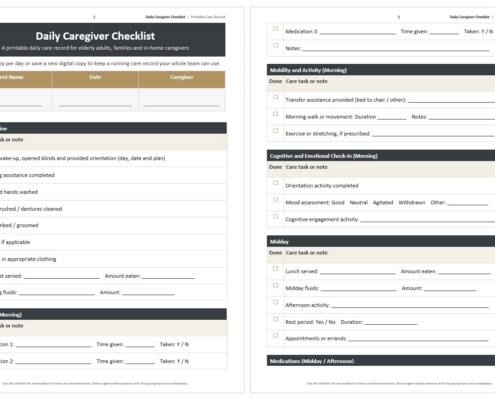 https://carehomecare.com/wp-content/uploads/2026/05/Free-Printable-Caregiver-Daily-Checklist-for-Elderly-PDF-Download.jpg
877
1352
Moti Gamburd
https://a81019caredemo.wpengine.com/wp-content/uploads/2019/08/CARE-Homecare-Logo-wht.png
Moti Gamburd2026-04-21 16:12:122026-05-14 02:01:30Free Printable Caregiver Daily Checklist for Elderly (PDF Download)
https://carehomecare.com/wp-content/uploads/2026/05/Free-Printable-Caregiver-Daily-Checklist-for-Elderly-PDF-Download.jpg
877
1352
Moti Gamburd
https://a81019caredemo.wpengine.com/wp-content/uploads/2019/08/CARE-Homecare-Logo-wht.png
Moti Gamburd2026-04-21 16:12:122026-05-14 02:01:30Free Printable Caregiver Daily Checklist for Elderly (PDF Download) https://carehomecare.com/wp-content/uploads/2026/03/24-7-vs-12-Hour-Shifts-for-Home-Care.jpg
1706
2553
Mendy Perlman
https://a81019caredemo.wpengine.com/wp-content/uploads/2019/08/CARE-Homecare-Logo-wht.png
Mendy Perlman2026-03-14 03:46:542026-03-15 03:52:2924/7 vs 12-Hour Shifts for Home Care - Coverage Models to Compare
https://carehomecare.com/wp-content/uploads/2026/03/24-7-vs-12-Hour-Shifts-for-Home-Care.jpg
1706
2553
Mendy Perlman
https://a81019caredemo.wpengine.com/wp-content/uploads/2019/08/CARE-Homecare-Logo-wht.png
Mendy Perlman2026-03-14 03:46:542026-03-15 03:52:2924/7 vs 12-Hour Shifts for Home Care - Coverage Models to Compare
