
Contents
Free Printable Caregiver Burnout Self-Check Worksheet PDF with Editable Word Doc
A simple self-check and prevention plan to help caregivers catch burnout early, reduce stress, and protect relationships.
Download or Print the Caregiver Burnout Worksheet
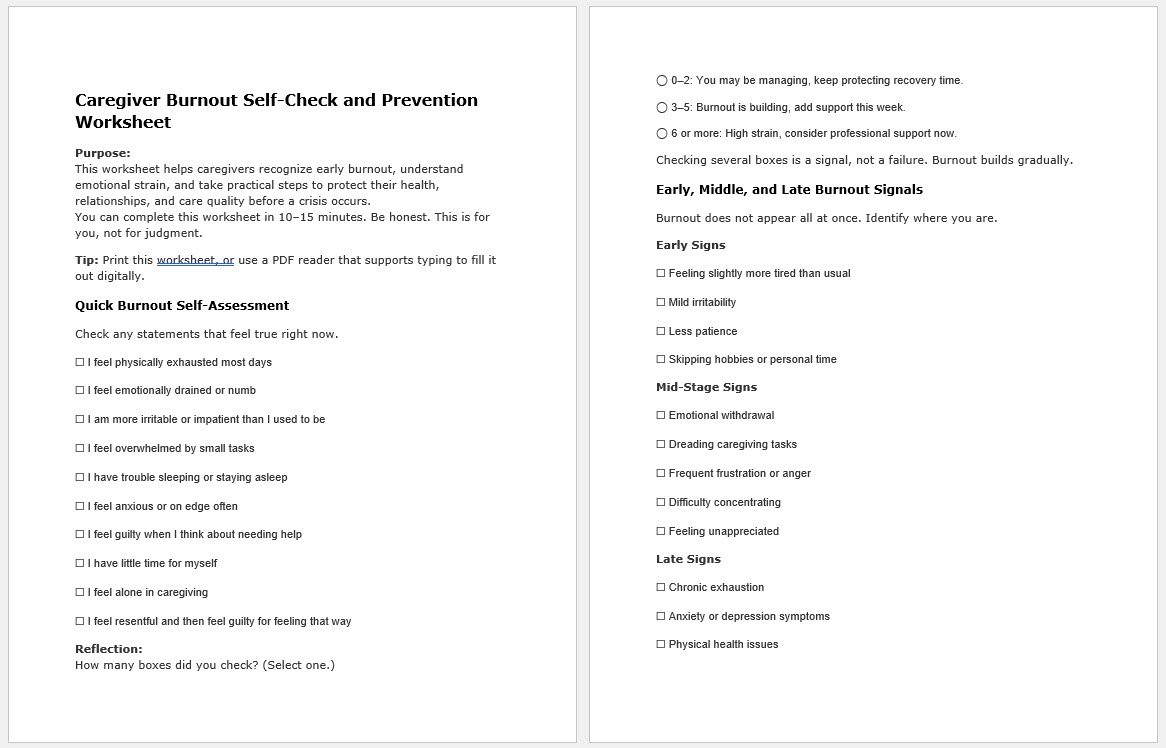
Caregiver burnout often builds gradually. This worksheet helps you spot common warning signs, name emotional strain (including guilt and resentment), and choose one realistic next step that reduces pressure fast.
It’s designed for family caregivers, long-distance caregivers, and anyone who has become the “default” person during illness, aging, or hospital-to-home transitions.
Tip: Print it, or use a PDF reader that supports typing to fill it out digitally.
Burnout does not start as a crisis, it starts as a pattern
Most caregivers do not wake up one day completely overwhelmed. Stress builds quietly. Fatigue becomes normal. Resentment feels shameful. Asking for help gets postponed because there is always one more appointment, one more phone call, one more thing.
This worksheet is a pause button. It helps you notice what your body and mind have been trying to say before burnout starts affecting your health, your relationships, and the quality of care at home.
If caregiving has started to feel heavy or emotionally charged, you may also relate to why caregiver resentment builds and how to stop it early and why caregiver guilt keeps people from asking for help.
In-home care support across Los Angeles and Orange County by CARE Homecare
A worksheet helps you see the pattern. Real support helps you change it. CARE Homecare provides flexible in-home care throughout Los Angeles and Orange County, including support that reduces caregiver stress and protects family relationships.
Families often start with a few hours per week for relief, routines, and safety support, then adjust as needs change. If a loved one is returning home from the hospital, explore post-hospital home care services for structured help during a high-risk transition.
If you’re not sure what non-medical caregiving can actually cover, this breakdown of what home care providers do makes it easier to match support to real needs.
Why caregivers miss burnout until it feels severe
Caregiving is rarely a single moment. It’s a gradual expansion of responsibility. One person starts coordinating appointments. Then managing meals. Then handling nighttime check-ins. Then becoming the point person for siblings, doctors, and insurance calls.
Many caregivers normalize exhaustion because the work feels non-negotiable. That’s why the “default caregiver” role can become so draining. If that sounds familiar, this article on the hidden toll of being the default caregiver explains why stress grows even when love is still present.
A worksheet helps because it turns vague strain into visible patterns. Once you can see it, you can plan around it.
What the caregiver burnout worksheet includes
This worksheet is designed to be simple, honest, and useful. It includes:
- A quick self-check to spot emotional, physical, and mental strain
- A guide to common burnout signals that can progress from milder stress to more severe exhaustion
- Reflection prompts to name resentment, guilt, and loss without shame
- A realistic self-care snapshot focused on habits, not perfection
- A support inventory to identify who can help and what to ask for
- A short action plan to choose one next step within the next 7 days
If you want added context for the day-to-day workload caregiving often includes, it can help to review ADLs and IADLs, since those tasks are often the hidden drivers of stress.
How to use the worksheet in real life
Burnout prevention is not about changing everything at once. It’s about changing one pressure point at a time.
Here are three ways families use this worksheet effectively:
- Private check-in: Complete it for yourself, then pick one action step that gives you relief this week.
- Family reset: Share the support inventory with siblings so responsibilities become clearer and more balanced. If family tension is building, start with how to avoid sibling conflict over parent care.
- Care planning tool: Bring it into a care planning conversation so support decisions are based on real strain, not guilt.
If you’re evaluating help at home, this guide on how to choose a home care agency can make the next step feel less overwhelming.
When a worksheet is not enough on its own
A worksheet is a starting point, not a full solution. If you notice persistent exhaustion, constant resentment, declining health, or rising family conflict, it’s usually time to add support, not just add willpower.
This is especially true during care transitions like hospital discharge, when needs can spike overnight. These guides can help families prepare for that window: the first 72 hours at home after hospital discharge and the first two weeks at home after hospital discharge.
For many families, the most practical next step is to add non-medical support that reduces the daily load, improves safety, and gives caregivers real time to recover. Start with CARE Homecare services to see what support can look like in real life.
Frequently Asked Questions about caregiver burnout
What is caregiver burnout?
Caregiver burnout is a state of physical, emotional, and mental exhaustion that can happen when caregiving stress is sustained over time. It may show up as fatigue, sleep disruption, irritability, withdrawal, anxiety, or low mood.
How do I know if I need respite care?
If you can’t rest, can’t think clearly, or feel trapped in the role, respite care is worth exploring. Respite is not a reward for suffering. It’s one way caregivers protect their health and reduce the risk of burnout.
How can in-home care reduce burnout?
In-home care can reduce burnout by sharing daily responsibilities and lowering constant vigilance. Support with routines, meals, light housekeeping, mobility or transfer assistance as appropriate, companionship, transportation, and home safety can help caregivers regain time, sleep, and emotional balance.
When you need help beyond the worksheet
You don’t have to carry caregiving alone.
CARE Homecare supports families across Los Angeles and Orange County with practical in-home care plans that reduce emotional strain, prevent burnout, and protect relationships.
Talk with our team about options for respite, care transitions, and ongoing support that fits your family’s real life.
Address: 1156 North Gardner Street, West Hollywood, CA 90046
Telephone: (323) 851-1422
Email: info@carehomecare.com

Sources & Additional Resources
Cleveland Clinic: Caregiver Burnout (What It Is, Symptoms, Prevention)
National Institute on Aging (NIH): Caregiving
Office on Women’s Health (HHS): Caregiver Stress
CDC: Information for Caregivers
California Department of Social Services: Adult Protective Services (APS)
Disclaimer:
This worksheet and page are for educational purposes only and are not medical, mental health, or legal advice. If you feel unsafe or have thoughts of self-harm, call 911 or go to the nearest emergency room right away. In the U.S., you can also call or text 988 or use online chat through the 988 Suicide & Crisis Lifeline. If symptoms persist or worsen, speak with a licensed healthcare or mental health professional. If you suspect abuse, neglect, or immediate danger, contact local authorities or Adult Protective Services. In California, you can call 1-833-401-0832 and enter your zip code to be connected to your county APS.
 https://carehomecare.com/wp-content/uploads/2026/02/Printable-Caregiver-Burnout-Self-Check-Worksheet.jpg
748
1166
Mendy Perlman
https://a81019caredemo.wpengine.com/wp-content/uploads/2019/08/CARE-Homecare-Logo-wht.png
Mendy Perlman2026-02-15 20:32:402026-02-15 20:32:40Free Printable Caregiver Burnout Self-Check Worksheet PDF and Burnout Prevention Guide
https://carehomecare.com/wp-content/uploads/2026/02/Printable-Caregiver-Burnout-Self-Check-Worksheet.jpg
748
1166
Mendy Perlman
https://a81019caredemo.wpengine.com/wp-content/uploads/2019/08/CARE-Homecare-Logo-wht.png
Mendy Perlman2026-02-15 20:32:402026-02-15 20:32:40Free Printable Caregiver Burnout Self-Check Worksheet PDF and Burnout Prevention Guide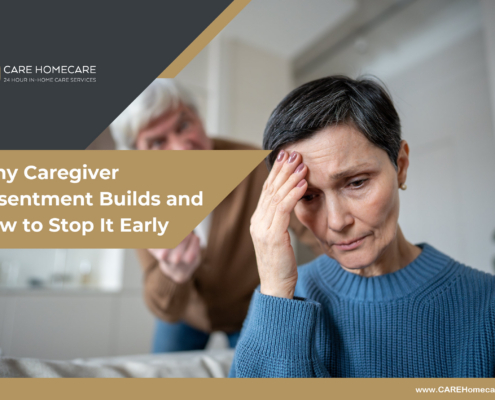 https://carehomecare.com/wp-content/uploads/2026/02/Why-Caregiver-Resentment-Builds-and-How-to-Stop-It-Early.jpg
1691
2553
Mendy Perlman
https://a81019caredemo.wpengine.com/wp-content/uploads/2019/08/CARE-Homecare-Logo-wht.png
Mendy Perlman2026-02-15 19:20:082026-02-16 16:53:24Why Caregiver Resentment Builds and How to Stop It Early
https://carehomecare.com/wp-content/uploads/2026/02/Why-Caregiver-Resentment-Builds-and-How-to-Stop-It-Early.jpg
1691
2553
Mendy Perlman
https://a81019caredemo.wpengine.com/wp-content/uploads/2019/08/CARE-Homecare-Logo-wht.png
Mendy Perlman2026-02-15 19:20:082026-02-16 16:53:24Why Caregiver Resentment Builds and How to Stop It Early https://carehomecare.com/wp-content/uploads/2026/01/The-Emotional-Difference-Between-Caring-for-a-Parent-and-a-Spouse.jpeg
1700
2555
Mendy Perlman
https://a81019caredemo.wpengine.com/wp-content/uploads/2019/08/CARE-Homecare-Logo-wht.png
Mendy Perlman2026-01-13 19:32:432026-02-15 20:35:26The Emotional Difference Between Caring for a Parent and a Spouse
https://carehomecare.com/wp-content/uploads/2026/01/The-Emotional-Difference-Between-Caring-for-a-Parent-and-a-Spouse.jpeg
1700
2555
Mendy Perlman
https://a81019caredemo.wpengine.com/wp-content/uploads/2019/08/CARE-Homecare-Logo-wht.png
Mendy Perlman2026-01-13 19:32:432026-02-15 20:35:26The Emotional Difference Between Caring for a Parent and a Spouse https://carehomecare.com/wp-content/uploads/2026/01/Sibling-Conflict-Over-Parent-Care-and-How-to-Avoid-Family-Feuds.jpg
1693
2555
Moti Gamburd
https://a81019caredemo.wpengine.com/wp-content/uploads/2019/08/CARE-Homecare-Logo-wht.png
Moti Gamburd2026-01-06 20:23:322026-02-15 20:35:48Sibling Conflict Over Parent Care - How to Avoid Family Feuds
https://carehomecare.com/wp-content/uploads/2026/01/Sibling-Conflict-Over-Parent-Care-and-How-to-Avoid-Family-Feuds.jpg
1693
2555
Moti Gamburd
https://a81019caredemo.wpengine.com/wp-content/uploads/2019/08/CARE-Homecare-Logo-wht.png
Moti Gamburd2026-01-06 20:23:322026-02-15 20:35:48Sibling Conflict Over Parent Care - How to Avoid Family Feuds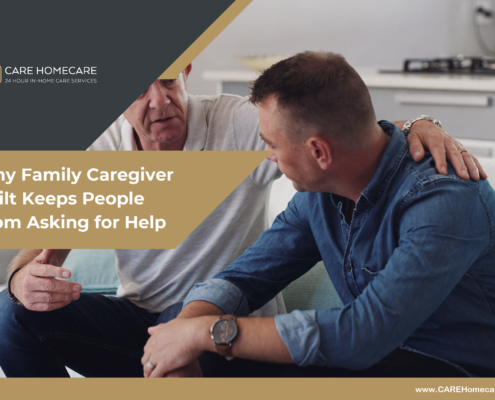 https://carehomecare.com/wp-content/uploads/2025/12/Why-Family-Caregiver-Guilt-Keeps-People-From-Asking-for-Help.jpeg
1697
2555
Moti Gamburd
https://a81019caredemo.wpengine.com/wp-content/uploads/2019/08/CARE-Homecare-Logo-wht.png
Moti Gamburd2025-12-18 17:44:272026-02-15 20:36:25Why Family Caregiver Guilt Keeps People From Asking for Help
https://carehomecare.com/wp-content/uploads/2025/12/Why-Family-Caregiver-Guilt-Keeps-People-From-Asking-for-Help.jpeg
1697
2555
Moti Gamburd
https://a81019caredemo.wpengine.com/wp-content/uploads/2019/08/CARE-Homecare-Logo-wht.png
Moti Gamburd2025-12-18 17:44:272026-02-15 20:36:25Why Family Caregiver Guilt Keeps People From Asking for Help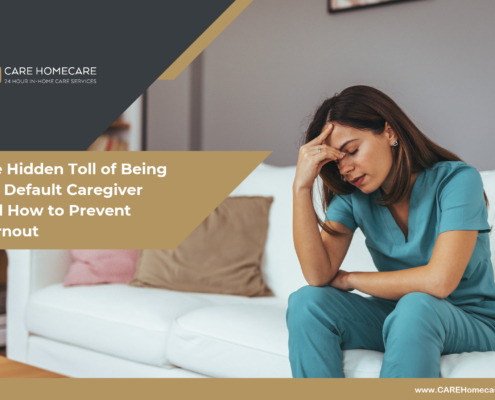 https://carehomecare.com/wp-content/uploads/2025/12/The-Hidden-Toll-of-Being-the-Default-Caregiver-and-How-to-Prevent-Burnout.jpeg
1697
2551
Moti Gamburd
https://a81019caredemo.wpengine.com/wp-content/uploads/2019/08/CARE-Homecare-Logo-wht.png
Moti Gamburd2025-12-18 00:32:032026-02-15 20:37:11The Hidden Toll of Being the “Default” Caregiver
https://carehomecare.com/wp-content/uploads/2025/12/The-Hidden-Toll-of-Being-the-Default-Caregiver-and-How-to-Prevent-Burnout.jpeg
1697
2551
Moti Gamburd
https://a81019caredemo.wpengine.com/wp-content/uploads/2019/08/CARE-Homecare-Logo-wht.png
Moti Gamburd2025-12-18 00:32:032026-02-15 20:37:11The Hidden Toll of Being the “Default” Caregiver https://carehomecare.com/wp-content/uploads/2025/10/24-Hour-Home-Care-Daily-Caregiver-Log.jpg
759
988
Moti Gamburd
https://a81019caredemo.wpengine.com/wp-content/uploads/2019/08/CARE-Homecare-Logo-wht.png
Moti Gamburd2025-10-31 18:49:032025-10-31 18:49:0324/7 Home Care Documentation - Daily Logs, Checklists & Family Updates
https://carehomecare.com/wp-content/uploads/2025/10/24-Hour-Home-Care-Daily-Caregiver-Log.jpg
759
988
Moti Gamburd
https://a81019caredemo.wpengine.com/wp-content/uploads/2019/08/CARE-Homecare-Logo-wht.png
Moti Gamburd2025-10-31 18:49:032025-10-31 18:49:0324/7 Home Care Documentation - Daily Logs, Checklists & Family Updates https://carehomecare.com/wp-content/uploads/2025/10/24-7-Care-Checklist-PDF-Daily-Weekly-Monthly.jpg
868
1346
Moti Gamburd
https://a81019caredemo.wpengine.com/wp-content/uploads/2019/08/CARE-Homecare-Logo-wht.png
Moti Gamburd2025-10-30 04:03:262026-02-15 20:43:33Printable 24/7 Care Checklist PDF - Daily, Weekly and Monthly Tasks
https://carehomecare.com/wp-content/uploads/2025/10/24-7-Care-Checklist-PDF-Daily-Weekly-Monthly.jpg
868
1346
Moti Gamburd
https://a81019caredemo.wpengine.com/wp-content/uploads/2019/08/CARE-Homecare-Logo-wht.png
Moti Gamburd2025-10-30 04:03:262026-02-15 20:43:33Printable 24/7 Care Checklist PDF - Daily, Weekly and Monthly Tasks https://carehomecare.com/wp-content/uploads/2025/09/Hospital-Discharge-Checklist.jpg
865
1335
Moti Gamburd
https://a81019caredemo.wpengine.com/wp-content/uploads/2019/08/CARE-Homecare-Logo-wht.png
Moti Gamburd2025-09-21 15:46:452025-10-31 13:53:18Hospital Discharge Checklist - Your Complete Guide to a Safe Transition Home
https://carehomecare.com/wp-content/uploads/2025/09/Hospital-Discharge-Checklist.jpg
865
1335
Moti Gamburd
https://a81019caredemo.wpengine.com/wp-content/uploads/2019/08/CARE-Homecare-Logo-wht.png
Moti Gamburd2025-09-21 15:46:452025-10-31 13:53:18Hospital Discharge Checklist - Your Complete Guide to a Safe Transition Home