
Contents
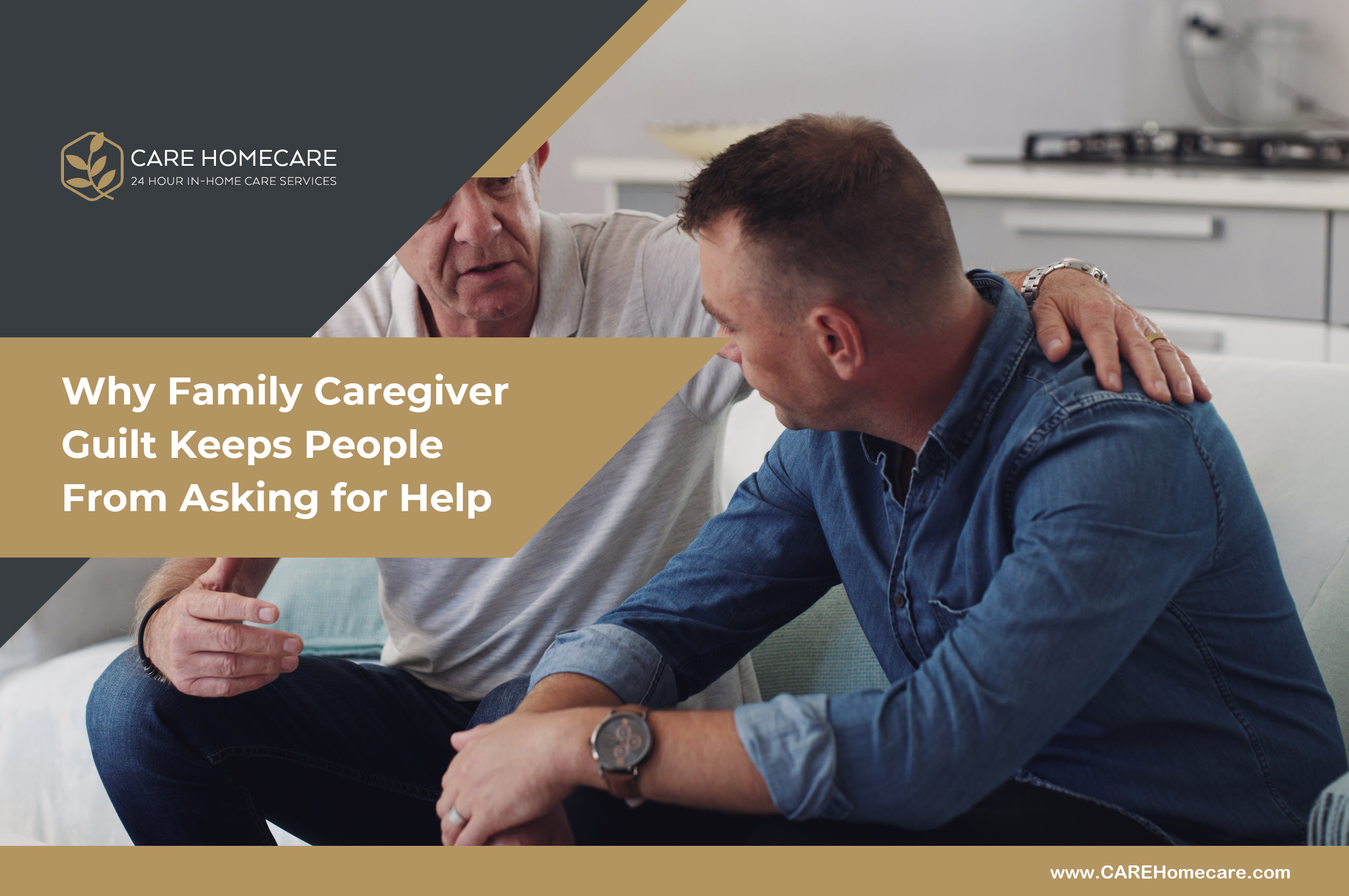
Why Family Caregiver Guilt Keeps People From Asking for Help
Family caregiving is often fueled by love, loyalty, and a deep sense of responsibility. Yet for many caregivers, those same emotions quietly transform into guilt that makes asking for help feel wrong. Even when exhaustion sets in, caregivers hesitate. They worry that stepping back means failing, abandoning or not loving enough.
This article exists for the moment when awareness meets resistance. You may already know caregiving is overwhelming. What keeps you stuck is guilt. Understanding where that guilt comes from and learning how to reframe support as an act of love is often the turning point between silent suffering and sustainable care.
Key Takeaways
- Family caregiver guilt is learned and reinforced, not a measure of love.
- Guilt keeps caregivers isolated and delays necessary support.
- Responsibility and devotion do not require self-sacrifice.
- Guilt-driven caregiving harms both caregiver and loved one over time.
- Professional care protects relationships rather than replacing them.
- Asking for help is an act of love, not abandonment.
Support That Honors Love and Relieves Caregiver Guilt Across Los Angeles and Orange County
Asking for help does not mean you are letting someone down. It means you care enough to protect your health, your relationship, and the quality of care your loved one receives. CARE Homecare supports families across Los Angeles and Orange County with personalized in-home care that helps caregivers share responsibility without sacrificing connection or control.
Our trained caregivers provide support with daily routines, mobility, meal preparation, companionship, medication reminders, and home safety so family caregivers can remain present as loved ones, not just providers. Professional care allows families to show love through sustainability, not exhaustion.

What Family Caregiver Guilt Really Is (And Why It Feels So Heavy)
Family caregiver guilt is not just an emotion. It is an internal rule system that tells caregivers what they should be able to handle and how much sacrifice love requires. It shows up as constant self-monitoring, second-guessing decisions, and the feeling that no matter how much you do, it is never quite enough.
Unlike stress or fatigue, guilt attaches itself to morality. Caregivers are not just tired; they feel wrong for being tired. This is why guilt is so difficult to release even when help is available and outcomes are good.
Why Guilt Persists Even When Care Is Going Well
Many caregivers expect guilt to ease once routines stabilize. Instead, guilt often intensifies. When things appear to be under control, caregivers feel pressure to keep proving they can handle everything themselves. Success becomes another reason not to ask for help.
This creates a paradox. The better caregiving looks on the outside, the harder it feels to admit internal strain.
Guilt vs Shame vs Responsibility
Guilt says, “I am doing something wrong.”
Shame says, “I am wrong.”
Responsibility says, “This matters and I will act with care.”
Healthy responsibility supports flexibility and problem-solving. Guilt and shame narrow options and punish rest. Many caregivers confuse guilt with devotion, believing that feeling guilty proves how much they care.
Where Caregiver Guilt Comes From in Families
Caregiver guilt is often inherited rather than chosen. Families pass down beliefs about duty, sacrifice, and loyalty long before caregiving begins.
Cultural and Generational Messaging
Many caregivers grew up hearing messages that framed care as a moral obligation. Phrases like “family takes care of family” often leave out the reality that care needs change and exceed what one person can realistically provide.
In some households, asking for outside help is viewed as failure rather than support. These beliefs persist even when caregivers intellectually understand that help would be beneficial.
The “Responsible One” Role
In many families, one child becomes the organizer, the helper, or the dependable one. When caregiving enters the picture, that role solidifies. Guilt becomes the mechanism that keeps the role intact, even when it becomes overwhelming.
This dynamic is closely tied to becoming the default caregiver, a pattern explored in the hidden toll of being the default caregiver, where responsibility quietly turns into expectation.
The Difference Between Healthy Responsibility and Harmful Guilt
Healthy responsibility is grounded in choice. Harmful guilt is rooted in fear.
Responsibility allows caregivers to adapt, ask questions, and seek support when needs change. Guilt demands endurance at all costs. It frames rest as selfish and help as betrayal.
When guilt drives caregiving, caregivers push past physical and emotional limits. Care becomes less about connection and more about survival.

Why Guilt Stops Caregivers From Asking for Help
Caregiver guilt does more than discourage asking for help. It actively creates fear around what help represents.
Fear of Judgment and Family Conflict
Caregivers often imagine criticism from siblings, extended family, or even the person receiving care. They worry others will think they are lazy, ungrateful, or giving up too soon, even when no one has explicitly said this.
Fear of Losing Control
Caregiving often becomes intertwined with identity. Letting someone else help can feel like losing control over routines, standards, and outcomes. Guilt reinforces the belief that only you can do it “right.”
Fear That Help Means Emotional Distance
Many caregivers believe that bringing in professional care means emotionally stepping away. In reality, professional support often allows caregivers to be more present rather than less.

How Caregiver Guilt Harms Both the Caregiver and Their Loved One
Guilt-driven care may appear functional on the surface, but it carries hidden costs.
Caregivers experience chronic stress, emotional withdrawal, and rising resentment. Loved ones may sense tension, impatience, or emotional distance even when care tasks are completed.
Guilt also delays support until caregivers are depleted. This increases the risk of mistakes and crisis-driven decisions, especially during vulnerable periods like the first 72 hours at home after hospital discharge or the longer adjustment period described in the first two weeks at home after hospital discharge.

Reframing Help as an Act of Love, Not Abandonment
Reframing help begins with separating love from self-sacrifice. Love is relational. Sacrifice without support is not a requirement for devotion.
When caregivers accept help, they protect the relationship by reducing exhaustion and resentment. Understanding what home care is and the real home care benefits helps families see professional support as an extension of care rather than a replacement for it.
Professional caregivers handle tasks and routines. Family members retain emotional connection, advocacy, and decision-making. Love is not outsourced. It is preserved.
What Professional Care Actually Changes for Families
When care is shared, families often notice immediate changes. Caregivers regain time to rest, work, and attend to their own health. Emotional tension decreases. Communication improves.
Learning what home care providers do and how services differ through home care vs home health care helps families choose support that fits their needs without guilt or confusion.
Instead of reacting to emergencies, families begin planning proactively and sustainably.
How to Let Go of Guilt Without Letting Go of Love
Letting go of guilt does not mean letting go of responsibility. It means redefining what responsibility looks like.
Language Shifts That Help Release Guilt
Instead of “I should be able to do this,” try “This is bigger than one person.”
Instead of “They need me,” try “They need care, safety, and consistency.”
Instead of “I am giving up,” try “I am protecting us both.”
Starting With Low-Risk Support
Caregivers do not need to commit to everything at once. A few hours of help. A consultation. Learning options. Small steps allow guilt to soften without forcing major change.
Contact CARE Homecare for Support That Honors Love and Relieves Guilt
Feeling guilty about needing help is common, but carrying everything alone is not sustainable. CARE Homecare supports families across Los Angeles and Orange County with in-home care designed to ease guilt, share responsibility and protect relationships.
Whether you need short-term help or ongoing support, our team helps you create a plan that supports both your loved one and your own well-being.
Visit our Contact Us page to start a conversation about care that feels supportive, respectful and right for your family.
You can also reach us via email or by giving us a call.
Address: 1156 North Gardner Street, West Hollywood, CA 90046
Telephone: (323) 851-1422
Email: info@carehomecare.com

 https://carehomecare.com/wp-content/uploads/2026/05/Post-Surgery-Home-Care-Checklist-Non-Medical-Support-for-Recovery-at-Home-Free-PDF-and-Word-Download.jpg
839
1315
Moti Gamburd
https://a81019caredemo.wpengine.com/wp-content/uploads/2019/08/CARE-Homecare-Logo-wht.png
Moti Gamburd2026-05-14 20:03:392026-05-14 20:03:39Free Post-Surgery Home Care Checklist | Non-Medical Support for Recovery at Home | PDF or Word Print or Download
https://carehomecare.com/wp-content/uploads/2026/05/Post-Surgery-Home-Care-Checklist-Non-Medical-Support-for-Recovery-at-Home-Free-PDF-and-Word-Download.jpg
839
1315
Moti Gamburd
https://a81019caredemo.wpengine.com/wp-content/uploads/2019/08/CARE-Homecare-Logo-wht.png
Moti Gamburd2026-05-14 20:03:392026-05-14 20:03:39Free Post-Surgery Home Care Checklist | Non-Medical Support for Recovery at Home | PDF or Word Print or Download https://carehomecare.com/wp-content/uploads/2026/05/Home-Care-Supplies-Preparation-Checklist.jpg
842
1316
Moti Gamburd
https://a81019caredemo.wpengine.com/wp-content/uploads/2019/08/CARE-Homecare-Logo-wht.png
Moti Gamburd2026-05-14 18:49:452026-05-14 18:49:45Home Care Supplies Checklist | What to Have Ready Before Care Starts | Free Printable PDF
https://carehomecare.com/wp-content/uploads/2026/05/Home-Care-Supplies-Preparation-Checklist.jpg
842
1316
Moti Gamburd
https://a81019caredemo.wpengine.com/wp-content/uploads/2019/08/CARE-Homecare-Logo-wht.png
Moti Gamburd2026-05-14 18:49:452026-05-14 18:49:45Home Care Supplies Checklist | What to Have Ready Before Care Starts | Free Printable PDF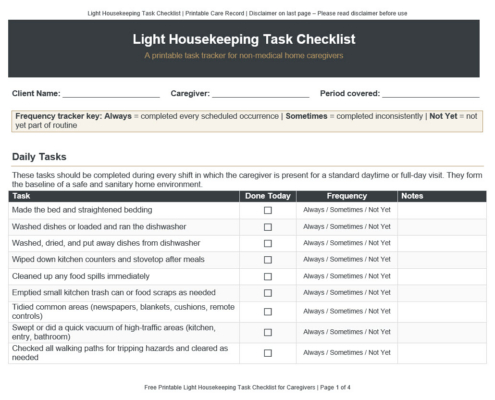 https://carehomecare.com/wp-content/uploads/2026/05/Light-Housekeeping-Checklist-for-Home-Caregivers-1.jpg
832
1080
Moti Gamburd
https://a81019caredemo.wpengine.com/wp-content/uploads/2019/08/CARE-Homecare-Logo-wht.png
Moti Gamburd2026-05-13 11:11:172026-05-14 02:13:21Light Housekeeping Checklist for Home Caregivers | Free Printable PDF
https://carehomecare.com/wp-content/uploads/2026/05/Light-Housekeeping-Checklist-for-Home-Caregivers-1.jpg
832
1080
Moti Gamburd
https://a81019caredemo.wpengine.com/wp-content/uploads/2019/08/CARE-Homecare-Logo-wht.png
Moti Gamburd2026-05-13 11:11:172026-05-14 02:13:21Light Housekeeping Checklist for Home Caregivers | Free Printable PDF https://carehomecare.com/wp-content/uploads/2026/05/Home-Safety-Checklist-for-Seniors-Free-Printable-Room-by-Room-Guide-PDF-Download.jpg
804
1042
Moti Gamburd
https://a81019caredemo.wpengine.com/wp-content/uploads/2019/08/CARE-Homecare-Logo-wht.png
Moti Gamburd2026-05-12 01:27:302026-05-13 02:09:16Home Safety Checklist for Seniors | Room by Room (Free Printable PDF)
https://carehomecare.com/wp-content/uploads/2026/05/Home-Safety-Checklist-for-Seniors-Free-Printable-Room-by-Room-Guide-PDF-Download.jpg
804
1042
Moti Gamburd
https://a81019caredemo.wpengine.com/wp-content/uploads/2019/08/CARE-Homecare-Logo-wht.png
Moti Gamburd2026-05-12 01:27:302026-05-13 02:09:16Home Safety Checklist for Seniors | Room by Room (Free Printable PDF) https://carehomecare.com/wp-content/uploads/2026/05/In-Home-Care-Agency-Checklist-Questions-to-Ask-Before-You-Hire.jpg
831
1078
Moti Gamburd
https://a81019caredemo.wpengine.com/wp-content/uploads/2019/08/CARE-Homecare-Logo-wht.png
Moti Gamburd2026-05-04 01:29:142026-05-13 02:07:13In-Home Care Agency Checklist | Questions to Ask Before You Hire
https://carehomecare.com/wp-content/uploads/2026/05/In-Home-Care-Agency-Checklist-Questions-to-Ask-Before-You-Hire.jpg
831
1078
Moti Gamburd
https://a81019caredemo.wpengine.com/wp-content/uploads/2019/08/CARE-Homecare-Logo-wht.png
Moti Gamburd2026-05-04 01:29:142026-05-13 02:07:13In-Home Care Agency Checklist | Questions to Ask Before You Hire https://carehomecare.com/wp-content/uploads/2026/05/Dementia-Daily-Caregiver-Checklist-Free-Printable-PDF-for-Home-Care.jpg
831
1078
Moti Gamburd
https://a81019caredemo.wpengine.com/wp-content/uploads/2019/08/CARE-Homecare-Logo-wht.png
Moti Gamburd2026-05-03 00:17:592026-05-13 02:09:49Dementia Daily Caregiver Checklist | Free Printable PDF for Home Care
https://carehomecare.com/wp-content/uploads/2026/05/Dementia-Daily-Caregiver-Checklist-Free-Printable-PDF-for-Home-Care.jpg
831
1078
Moti Gamburd
https://a81019caredemo.wpengine.com/wp-content/uploads/2019/08/CARE-Homecare-Logo-wht.png
Moti Gamburd2026-05-03 00:17:592026-05-13 02:09:49Dementia Daily Caregiver Checklist | Free Printable PDF for Home Care https://carehomecare.com/wp-content/uploads/2026/05/ADL-IADL-Checklist-for-Seniors-Free-Printable-Assessment-PDF-Download.jpg
795
1041
Moti Gamburd
https://a81019caredemo.wpengine.com/wp-content/uploads/2019/08/CARE-Homecare-Logo-wht.png
Moti Gamburd2026-05-01 17:41:202026-05-13 02:10:25ADL / IADL Checklist for Seniors - Free Printable Assessment (PDF Download)
https://carehomecare.com/wp-content/uploads/2026/05/ADL-IADL-Checklist-for-Seniors-Free-Printable-Assessment-PDF-Download.jpg
795
1041
Moti Gamburd
https://a81019caredemo.wpengine.com/wp-content/uploads/2019/08/CARE-Homecare-Logo-wht.png
Moti Gamburd2026-05-01 17:41:202026-05-13 02:10:25ADL / IADL Checklist for Seniors - Free Printable Assessment (PDF Download)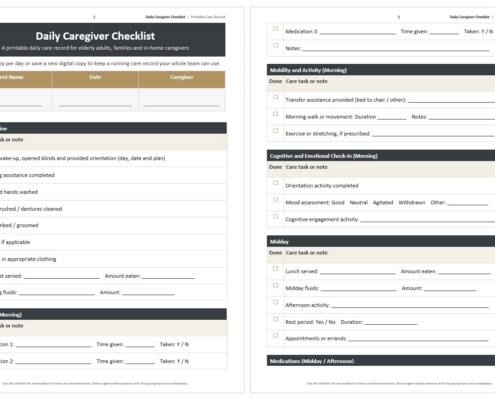 https://carehomecare.com/wp-content/uploads/2026/05/Free-Printable-Caregiver-Daily-Checklist-for-Elderly-PDF-Download.jpg
877
1352
Moti Gamburd
https://a81019caredemo.wpengine.com/wp-content/uploads/2019/08/CARE-Homecare-Logo-wht.png
Moti Gamburd2026-04-21 16:12:122026-05-14 02:01:30Free Printable Caregiver Daily Checklist for Elderly (PDF Download)
https://carehomecare.com/wp-content/uploads/2026/05/Free-Printable-Caregiver-Daily-Checklist-for-Elderly-PDF-Download.jpg
877
1352
Moti Gamburd
https://a81019caredemo.wpengine.com/wp-content/uploads/2019/08/CARE-Homecare-Logo-wht.png
Moti Gamburd2026-04-21 16:12:122026-05-14 02:01:30Free Printable Caregiver Daily Checklist for Elderly (PDF Download) https://carehomecare.com/wp-content/uploads/2026/03/24-7-vs-12-Hour-Shifts-for-Home-Care.jpg
1706
2553
Mendy Perlman
https://a81019caredemo.wpengine.com/wp-content/uploads/2019/08/CARE-Homecare-Logo-wht.png
Mendy Perlman2026-03-14 03:46:542026-03-15 03:52:2924/7 vs 12-Hour Shifts for Home Care - Coverage Models to Compare
https://carehomecare.com/wp-content/uploads/2026/03/24-7-vs-12-Hour-Shifts-for-Home-Care.jpg
1706
2553
Mendy Perlman
https://a81019caredemo.wpengine.com/wp-content/uploads/2019/08/CARE-Homecare-Logo-wht.png
Mendy Perlman2026-03-14 03:46:542026-03-15 03:52:2924/7 vs 12-Hour Shifts for Home Care - Coverage Models to Compare
