
Contents

Key Takeaways
- Caregiver resentment is a relationship alarm that often appears before full burnout.
- Early signs include irritability, numbness, avoidance, and feeling trapped by expectations.
- Family dynamics, vague roles, and default caregiver patterns fuel resentment fast.
- Small changes can make a big difference, especially respite care, boundaries, and shared decision-making.
- Professional in-home support reduces pressure, restores balance, and helps protect relationships.
Why Caregiver Resentment Builds and How to Stop It Early
Caregiver resentment rarely shows up as rage out of nowhere. More often, it starts as a quiet, steady drip of exhaustion that nobody names and nobody shares. You keep doing the right things, you show up, you handle the calls, you manage reminders, you coordinate rides, you soothe the emotions. Then one day you hear yourself snap and it scares you because you love this person.
Resentment is not proof you are cold-hearted. It is usually proof the care load has become lopsided, unclear, or endless.
Talk With a Care Team Before You Hit a Breaking Point
If you’re feeling stretched thin, you don’t have to push through until a breaking point. A quick conversation with a care team can help you map out what support would actually change your day to day. If you’re exploring options in Los Angeles or Orange County, you can reach CARE Homecare through the Contact Us page to talk through a realistic care plan.

What Caregiver Resentment Really Is
Caregiver resentment is not the same thing as burnout and it is not a lack of love. Burnout is often physical and mental depletion. Resentment is more relational. It changes how you feel about the caregiving role, the person you’re helping, and the relationship itself.
Resentment tends to build when responsibility keeps expanding without relief, appreciation, or shared decision-making. Many caregivers did not sign up for what the job became. It can start with helping after a fall, a hospital stay, or a new diagnosis, then it grows into a full-time life structure.
A painful part is the emotional whiplash. You can feel deep loyalty and still feel angry. You can want to help and still feel trapped. When people treat resentment like a shameful secret, it hardens. When you treat it like data, you can fix what’s broken in the system around you.

Why Caregiver Resentment Builds Over Time
Resentment develops gradually as caregiving shifts from a choice into an expectation.
The default caregiver problem
When one person becomes the primary organizer, they absorb daily tasks, care coordination, emotional labor, and crisis management. If that’s you, you’ll recognize the dynamic described in the hidden toll of being the default caregiver. It is not just the hands-on help. It is the constant mental load that never clocks out.
Loss of control and unclear consent
Resentment rises when you feel you had no meaningful choice. Even if you love your parent or spouse fiercely, the feeling of “I have to” instead of “I choose to” can change everything. That’s why care planning needs a real conversation about capacity, limits, and what sustainable looks like.
Invisible labor that goes unnoticed
Tracking symptoms, managing appointments, coordinating transportation, anticipating needs, and staying emotionally regulated is labor. When nobody sees it, caregivers feel unseen. Over time, resentment becomes the emotional interest on unpaid work.
A practical reset is to write down the actual scope of care. Not just bathing or meal prep, also calls, scheduling, errands, night checks, and emotional support. Then decide what must be done by family and what can be shared through CARE Homecare in-home care services that fit your situation.

Early Signs of Caregiver Resentment Families Often Miss
Early resentment is often mistaken for just stress.
You might notice:
- Irritability that feels out of character
- Emotional flatness or numbness
- Avoiding phone calls, texts, or conversations about care
- Feeling bothered by normal requests
- Thinking, “Nobody else sees what I’m carrying”
- A shift from “I want to help” to “I have to do this”
Guilt usually jumps in right after. Caregivers often judge themselves for having these feelings, then they suppress them. If guilt is keeping you stuck, the pattern is laid out clearly in why family caregiver guilt keeps people from asking for help.
A quick gut-check question can help: If a friend told you they were living your exact day, would you call their situation sustainable? If the answer is no, resentment is not the problem. The care structure is.

How Resentment Impacts Care Quality and Family Relationships
Resentment alters relationships long before caregiving ends.
Caregivers often continue completing tasks but with less emotional presence. Tone changes. Patience thins. Small frustrations turn into big arguments. Your loved one senses it and may feel like a burden, which can create even more tension.
Over time, conversations become transactional. Affection decreases. Both sides feel misunderstood, even when everyone is doing their best.
Resentment also increases the odds of crisis decisions, especially during care transitions. A hospital discharge is a common flashpoint because needs spike suddenly and families scramble. If you’re in that window, the reality of those first days is covered in the first 72 hours at home after hospital discharge and it pairs well with CARE Homecare’s post-hospital home care support when families need structure fast.
Why Caregivers Struggle to Admit Resentment
Many caregivers believe resentment equals moral failure. Family narratives often frame caregiving as pure sacrifice, so setting limits can feel like betrayal.
Fear of judgment keeps resentment hidden. People worry they’ll be labeled selfish, ungrateful, or abandoning. Silence gives resentment room to grow. Naming it early is often the first act of protection for the relationship.
If you’re caring for a spouse, the emotional weight can be different than caring for a parent. The strain of those shifting roles is explored in the emotional difference between caring for a parent and a spouse.
How Family Dynamics and Sibling Patterns Fuel Resentment
Family systems often normalize imbalance without meaning to. Some relatives disengage. Others minimize the workload. Some criticize from a distance, which is its own kind of gasoline.
Sibling dynamics are a major resentment trigger. Unequal contribution, second-guessing, and lack of acknowledgment can make the hands-on caregiver feel trapped and judged at the same time. If that’s familiar, this guide on sibling conflict over parent care and how to avoid family feuds is a practical starting point.
A simple decision framework can reduce conflict:
- Define weekly care needs in plain language (tasks, frequency, time).
- Assign ownership, not “helping when possible.”
- Set a communication cadence (one weekly update beats daily chaos).
- Put money and time on the table honestly (who can give what).
- Build a backup plan for illness, travel, and burnout.
What Actually Helps Stop Resentment Early
Resentment does not respond well to pep talks. It responds to support, boundaries, and a plan.
Clarify what non-medical home care can take off your plate
Many families wait too long because they assume support means medical care. Non-medical in-home caregiving can cover a lot of the daily load, especially help with routines, meals, light housekeeping, companionship, transportation, and personal care assistance. If you want a clean breakdown, start with what home care is and then review what home care providers do day to day.
If your situation includes skilled medical needs, it helps to understand the line between services. This comparison of home care vs home health care can prevent confusion and delays.
Use respite care before you “deserve” it
Respite care is not a reward for suffering. It is maintenance. Even a few predictable hours off each week can lower irritability and bring back patience. The goal is to prevent resentment from becoming the new emotional baseline.
Set boundaries that match reality
Try scripts that keep it calm but clear:
- “I can do mornings. I cannot do nights. We need a plan for evenings.”
- “I can manage appointments. I cannot also handle daily meals and laundry.”
- “I’m at capacity. If we don’t add support, something will break.”
Protect sleep and recovery time like it’s part of the care plan
Sleep loss makes every request feel like an invasion. If nights are the problem, explore structured scheduling options like overnight support or higher coverage models. Families often find clarity by reviewing types of home care and scheduling models.
Resentment eases when caregiving becomes a role again, not an identity. Agencies can help stabilize routines, reduce decision fatigue, and create consistency that family members alone struggle to sustain.
If you’re evaluating providers, this step-by-step guide on how to choose a home care agency can help you ask better questions and avoid mismatches.
How Professional Home Care Reduces Resentment
Professional care helps most when it is treated as shared care, not an emergency substitute.
What often changes quickly when the right support is in place:
- The default caregiver gets real breaks, not breaks while doing chores.
- Your loved one receives consistent help with routines, which reduces friction.
- Family conversations shift from crisis mode to planning mode.
- Emotional strain drops because you are no longer carrying every moment alone.
Depending on needs, support may include companionship through social engagement and companionship, help with meals via meal planning and preparation support, or practical logistics like transportation assistance.
When Home Support Is Not Enough
Sometimes resentment is a clue that the care needs have outgrown what one household can safely manage. Red flags include frequent falls, unsafe wandering, repeated hospitalizations, aggressive behaviors that put anyone at risk, or a caregiver who cannot sleep or work consistently.
In those cases, the next step might be higher coverage at home, or considering a different setting. The goal is not giving up. The goal is keeping everyone safe while preserving the relationship.
Support That Prevents Burnout and Protects Relationships
Caregiving should not require silent sacrifice. CARE Homecare supports families across Los Angeles and Orange County with professional in-home care designed to reduce emotional strain, prevent resentment, and protect family relationships.
If you want to talk through next steps, start with the Contact Us and ask for a practical care planning conversation based on your real week, not an ideal one.
You can also reach us via email or by giving us a call.
Address: 1156 North Gardner Street, West Hollywood, CA 90046
Telephone: (323) 851-1422
Email: info@carehomecare.com

Sources & Additional Resources
CDC: Caring for Yourself When Caring for Another
National Institute on Aging (NIH): Caregiving
National Institute on Aging (NIH): Taking Care of Yourself as a Caregiver
National Institute on Aging (NIH): Getting Started With Caregiving
MedlinePlus (NIH): Health Information for Patients and Families
Family Caregiver Alliance: Caregiver Education and Support
Cleveland Clinic: Caregiver Burnout (Symptoms and Prevention)
Disclaimer:
This content is for general educational purposes only and is not a substitute for professional medical, mental health, legal, or financial advice. If you need personal guidance, talk with a licensed clinician or qualified professional. If you or someone you care for is in immediate danger, call 911 or go to the nearest emergency room. If you are in the U.S. and experiencing a mental health crisis, you can call or text 988, or use online chat via the 988 Suicide & Crisis Lifeline.
 https://carehomecare.com/wp-content/uploads/2026/05/Post-Surgery-Home-Care-Checklist-Non-Medical-Support-for-Recovery-at-Home-Free-PDF-and-Word-Download.jpg
839
1315
Moti Gamburd
https://a81019caredemo.wpengine.com/wp-content/uploads/2019/08/CARE-Homecare-Logo-wht.png
Moti Gamburd2026-05-14 20:03:392026-05-14 20:03:39Free Post-Surgery Home Care Checklist | Non-Medical Support for Recovery at Home | PDF or Word Print or Download
https://carehomecare.com/wp-content/uploads/2026/05/Post-Surgery-Home-Care-Checklist-Non-Medical-Support-for-Recovery-at-Home-Free-PDF-and-Word-Download.jpg
839
1315
Moti Gamburd
https://a81019caredemo.wpengine.com/wp-content/uploads/2019/08/CARE-Homecare-Logo-wht.png
Moti Gamburd2026-05-14 20:03:392026-05-14 20:03:39Free Post-Surgery Home Care Checklist | Non-Medical Support for Recovery at Home | PDF or Word Print or Download https://carehomecare.com/wp-content/uploads/2026/05/Home-Care-Supplies-Preparation-Checklist.jpg
842
1316
Moti Gamburd
https://a81019caredemo.wpengine.com/wp-content/uploads/2019/08/CARE-Homecare-Logo-wht.png
Moti Gamburd2026-05-14 18:49:452026-05-14 18:49:45Home Care Supplies Checklist | What to Have Ready Before Care Starts | Free Printable PDF
https://carehomecare.com/wp-content/uploads/2026/05/Home-Care-Supplies-Preparation-Checklist.jpg
842
1316
Moti Gamburd
https://a81019caredemo.wpengine.com/wp-content/uploads/2019/08/CARE-Homecare-Logo-wht.png
Moti Gamburd2026-05-14 18:49:452026-05-14 18:49:45Home Care Supplies Checklist | What to Have Ready Before Care Starts | Free Printable PDF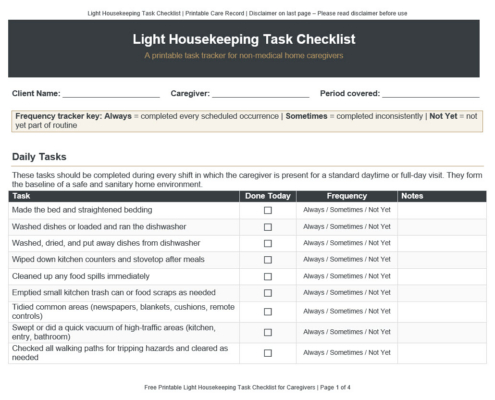 https://carehomecare.com/wp-content/uploads/2026/05/Light-Housekeeping-Checklist-for-Home-Caregivers-1.jpg
832
1080
Moti Gamburd
https://a81019caredemo.wpengine.com/wp-content/uploads/2019/08/CARE-Homecare-Logo-wht.png
Moti Gamburd2026-05-13 11:11:172026-05-14 02:13:21Light Housekeeping Checklist for Home Caregivers | Free Printable PDF
https://carehomecare.com/wp-content/uploads/2026/05/Light-Housekeeping-Checklist-for-Home-Caregivers-1.jpg
832
1080
Moti Gamburd
https://a81019caredemo.wpengine.com/wp-content/uploads/2019/08/CARE-Homecare-Logo-wht.png
Moti Gamburd2026-05-13 11:11:172026-05-14 02:13:21Light Housekeeping Checklist for Home Caregivers | Free Printable PDF https://carehomecare.com/wp-content/uploads/2026/05/Home-Safety-Checklist-for-Seniors-Free-Printable-Room-by-Room-Guide-PDF-Download.jpg
804
1042
Moti Gamburd
https://a81019caredemo.wpengine.com/wp-content/uploads/2019/08/CARE-Homecare-Logo-wht.png
Moti Gamburd2026-05-12 01:27:302026-05-13 02:09:16Home Safety Checklist for Seniors | Room by Room (Free Printable PDF)
https://carehomecare.com/wp-content/uploads/2026/05/Home-Safety-Checklist-for-Seniors-Free-Printable-Room-by-Room-Guide-PDF-Download.jpg
804
1042
Moti Gamburd
https://a81019caredemo.wpengine.com/wp-content/uploads/2019/08/CARE-Homecare-Logo-wht.png
Moti Gamburd2026-05-12 01:27:302026-05-13 02:09:16Home Safety Checklist for Seniors | Room by Room (Free Printable PDF) https://carehomecare.com/wp-content/uploads/2026/05/In-Home-Care-Agency-Checklist-Questions-to-Ask-Before-You-Hire.jpg
831
1078
Moti Gamburd
https://a81019caredemo.wpengine.com/wp-content/uploads/2019/08/CARE-Homecare-Logo-wht.png
Moti Gamburd2026-05-04 01:29:142026-05-13 02:07:13In-Home Care Agency Checklist | Questions to Ask Before You Hire
https://carehomecare.com/wp-content/uploads/2026/05/In-Home-Care-Agency-Checklist-Questions-to-Ask-Before-You-Hire.jpg
831
1078
Moti Gamburd
https://a81019caredemo.wpengine.com/wp-content/uploads/2019/08/CARE-Homecare-Logo-wht.png
Moti Gamburd2026-05-04 01:29:142026-05-13 02:07:13In-Home Care Agency Checklist | Questions to Ask Before You Hire https://carehomecare.com/wp-content/uploads/2026/05/Dementia-Daily-Caregiver-Checklist-Free-Printable-PDF-for-Home-Care.jpg
831
1078
Moti Gamburd
https://a81019caredemo.wpengine.com/wp-content/uploads/2019/08/CARE-Homecare-Logo-wht.png
Moti Gamburd2026-05-03 00:17:592026-05-13 02:09:49Dementia Daily Caregiver Checklist | Free Printable PDF for Home Care
https://carehomecare.com/wp-content/uploads/2026/05/Dementia-Daily-Caregiver-Checklist-Free-Printable-PDF-for-Home-Care.jpg
831
1078
Moti Gamburd
https://a81019caredemo.wpengine.com/wp-content/uploads/2019/08/CARE-Homecare-Logo-wht.png
Moti Gamburd2026-05-03 00:17:592026-05-13 02:09:49Dementia Daily Caregiver Checklist | Free Printable PDF for Home Care https://carehomecare.com/wp-content/uploads/2026/05/ADL-IADL-Checklist-for-Seniors-Free-Printable-Assessment-PDF-Download.jpg
795
1041
Moti Gamburd
https://a81019caredemo.wpengine.com/wp-content/uploads/2019/08/CARE-Homecare-Logo-wht.png
Moti Gamburd2026-05-01 17:41:202026-05-13 02:10:25ADL / IADL Checklist for Seniors - Free Printable Assessment (PDF Download)
https://carehomecare.com/wp-content/uploads/2026/05/ADL-IADL-Checklist-for-Seniors-Free-Printable-Assessment-PDF-Download.jpg
795
1041
Moti Gamburd
https://a81019caredemo.wpengine.com/wp-content/uploads/2019/08/CARE-Homecare-Logo-wht.png
Moti Gamburd2026-05-01 17:41:202026-05-13 02:10:25ADL / IADL Checklist for Seniors - Free Printable Assessment (PDF Download)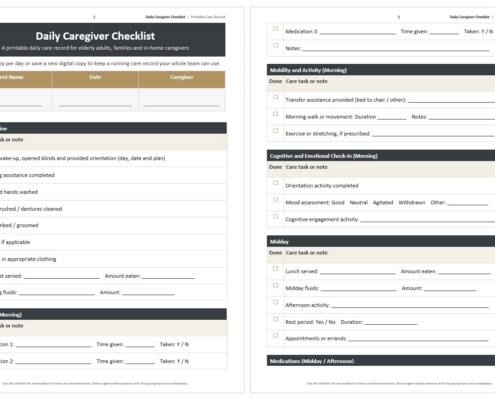 https://carehomecare.com/wp-content/uploads/2026/05/Free-Printable-Caregiver-Daily-Checklist-for-Elderly-PDF-Download.jpg
877
1352
Moti Gamburd
https://a81019caredemo.wpengine.com/wp-content/uploads/2019/08/CARE-Homecare-Logo-wht.png
Moti Gamburd2026-04-21 16:12:122026-05-14 02:01:30Free Printable Caregiver Daily Checklist for Elderly (PDF Download)
https://carehomecare.com/wp-content/uploads/2026/05/Free-Printable-Caregiver-Daily-Checklist-for-Elderly-PDF-Download.jpg
877
1352
Moti Gamburd
https://a81019caredemo.wpengine.com/wp-content/uploads/2019/08/CARE-Homecare-Logo-wht.png
Moti Gamburd2026-04-21 16:12:122026-05-14 02:01:30Free Printable Caregiver Daily Checklist for Elderly (PDF Download) https://carehomecare.com/wp-content/uploads/2026/03/24-7-vs-12-Hour-Shifts-for-Home-Care.jpg
1706
2553
Mendy Perlman
https://a81019caredemo.wpengine.com/wp-content/uploads/2019/08/CARE-Homecare-Logo-wht.png
Mendy Perlman2026-03-14 03:46:542026-03-15 03:52:2924/7 vs 12-Hour Shifts for Home Care - Coverage Models to Compare
https://carehomecare.com/wp-content/uploads/2026/03/24-7-vs-12-Hour-Shifts-for-Home-Care.jpg
1706
2553
Mendy Perlman
https://a81019caredemo.wpengine.com/wp-content/uploads/2019/08/CARE-Homecare-Logo-wht.png
Mendy Perlman2026-03-14 03:46:542026-03-15 03:52:2924/7 vs 12-Hour Shifts for Home Care - Coverage Models to Compare
