
Contents
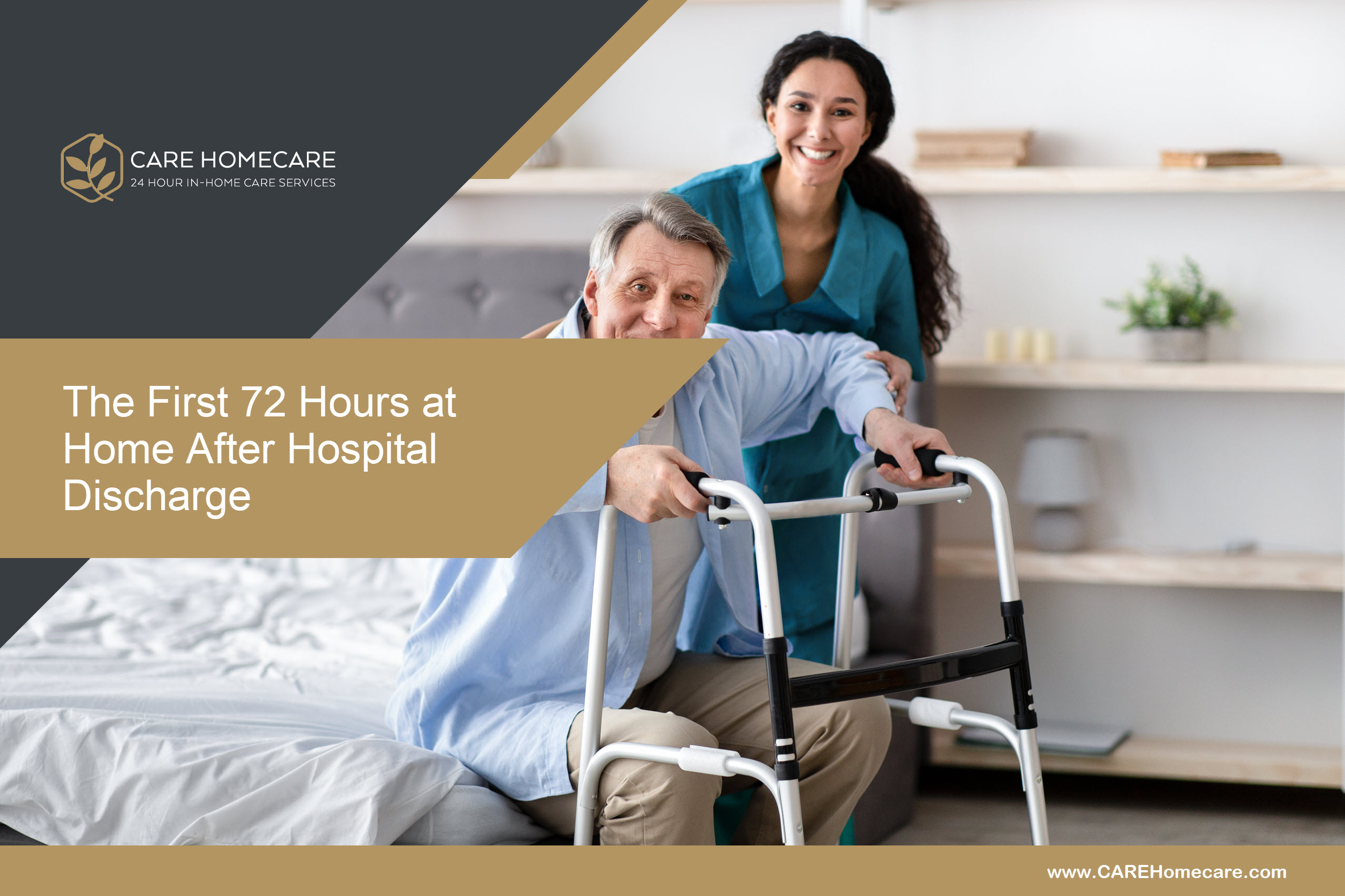
The First 72 Hours at Home After Hospital Discharge
Leaving the hospital is often a moment of relief, but it can also be the start of a fragile period. The first 72 hours at home after hospital discharge are critical. Families quickly discover that recovery does not begin and end at the hospital door. In fact, research shows that nearly 20% of Medicare patients are readmitted within 30 days of discharge, often due to preventable complications.
This transition is where in-home care proves invaluable. At CARE Homecare, we have seen how structured support starting before being discharged from the hospital and during the first three days can stabilize routines, reduce risks and bring peace of mind to families.
Key Takeaways
- The first 72 hours after hospital discharge are a high-risk period for complications and readmissions
- Families often underestimate the demands of post-discharge care
- Professional caregivers provide stability with medication management, mobility support, and emotional reassurance
- Nutrition, hydration, and bathroom safety are critical to recovery
- CARE Homecare offers structured, compassionate support to ensure a safe and smooth transition home
Home Care Caregivers in Los Angeles and Orange County
CARE Homecare offers hourly and 24-hour in-home care services across LA and Orange Counties.
Speak with one of our Los Angeles or Orange County after hospital home care specialists today.
Why the First 72 Hours Matter
The initial three days at home set the tone for recovery. Patients are adapting to a less controlled environment without 24-hour access to nurses and doctors. Medications may be new or adjusted, dietary restrictions may need strict attention, and mobility is often compromised. Without professional oversight, small issues like dehydration, skipped medications or missed wound care can escalate quickly.
For seniors or those with chronic conditions, the first 72 hours can feel overwhelming. Fatigue, disorientation and discomfort make it harder to follow discharge instructions. Families often try to fill the gap, but the reality of hands-on care, assisting with mobility, preparing safe meals and monitoring symptoms, can quickly exceed what relatives are prepared for.
Setting Up the Home for Success
Preparation before discharge is just as important as what happens afterward. Families should assess the home environment to ensure safety and accessibility. That may mean rearranging furniture, clearing pathways, adding bathroom supports, or adjusting sleeping arrangements.
Our light housekeeping services help create a safe, clutter-free environment that reduces fall risks and promotes healing. Beyond physical adjustments, families should also prepare emotionally. Patients may feel anxious about losing hospital support. A structured plan and compassionate caregiver presence help ease this transition.
The Role of Medication Management
Medication mismanagement is one of the top causes of hospital readmissions. Patients are often discharged with new prescriptions, altered dosages or complex schedules. Family members may not fully understand instructions, and confusion is common.
Our medication assistance services ensure that prescriptions are taken on time and according to doctor recommendations. Caregivers can also track side effects and report concerns to healthcare providers before they become emergencies.
According to the CDC, “More than 1.5 million people visit emergency departments for ADEs (adverse drug event) each year in the United States, and almost 500,000 require hospitalization.” Having trained support in place dramatically lowers this risk.
Nutrition and Hydration in the First Days
A healthy diet supports recovery, yet many patients return home with poor appetite, difficulty chewing or dietary restrictions. Families may underestimate how important hydration and balanced meals are in preventing complications like infections, delayed wound healing, and fatigue.
Meal preparation services from CARE Homecare provide seniors with nutrient-rich meals tailored to their needs. Beyond nutrition, caregivers can encourage eating and drinking at regular intervals, something that patients may neglect when left on their own.
Mobility and Fall Prevention
Falls are among the greatest dangers during post-hospital recovery. Muscle weakness, new medications, or lingering dizziness increase the likelihood of accidents. Even one fall can set back recovery significantly.
Our exercise and strengthening support helps patients regain balance and confidence. Caregivers also assist with transfers from bed to chair, bathroom trips, and short walks, ensuring safety while promoting activity.
Simple adjustments, like supervised bathroom visits or moving frequently used items within reach, make a big difference in reducing risk.
Emotional and Mental Health
The emotional toll of hospital discharge is often overlooked. Patients may feel anxious, depressed or fearful of relapse. Family caregivers may also feel overwhelmed by responsibility.
CARE Homecare recognizes the value of emotional support. Our companionship services provide patients with someone who listens, reassures, and encourages. Social interaction is proven to improve mood, cognitive function, and overall quality of life (National Institute on Aging).
Caregiver Involvement and Family Relief
Family members often underestimate the demands of post-discharge care. Assisting with bathing, dressing, toileting and mobility can be physically exhausting. Managing medications and coordinating follow-up appointments requires constant attention.
Our caregivers bridge this gap with hands-on support for activities of daily living (what are ADLs?). Whether it’s helping with hygiene or providing safe transportation to follow-up visits, our team allows family members to step back from the most demanding tasks so they can focus on emotional support.
The First Night at Home
The first night is particularly challenging. Hospitals provide constant monitoring, but at home the patient and family may feel vulnerable. Symptoms may worsen, pain may increase or confusion may set in. For families already exhausted, sleep becomes difficult.
This is where 24-hour home care becomes essential. Having professional caregivers available overnight ensures that patients receive immediate help, reducing stress and preventing emergencies. Families rest easier knowing someone experienced is always nearby.
Coordinating Follow-Up Care
Discharge instructions typically include follow-up appointments, therapy sessions or lab work. Missing these appointments can delay recovery or cause complications. Transportation becomes a key challenge, especially for seniors who cannot drive.
CARE Homecare provides transportation assistance, ensuring that patients arrive safely and on time. Caregivers also help track upcoming appointments, organize paperwork and communicate with healthcare providers to keep the recovery plan on track.
How CARE Homecare Supports the First 72 Hours
At CARE Homecare, we approach the first three days at home with a proven structure. Our caregivers focus on safety, nutrition, medication reminders, mobility support and emotional reassurance. Each plan is personalized to the patient’s unique needs, whether they require basic home care services (see services) or specialized support for conditions like dementia (explore dementia care).
We also collaborate with families to create continuity. Relatives are updated regularly, and care plans can be adjusted based on feedback from patients, families and healthcare providers.
The first three days at home after a hospital stay are not just about rest. They are about rebuilding safety, stability and confidence in a new environment without the constant oversight of hospital staff. With expert guidance and compassionate caregivers, families can avoid setbacks and focus on healing.
At CARE Homecare, we specialize in providing home care in Los Angeles and Orange County (see service areas) that address the full spectrum of needs during this crucial period. If you or a loved one is preparing for hospital discharge, don’t leave recovery to chance.
Contact CARE Homecare today to learn how we can make the first 72 hours at home safe, smooth and supportive.

 https://carehomecare.com/wp-content/uploads/2026/05/Post-Surgery-Home-Care-Checklist-Non-Medical-Support-for-Recovery-at-Home-Free-PDF-and-Word-Download.jpg
839
1315
Moti Gamburd
https://a81019caredemo.wpengine.com/wp-content/uploads/2019/08/CARE-Homecare-Logo-wht.png
Moti Gamburd2026-05-14 20:03:392026-05-14 20:03:39Free Post-Surgery Home Care Checklist | Non-Medical Support for Recovery at Home | PDF or Word Print or Download
https://carehomecare.com/wp-content/uploads/2026/05/Post-Surgery-Home-Care-Checklist-Non-Medical-Support-for-Recovery-at-Home-Free-PDF-and-Word-Download.jpg
839
1315
Moti Gamburd
https://a81019caredemo.wpengine.com/wp-content/uploads/2019/08/CARE-Homecare-Logo-wht.png
Moti Gamburd2026-05-14 20:03:392026-05-14 20:03:39Free Post-Surgery Home Care Checklist | Non-Medical Support for Recovery at Home | PDF or Word Print or Download https://carehomecare.com/wp-content/uploads/2026/05/Home-Care-Supplies-Preparation-Checklist.jpg
842
1316
Moti Gamburd
https://a81019caredemo.wpengine.com/wp-content/uploads/2019/08/CARE-Homecare-Logo-wht.png
Moti Gamburd2026-05-14 18:49:452026-05-14 18:49:45Home Care Supplies Checklist | What to Have Ready Before Care Starts | Free Printable PDF
https://carehomecare.com/wp-content/uploads/2026/05/Home-Care-Supplies-Preparation-Checklist.jpg
842
1316
Moti Gamburd
https://a81019caredemo.wpengine.com/wp-content/uploads/2019/08/CARE-Homecare-Logo-wht.png
Moti Gamburd2026-05-14 18:49:452026-05-14 18:49:45Home Care Supplies Checklist | What to Have Ready Before Care Starts | Free Printable PDF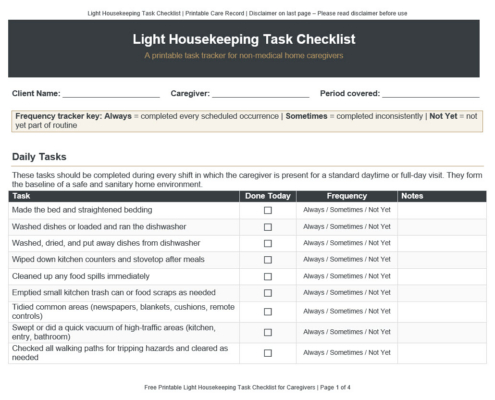 https://carehomecare.com/wp-content/uploads/2026/05/Light-Housekeeping-Checklist-for-Home-Caregivers-1.jpg
832
1080
Moti Gamburd
https://a81019caredemo.wpengine.com/wp-content/uploads/2019/08/CARE-Homecare-Logo-wht.png
Moti Gamburd2026-05-13 11:11:172026-05-14 02:13:21Light Housekeeping Checklist for Home Caregivers | Free Printable PDF
https://carehomecare.com/wp-content/uploads/2026/05/Light-Housekeeping-Checklist-for-Home-Caregivers-1.jpg
832
1080
Moti Gamburd
https://a81019caredemo.wpengine.com/wp-content/uploads/2019/08/CARE-Homecare-Logo-wht.png
Moti Gamburd2026-05-13 11:11:172026-05-14 02:13:21Light Housekeeping Checklist for Home Caregivers | Free Printable PDF https://carehomecare.com/wp-content/uploads/2026/05/Home-Safety-Checklist-for-Seniors-Free-Printable-Room-by-Room-Guide-PDF-Download.jpg
804
1042
Moti Gamburd
https://a81019caredemo.wpengine.com/wp-content/uploads/2019/08/CARE-Homecare-Logo-wht.png
Moti Gamburd2026-05-12 01:27:302026-05-13 02:09:16Home Safety Checklist for Seniors | Room by Room (Free Printable PDF)
https://carehomecare.com/wp-content/uploads/2026/05/Home-Safety-Checklist-for-Seniors-Free-Printable-Room-by-Room-Guide-PDF-Download.jpg
804
1042
Moti Gamburd
https://a81019caredemo.wpengine.com/wp-content/uploads/2019/08/CARE-Homecare-Logo-wht.png
Moti Gamburd2026-05-12 01:27:302026-05-13 02:09:16Home Safety Checklist for Seniors | Room by Room (Free Printable PDF) https://carehomecare.com/wp-content/uploads/2026/05/In-Home-Care-Agency-Checklist-Questions-to-Ask-Before-You-Hire.jpg
831
1078
Moti Gamburd
https://a81019caredemo.wpengine.com/wp-content/uploads/2019/08/CARE-Homecare-Logo-wht.png
Moti Gamburd2026-05-04 01:29:142026-05-13 02:07:13In-Home Care Agency Checklist | Questions to Ask Before You Hire
https://carehomecare.com/wp-content/uploads/2026/05/In-Home-Care-Agency-Checklist-Questions-to-Ask-Before-You-Hire.jpg
831
1078
Moti Gamburd
https://a81019caredemo.wpengine.com/wp-content/uploads/2019/08/CARE-Homecare-Logo-wht.png
Moti Gamburd2026-05-04 01:29:142026-05-13 02:07:13In-Home Care Agency Checklist | Questions to Ask Before You Hire https://carehomecare.com/wp-content/uploads/2026/05/Dementia-Daily-Caregiver-Checklist-Free-Printable-PDF-for-Home-Care.jpg
831
1078
Moti Gamburd
https://a81019caredemo.wpengine.com/wp-content/uploads/2019/08/CARE-Homecare-Logo-wht.png
Moti Gamburd2026-05-03 00:17:592026-05-13 02:09:49Dementia Daily Caregiver Checklist | Free Printable PDF for Home Care
https://carehomecare.com/wp-content/uploads/2026/05/Dementia-Daily-Caregiver-Checklist-Free-Printable-PDF-for-Home-Care.jpg
831
1078
Moti Gamburd
https://a81019caredemo.wpengine.com/wp-content/uploads/2019/08/CARE-Homecare-Logo-wht.png
Moti Gamburd2026-05-03 00:17:592026-05-13 02:09:49Dementia Daily Caregiver Checklist | Free Printable PDF for Home Care https://carehomecare.com/wp-content/uploads/2026/05/ADL-IADL-Checklist-for-Seniors-Free-Printable-Assessment-PDF-Download.jpg
795
1041
Moti Gamburd
https://a81019caredemo.wpengine.com/wp-content/uploads/2019/08/CARE-Homecare-Logo-wht.png
Moti Gamburd2026-05-01 17:41:202026-05-13 02:10:25ADL / IADL Checklist for Seniors - Free Printable Assessment (PDF Download)
https://carehomecare.com/wp-content/uploads/2026/05/ADL-IADL-Checklist-for-Seniors-Free-Printable-Assessment-PDF-Download.jpg
795
1041
Moti Gamburd
https://a81019caredemo.wpengine.com/wp-content/uploads/2019/08/CARE-Homecare-Logo-wht.png
Moti Gamburd2026-05-01 17:41:202026-05-13 02:10:25ADL / IADL Checklist for Seniors - Free Printable Assessment (PDF Download)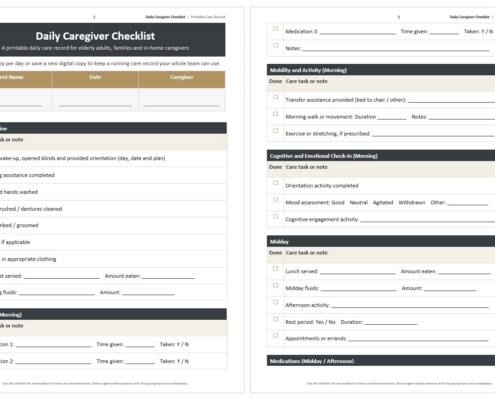 https://carehomecare.com/wp-content/uploads/2026/05/Free-Printable-Caregiver-Daily-Checklist-for-Elderly-PDF-Download.jpg
877
1352
Moti Gamburd
https://a81019caredemo.wpengine.com/wp-content/uploads/2019/08/CARE-Homecare-Logo-wht.png
Moti Gamburd2026-04-21 16:12:122026-05-14 02:01:30Free Printable Caregiver Daily Checklist for Elderly (PDF Download)
https://carehomecare.com/wp-content/uploads/2026/05/Free-Printable-Caregiver-Daily-Checklist-for-Elderly-PDF-Download.jpg
877
1352
Moti Gamburd
https://a81019caredemo.wpengine.com/wp-content/uploads/2019/08/CARE-Homecare-Logo-wht.png
Moti Gamburd2026-04-21 16:12:122026-05-14 02:01:30Free Printable Caregiver Daily Checklist for Elderly (PDF Download) https://carehomecare.com/wp-content/uploads/2026/03/24-7-vs-12-Hour-Shifts-for-Home-Care.jpg
1706
2553
Mendy Perlman
https://a81019caredemo.wpengine.com/wp-content/uploads/2019/08/CARE-Homecare-Logo-wht.png
Mendy Perlman2026-03-14 03:46:542026-03-15 03:52:2924/7 vs 12-Hour Shifts for Home Care - Coverage Models to Compare
https://carehomecare.com/wp-content/uploads/2026/03/24-7-vs-12-Hour-Shifts-for-Home-Care.jpg
1706
2553
Mendy Perlman
https://a81019caredemo.wpengine.com/wp-content/uploads/2019/08/CARE-Homecare-Logo-wht.png
Mendy Perlman2026-03-14 03:46:542026-03-15 03:52:2924/7 vs 12-Hour Shifts for Home Care - Coverage Models to Compare
