
Contents

Sibling Conflict Over Parent Care – How to Avoid Family Feuds
When a parent begins to need care, sibling relationships often change faster than anyone expects. Conversations that once felt manageable suddenly feel tense. Old disagreements resurface. Decisions feel urgent and deeply personal. What starts as concern for a parent can quietly turn into conflict between siblings.
Sibling conflict over parent care is not a sign of a dysfunctional family. It is a predictable response to stress, fear, unequal responsibility, and long-standing family roles. Without structure, these conflicts escalate and damage both relationships and care quality. With the right strategies, they can be prevented and often repaired.
Key Takeaways
- Sibling conflict over parent care is common and predictable.
- Childhood roles strongly influence adult caregiving dynamics.
- Power and decision authority fuel many disputes.
- Fair contribution does not require equal effort.
- Structured planning prevents resentment more effectively than emotion alone.
- Professional care stabilizes family systems and reduces conflict.
- Early support protects both care quality and sibling relationships.
Support That Reduces Sibling Tension and Relieves Caregiver Guilt Across Los Angeles and Orange County
Needing help does not mean one sibling failed or another did not do enough. It means your family is facing a complex care situation that requires shared responsibility and clear support. CARE Homecare helps families across Los Angeles and Orange County reduce conflict, ease caregiver guilt, and protect relationships by introducing professional in-home care that brings structure to emotionally charged decisions.
Our trained caregivers support daily routines, mobility, meal preparation, companionship, medication reminders, and home safety. This outside support removes pressure from sibling roles, prevents burnout, and allows families to participate in care without turning every decision into a power struggle. Professional care makes it easier for siblings to show up as family, not adversaries.
When care responsibilities are shared, guilt softens, resentment decreases, and care decisions become collaborative instead of personal. Give us a call to discuss a care plan that supports your parent while preserving sibling relationships.

Why Sibling Conflict Over Parent Care Is So Common
Caregiving decisions force siblings to confront uncomfortable realities at the same time. Declining health. Loss of independence. Uncertainty about the future. These conversations rarely happen calmly or with preparation. They often occur after a fall, a hospitalization, or a sudden safety scare.
Siblings frequently disagree on what good care looks like. One may prioritize safety and professional help. Another may prioritize independence or believe family should handle everything. These disagreements are not just about logistics. They are shaped by guilt, fear, values, and each sibling’s emotional relationship with the parent.
Unequal access to information makes conflict worse. The sibling closest to the parent sees daily challenges. Others may rely on phone updates or outdated assumptions. Without shared context, intentions are misread and trust erodes.

The Sibling Roles That Drive Caregiving Conflict
Most families revert to long-established roles when stress increases. Caregiving intensifies these roles rather than creating new ones.
The Local or Default Caregiver
This sibling lives nearby or becomes the primary caregiver by circumstance. They handle daily tasks, appointments, and emergencies. Over time, they may feel overwhelmed, unseen, and resentful when others question decisions without sharing the workload. This pattern mirrors the experience described in the hidden toll of being the default caregiver.
The Long-Distance Sibling
Often less involved day to day, this sibling may minimize concerns or offer opinions without seeing daily realities. Their input may be driven by guilt or fear, which can come across as criticism rather than support.
The Financial Gatekeeper
This sibling focuses on costs, budgets, and long-term planning. While practical considerations matter, financial control can feel invalidating to siblings carrying emotional and physical labor.
The Avoidant Sibling
This sibling withdraws from decisions, delays conversations, or avoids involvement altogether. Their absence increases pressure on others and often becomes a major source of resentment.
The Crisis-Only Sibling
Appears during emergencies, then disappears once stability returns. Their involvement may feel disruptive rather than helpful.
Recognizing these roles shifts conflict from personal blame to pattern awareness.

Power, Control, and Authority in Sibling Care Decisions
Sibling conflict is rarely just about tasks. It is about who decides.
Questions that quietly drive conflict include who talks to doctors, who manages medications and safety, who controls finances, who has legal authority, and whose opinion carries the most weight.
When responsibility and authority are misaligned, resentment grows. One sibling may feel burdened with accountability but overruled in decisions. Another may feel excluded while still feeling entitled to control outcomes.
Without clear structure, power struggles replace collaboration and care decisions become personal battles.
Unequal Contribution vs Perceived Fairness
One of the most damaging myths in family caregiving is that contribution must be equal to be fair.
Siblings differ in proximity, health, finances, schedules, and emotional capacity. Equal effort is rarely realistic. What families need instead is visible and acknowledged contribution.
Conflict arises when daily labor is invisible, sacrifices go unrecognized, or expectations are never discussed. Families reduce resentment by clearly defining roles, naming different forms of contribution, and revisiting agreements as needs evolve.
Using shared language around care needs, such as ADLs and IADLs, helps keep conversations objective rather than emotional.
Why “Just Talk It Out” Rarely Works
Families are often told to communicate better. While communication matters, it is rarely enough on its own. Care conversations are emotionally loaded, time-sensitive, and tied to identity, guilt, and fear.
Siblings enter discussions with different information, stress levels, and emotional stakes. One may be exhausted from daily care. Another may be reacting to guilt from a distance. Without shared facts and defined goals, conversations turn into debates about intentions rather than plans.
These discussions often happen during high-pressure transitions like those described in the first 72 hours at home after hospital discharge, when urgency amplifies defensiveness.
Expert Frameworks to Prevent Sibling Conflict Over Care
Preventing sibling conflict requires systems, not emotional endurance.
Create a shared care picture. Outline care needs, safety concerns, and daily tasks so all siblings work from the same information.
Define decision roles. Clarify who coordinates care, who manages finances, and who provides emotional support. One decision-maker with input is often more effective than consensus chaos.
Document agreements. Written plans reduce misunderstandings and protect relationships by shifting conversations from accusation to accountability.
Reassess regularly. Care needs change. Plans should too.

How Professional Care Reduces Sibling Tension
Professional care introduces neutrality into emotionally charged family systems. Tasks are handled consistently. Expectations become clearer. Siblings argue less about who is doing what.
Understanding what home care providers do and the real home care benefits helps families see support as a stabilizing force rather than a loss of control.
Professional care does not replace family involvement. It protects it.
Addressing Guilt and Control in Sibling Dynamics
Some siblings resist professional care out of guilt. Others resist because control has become their way of managing anxiety. Both reactions are common and understandable.
When responsibility is shared, guilt softens and control struggles ease. Decisions feel less personal and outcomes feel less like judgment. This reframing connects closely to the patterns explored in why family caregiver guilt keeps people from asking for help.
The Long-Term Cost of Unresolved Sibling Conflict
When sibling conflict goes unmanaged, the consequences can last long after caregiving ends. Families experience permanent estrangement, crisis-driven care decisions, and lingering resentment that surfaces years later.
Preventing conflict is not just about today’s care. It is about preserving family relationships long after a parent’s care needs change.
When to Bring in Outside Guidance Before Conflict Becomes Permanent
Warning signs that outside support is needed include repetitive arguments, avoidance of care discussions, decision paralysis, or one sibling quietly carrying most of the burden.
Outside guidance introduces neutrality and structure. Learning how to choose a home care agency helps families shift conversations from opinion to objective criteria.
Support That Protects Families and Preserves Relationships
Caregiving should not fracture families. CARE Homecare supports families across Los Angeles and Orange County with professional in-home care that reduces conflict, shares responsibility, and keeps parents safe at home.
Whether your family needs short-term help or ongoing support, our team helps create clarity so siblings can focus on being family, not fighting over care.
Visit our Contact Us page to discuss a care plan designed to support your parent and protect your family relationships.
You can also reach us via email or by giving us a call.
Address: 1156 North Gardner Street, West Hollywood, CA 90046
Telephone: (323) 851-1422
Email: info@carehomecare.com

 https://carehomecare.com/wp-content/uploads/2026/05/Post-Surgery-Home-Care-Checklist-Non-Medical-Support-for-Recovery-at-Home-Free-PDF-and-Word-Download.jpg
839
1315
Moti Gamburd
https://a81019caredemo.wpengine.com/wp-content/uploads/2019/08/CARE-Homecare-Logo-wht.png
Moti Gamburd2026-05-14 20:03:392026-05-14 20:03:39Free Post-Surgery Home Care Checklist | Non-Medical Support for Recovery at Home | PDF or Word Print or Download
https://carehomecare.com/wp-content/uploads/2026/05/Post-Surgery-Home-Care-Checklist-Non-Medical-Support-for-Recovery-at-Home-Free-PDF-and-Word-Download.jpg
839
1315
Moti Gamburd
https://a81019caredemo.wpengine.com/wp-content/uploads/2019/08/CARE-Homecare-Logo-wht.png
Moti Gamburd2026-05-14 20:03:392026-05-14 20:03:39Free Post-Surgery Home Care Checklist | Non-Medical Support for Recovery at Home | PDF or Word Print or Download https://carehomecare.com/wp-content/uploads/2026/05/Home-Care-Supplies-Preparation-Checklist.jpg
842
1316
Moti Gamburd
https://a81019caredemo.wpengine.com/wp-content/uploads/2019/08/CARE-Homecare-Logo-wht.png
Moti Gamburd2026-05-14 18:49:452026-05-14 18:49:45Home Care Supplies Checklist | What to Have Ready Before Care Starts | Free Printable PDF
https://carehomecare.com/wp-content/uploads/2026/05/Home-Care-Supplies-Preparation-Checklist.jpg
842
1316
Moti Gamburd
https://a81019caredemo.wpengine.com/wp-content/uploads/2019/08/CARE-Homecare-Logo-wht.png
Moti Gamburd2026-05-14 18:49:452026-05-14 18:49:45Home Care Supplies Checklist | What to Have Ready Before Care Starts | Free Printable PDF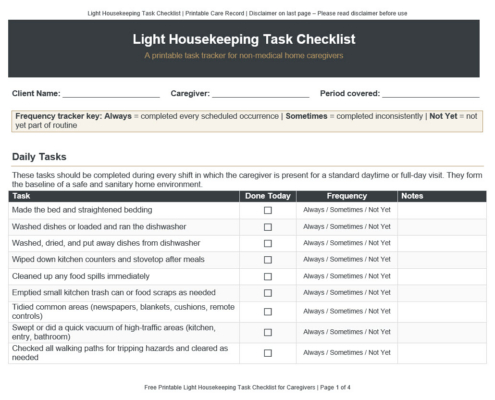 https://carehomecare.com/wp-content/uploads/2026/05/Light-Housekeeping-Checklist-for-Home-Caregivers-1.jpg
832
1080
Moti Gamburd
https://a81019caredemo.wpengine.com/wp-content/uploads/2019/08/CARE-Homecare-Logo-wht.png
Moti Gamburd2026-05-13 11:11:172026-05-14 02:13:21Light Housekeeping Checklist for Home Caregivers | Free Printable PDF
https://carehomecare.com/wp-content/uploads/2026/05/Light-Housekeeping-Checklist-for-Home-Caregivers-1.jpg
832
1080
Moti Gamburd
https://a81019caredemo.wpengine.com/wp-content/uploads/2019/08/CARE-Homecare-Logo-wht.png
Moti Gamburd2026-05-13 11:11:172026-05-14 02:13:21Light Housekeeping Checklist for Home Caregivers | Free Printable PDF https://carehomecare.com/wp-content/uploads/2026/05/Home-Safety-Checklist-for-Seniors-Free-Printable-Room-by-Room-Guide-PDF-Download.jpg
804
1042
Moti Gamburd
https://a81019caredemo.wpengine.com/wp-content/uploads/2019/08/CARE-Homecare-Logo-wht.png
Moti Gamburd2026-05-12 01:27:302026-05-13 02:09:16Home Safety Checklist for Seniors | Room by Room (Free Printable PDF)
https://carehomecare.com/wp-content/uploads/2026/05/Home-Safety-Checklist-for-Seniors-Free-Printable-Room-by-Room-Guide-PDF-Download.jpg
804
1042
Moti Gamburd
https://a81019caredemo.wpengine.com/wp-content/uploads/2019/08/CARE-Homecare-Logo-wht.png
Moti Gamburd2026-05-12 01:27:302026-05-13 02:09:16Home Safety Checklist for Seniors | Room by Room (Free Printable PDF) https://carehomecare.com/wp-content/uploads/2026/05/In-Home-Care-Agency-Checklist-Questions-to-Ask-Before-You-Hire.jpg
831
1078
Moti Gamburd
https://a81019caredemo.wpengine.com/wp-content/uploads/2019/08/CARE-Homecare-Logo-wht.png
Moti Gamburd2026-05-04 01:29:142026-05-13 02:07:13In-Home Care Agency Checklist | Questions to Ask Before You Hire
https://carehomecare.com/wp-content/uploads/2026/05/In-Home-Care-Agency-Checklist-Questions-to-Ask-Before-You-Hire.jpg
831
1078
Moti Gamburd
https://a81019caredemo.wpengine.com/wp-content/uploads/2019/08/CARE-Homecare-Logo-wht.png
Moti Gamburd2026-05-04 01:29:142026-05-13 02:07:13In-Home Care Agency Checklist | Questions to Ask Before You Hire https://carehomecare.com/wp-content/uploads/2026/05/Dementia-Daily-Caregiver-Checklist-Free-Printable-PDF-for-Home-Care.jpg
831
1078
Moti Gamburd
https://a81019caredemo.wpengine.com/wp-content/uploads/2019/08/CARE-Homecare-Logo-wht.png
Moti Gamburd2026-05-03 00:17:592026-05-13 02:09:49Dementia Daily Caregiver Checklist | Free Printable PDF for Home Care
https://carehomecare.com/wp-content/uploads/2026/05/Dementia-Daily-Caregiver-Checklist-Free-Printable-PDF-for-Home-Care.jpg
831
1078
Moti Gamburd
https://a81019caredemo.wpengine.com/wp-content/uploads/2019/08/CARE-Homecare-Logo-wht.png
Moti Gamburd2026-05-03 00:17:592026-05-13 02:09:49Dementia Daily Caregiver Checklist | Free Printable PDF for Home Care https://carehomecare.com/wp-content/uploads/2026/05/ADL-IADL-Checklist-for-Seniors-Free-Printable-Assessment-PDF-Download.jpg
795
1041
Moti Gamburd
https://a81019caredemo.wpengine.com/wp-content/uploads/2019/08/CARE-Homecare-Logo-wht.png
Moti Gamburd2026-05-01 17:41:202026-05-13 02:10:25ADL / IADL Checklist for Seniors - Free Printable Assessment (PDF Download)
https://carehomecare.com/wp-content/uploads/2026/05/ADL-IADL-Checklist-for-Seniors-Free-Printable-Assessment-PDF-Download.jpg
795
1041
Moti Gamburd
https://a81019caredemo.wpengine.com/wp-content/uploads/2019/08/CARE-Homecare-Logo-wht.png
Moti Gamburd2026-05-01 17:41:202026-05-13 02:10:25ADL / IADL Checklist for Seniors - Free Printable Assessment (PDF Download)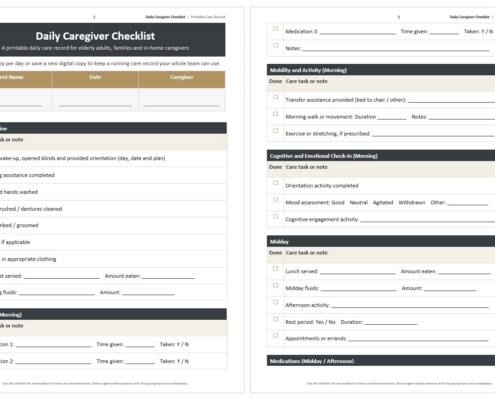 https://carehomecare.com/wp-content/uploads/2026/05/Free-Printable-Caregiver-Daily-Checklist-for-Elderly-PDF-Download.jpg
877
1352
Moti Gamburd
https://a81019caredemo.wpengine.com/wp-content/uploads/2019/08/CARE-Homecare-Logo-wht.png
Moti Gamburd2026-04-21 16:12:122026-05-14 02:01:30Free Printable Caregiver Daily Checklist for Elderly (PDF Download)
https://carehomecare.com/wp-content/uploads/2026/05/Free-Printable-Caregiver-Daily-Checklist-for-Elderly-PDF-Download.jpg
877
1352
Moti Gamburd
https://a81019caredemo.wpengine.com/wp-content/uploads/2019/08/CARE-Homecare-Logo-wht.png
Moti Gamburd2026-04-21 16:12:122026-05-14 02:01:30Free Printable Caregiver Daily Checklist for Elderly (PDF Download) https://carehomecare.com/wp-content/uploads/2026/03/24-7-vs-12-Hour-Shifts-for-Home-Care.jpg
1706
2553
Mendy Perlman
https://a81019caredemo.wpengine.com/wp-content/uploads/2019/08/CARE-Homecare-Logo-wht.png
Mendy Perlman2026-03-14 03:46:542026-03-15 03:52:2924/7 vs 12-Hour Shifts for Home Care - Coverage Models to Compare
https://carehomecare.com/wp-content/uploads/2026/03/24-7-vs-12-Hour-Shifts-for-Home-Care.jpg
1706
2553
Mendy Perlman
https://a81019caredemo.wpengine.com/wp-content/uploads/2019/08/CARE-Homecare-Logo-wht.png
Mendy Perlman2026-03-14 03:46:542026-03-15 03:52:2924/7 vs 12-Hour Shifts for Home Care - Coverage Models to Compare
